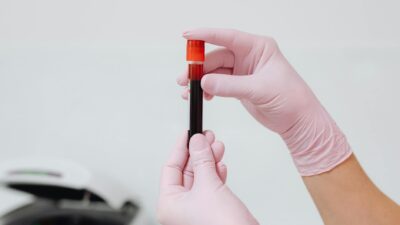
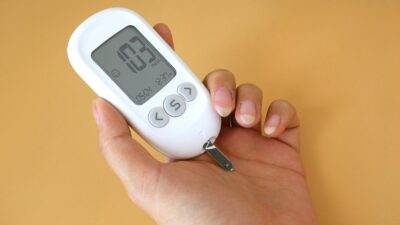
An A1C meter is a portable, FDA-cleared device that measures your hemoglobin A1C — the 3-month average of your blood sugar — from a single drop of fingertip blood in 5-10 minutes. NGSP-certified meters are accurate within about 0.5 percentage points of lab values and are most useful for tracking trends between doctor visits, not for formal diagnosis.
How an A1C Meter Works
A1C meters use a disposable cartridge that contains reagents which bind to glycated hemoglobin in your blood sample. The device then reads the color or immunoassay signal and displays a percentage. Chemistry differs between brands — boronate-affinity, immunoassay, and ion-exchange are all used — but the output is standardized to the NGSP reference method, which ties consumer meters back to the landmark DCCT trial.
Results appear as a percentage (for example, 5.8%) reflecting the share of hemoglobin molecules with glucose permanently attached. Since red blood cells live about 120 days, that percentage averages your glucose exposure over the past 2-3 months. See our full guide to A1C levels for interpretation.
Accuracy Compared to Lab Tests
The FDA requires A1C meters to be accurate within defined tolerances, and NGSP-certified models meet the same reference standards used in clinical labs. In practice:
- FDA-cleared NGSP meters: within about ±0.5 percentage points of lab A1C in 95% of samples
- Uncertified consumer devices: variability up to ±1.5% — avoid these
- Lab high-performance liquid chromatography (HPLC): the gold standard, typically ±0.2%
User technique is the biggest driver of accuracy. Too little blood, expired cartridges, or storing the kit in a hot car can skew results by more than the instrument’s inherent variability.
How to Use an A1C Meter
The general procedure:
- Wash hands with warm water and dry thoroughly — residue can dilute or contaminate the sample.
- Insert the test cartridge into the meter and let it calibrate (usually a few seconds).
- Use the included lancet to prick the side of your fingertip.
- Squeeze gently to form a hanging drop of blood matching the required sample volume (typically 5 μL).
- Transfer the sample to the cartridge strip or capillary tube and insert per the device’s instructions.
- Wait 5-10 minutes for the result.
Always follow the manufacturer’s insert exactly. Re-run if the sample was insufficient — retesting now is cheaper than a misleading trend.
When to Use a Meter vs a Lab Test
| Scenario | Best option |
|---|---|
| Initial diagnosis of prediabetes or diabetes | NGSP-certified lab test |
| Confirming a suspected abnormal result | NGSP-certified lab test |
| Tracking trends after a lifestyle change | FDA-cleared home meter every 3 months |
| Frequent day-to-day monitoring | CGM or glucose meter (not A1C meter) |
| Research or clinical studies | HPLC lab assay |
Cost and Availability
Most consumer A1C meters are sold as two-test kits for $30-$80. Additional cartridges cost roughly $15-$25 each. FSA and HSA funds generally cover these purchases. Some insurance plans cover home A1C monitoring for patients with diagnosed diabetes — a letter of medical necessity from your doctor may be required.
Interpreting Your Result
A1C categories from the ADA:
- Normal: below 5.7%
- Prediabetes: 5.7%-6.4%
- Diabetes: 6.5% or higher
If your home meter shows 5.7% or above, schedule a lab A1C. A confirmatory test at an NGSP-certified lab is the ADA-recommended next step before any formal diagnosis or treatment. Pair rising A1C with lifestyle action — our treatment hub outlines evidence-based options.
Limitations and Sources of Error
Home A1C meters share limitations with lab tests plus a few of their own:
- Hemoglobin variants: sickle cell trait, thalassemia, and other hemoglobinopathies interfere with many A1C methods.
- Anemia or recent blood loss: shortened red cell lifespan falsely lowers A1C.
- Temperature and humidity: store cartridges as specified; extreme heat degrades reagents.
- Operator technique: sample volume, timing, and contamination all matter.
The Bottom Line
A home A1C meter is a legitimate tool for tracking your prediabetes trajectory between clinical visits — if you choose an FDA-cleared, NGSP-certified model and follow the instructions carefully. Use it for trends, not diagnosis, and confirm any result at or above 5.7% with a lab test and a conversation with your doctor.