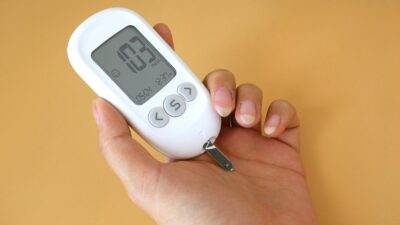
Home A1C test kits estimate your average blood sugar over the past 2-3 months from a finger-prick sample. FDA-cleared, NGSP-certified kits are accurate within about 0.5 percentage points of lab values, cost $20-$80, and come in two formats: instant point-of-care analyzers and mail-in dried-blood-spot tests. They are best for tracking trends — not diagnosing — prediabetes.
What a Home A1C Kit Measures
The A1C test measures the percentage of your hemoglobin molecules that have glucose permanently attached. Because red blood cells live about 120 days, the percentage reflects your average blood sugar over the previous 2-3 months. ADA thresholds are: normal below 5.7%, prediabetes 5.7%-6.4%, and diabetes at 6.5% or higher. For a broader overview, see our guide to A1C levels.
Two Types of Home Kits
Point-of-Care Kits
These include a handheld analyzer and single-use cartridges. The best-known example is the PTS Diagnostics A1CNow+, which gives a result in about 5 minutes. Point-of-care kits work offline, provide instant feedback, and cost $20-$50 per two-test pack.
Mail-in Kits
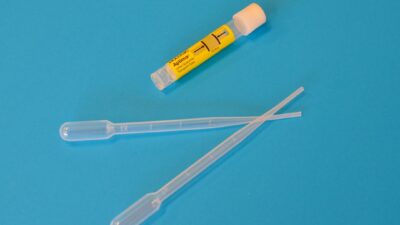
Mail-in kits use a dried blood spot collected on filter paper. You mail the sample to a CLIA-certified lab, and results return by email or app within 5-7 days. Accuracy is typically slightly higher than point-of-care, and pricing runs $50-$80 per test. Most mail-in providers include lab-grade reporting.
How Accurate Are They?
FDA-cleared, NGSP-certified kits must meet national reference standards tied to the DCCT trial. In practice:
- NGSP-certified point-of-care: within about ±0.5% of lab values in 95% of tests
- Mail-in CLIA-lab kits: within about ±0.3%-0.4% of lab values
- Uncertified consumer kits (avoid): variability up to ±1.5%
Always check the box for FDA 510(k) clearance and NGSP certification markings before purchasing.
How to Use a Home A1C Kit
- Wash your hands with warm water and dry completely — residue can dilute the sample.
- Follow the kit instructions to activate the cartridge or prepare the collection card.
- Use the included lancet to prick the side of your fingertip.
- Collect the required blood volume; point-of-care kits usually need about 5 μL, while mail-in cards need 2-3 fully saturated spots.
- Insert the cartridge or mail the card per instructions.
- Record the result and note the date for trend tracking.
Point-of-Care vs Mail-in vs Lab
| Option | Turnaround | Accuracy | Typical cost |
|---|---|---|---|
| Point-of-care home kit | 5-10 minutes | ±0.5% | $20-$50 |
| Mail-in dried blood spot | 5-7 days | ±0.3-0.4% | $50-$80 |
| Doctor’s office lab A1C | 1-3 days | ±0.2-0.3% | $0-$50 (often covered) |
| HPLC research-grade | Varies | ±0.1-0.2% | Not consumer-facing |
Who Home Kits Are Best For
- Adults already diagnosed with prediabetes tracking progress between appointments
- People without easy access to a primary care physician
- Caregivers monitoring a family member’s control
- Employees in wellness programs that offer kits as a benefit
Home kits are not ideal for first-time diagnosis, pregnancy-related glucose monitoring, or patients with hemoglobin variants such as sickle cell trait, where many A1C assays give inaccurate results.
What to Do with Your Result
If your result is below 5.7%, continue your current routine and retest in 3-6 months. If 5.7%-6.4%, confirm at a lab and review lifestyle and metformin options with your doctor. If 6.5% or higher, book a clinical visit promptly. Evidence from the Diabetes Prevention Program shows that losing 5%-7% of body weight and 150 minutes of weekly activity can cut progression to type 2 diabetes by up to 58% — see our treatment hub for details.
Limitations to Know
- Hemoglobin variants and anemia can skew results on all A1C methods.
- Cartridges and collection cards are temperature-sensitive; store per manufacturer instructions.
- Insufficient blood volume is the single most common source of error.
- Home kits do not replace the ADA-required lab A1C for diagnosis.
The Bottom Line
Home A1C test kits are a convenient, FSA/HSA-eligible way to track your 3-month blood sugar trend without visiting a clinic. Choose an FDA-cleared, NGSP-certified kit, follow the directions exactly, and confirm any elevated result with a lab test. They complement — but do not replace — your doctor’s evaluation.