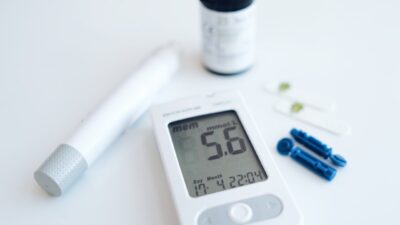
A blood sugar reading of 140 mg/dL signals different things depending on when it was taken. Fasting, it is squarely in the diabetes range and demands follow-up. Two hours after a meal, it sits exactly at the threshold where normal becomes impaired glucose tolerance. As a random reading, it is borderline. The estimated A1C for a sustained 140 mg/dL average is 6.5 percent — the diabetes diagnostic cutoff. This guide walks through what 140 mg/dL means by context, accuracy limits, equivalent metrics, and reasonable next steps.
What 140 mg/dL Means in Each Context
| Measurement Type | Normal Range | 140 mg/dL Interpretation |
|---|---|---|
| Fasting (8+ hours no food) | Under 100 mg/dL | Diabetes range — needs confirmation |
| 2 hours post-meal | Under 140 mg/dL | Right at impaired glucose tolerance threshold |
| 1 hour post-meal | Under 180 mg/dL (rough target) | Within normal post-meal peak |
| Random | Under 140 mg/dL typical | Borderline — context matters |
| OGTT 2-hour | Under 140 mg/dL = normal | 140 to 199 = impaired glucose tolerance |
Fasting 140 mg/dL: Diabetes Range
The American Diabetes Association sets the diabetes diagnostic threshold for fasting glucose at 126 mg/dL or higher. A fasting reading of 140 is 14 mg/dL above that cutoff and is presumptively diabetic. Diagnosis still requires confirmation — either a repeat fasting glucose on a different morning showing similarly elevated values, an A1C of 6.5 percent or higher, or an oral glucose tolerance test with a 2-hour value of 200 mg/dL or higher.
- Schedule a clinician visit within 2 to 4 weeks for confirmatory lab testing
- Request A1C in addition to a repeat fasting glucose
- Bring your home meter readings if you have several
- Note any symptoms — thirst, frequent urination, fatigue, blurred vision, unexplained weight changes
- Begin lifestyle basics now — diet improvements, daily walking, sleep — they help whether the diagnosis confirms or not
Post-Meal 140 mg/dL: The Threshold
A 2-hour post-meal reading of 140 mg/dL sits exactly at the line between normal and impaired glucose tolerance. The oral glucose tolerance test uses this number explicitly — a 75-gram glucose load followed by a 2-hour blood draw, with values under 140 considered normal, 140 to 199 impaired glucose tolerance, and 200 or higher diabetic. A single home-meter reading of 140 at 2 hours after a regular meal is not an OGTT, but it does suggest the metabolic system was working at its upper edge for that meal.
Context modifies this. A 140 reading 2 hours after a very high-carb dessert is different from 140 after a balanced lunch. Repeated 140 readings after typical meals warrant attention; one after a holiday feast is unremarkable.
Estimated A1C from 140 mg/dL
The conversion between average glucose and A1C is a useful approximation. A sustained 140 mg/dL average glucose maps to an estimated A1C of 6.5 percent — which is the diagnostic threshold for diabetes. In practice, glucose averages combine higher post-meal peaks with lower fasting values, so a fasting reading of 140 alone (where daily averages tend to run somewhat higher than fasting) often correlates with an A1C of 6.4 to 7.0 percent.
| Average Glucose (mg/dL) | Estimated A1C (%) |
|---|---|
| 114 | 5.7 |
| 126 | 6.0 |
| 140 | 6.5 |
| 154 | 7.0 |
| 169 | 7.5 |
| 183 | 8.0 |
Accuracy of Home Glucose Meters at 140 mg/dL
- FDA accuracy standard: within 15 percent of lab value for readings over 100 mg/dL
- A true 140 may read anywhere from about 119 to 161 on a home meter
- Strip storage matters — heat, humidity, and expiration reduce accuracy
- Wash and dry hands before testing — residual food sugar on fingers can produce falsely high readings
- Lab venous plasma glucose is the reference standard for diagnosis
- Continuous glucose monitors may read interstitial fluid 5 to 15 minutes behind blood and have their own accuracy ranges
When to Act on a 140 Reading
- If fasting — schedule a confirmatory clinician visit within 2 to 4 weeks
- If 2-hour post-meal once — note context, recheck after similar meals next week
- If 2-hour post-meal repeatedly — see a clinician for full glucose workup
- If random — track context, repeat at fasting state to establish baseline
- If you have diabetes — post-meal 140 is excellent control; fasting 140 is above most clinician targets (80 to 130)
- If symptoms accompany the reading (severe thirst, vision changes, rapid weight loss) — same-day clinician contact
Confirmatory Testing Options
| Test | What It Measures | Diabetes Cutoff |
|---|---|---|
| Fasting plasma glucose | Single fasted morning value | ≥ 126 mg/dL (2 occasions) |
| A1C | Average glucose over 3 months | ≥ 6.5% |
| OGTT (2-hour, 75g) | Glucose handling after standardized load | ≥ 200 mg/dL at 2 hours |
| Random glucose + symptoms | Anytime reading plus clinical signs | ≥ 200 mg/dL with symptoms |
Common Causes of a One-Off 140 Reading
- A recent meal — even hours earlier — with significant refined carbohydrate
- Acute illness, infection, or fever (stress hyperglycemia)
- Severe emotional stress or recent intense pain
- Steroid medications (prednisone is a notable cause)
- Poor sleep the night before — short sleep raises both fasting and postprandial glucose
- Dawn phenomenon — natural cortisol surge in early morning
- Caffeine plus carbohydrate intake
- Dehydration concentrating blood
Symptoms That May Accompany Glucose at 140
- Most people feel nothing — symptoms usually begin at 180 to 200 mg/dL
- Some experience mild thirst or post-meal fatigue at the 140 to 180 range
- Frequent urination begins around the renal threshold of 180 mg/dL
- Blurred vision may appear when glucose stays elevated for days to weeks
- Slow wound healing reflects sustained elevation rather than acute readings
Lifestyle Levers Worth Starting Immediately
- Reduce refined carbs (sugar, white bread, soda, sweetened drinks)
- Add fiber — vegetables, beans, whole grains, berries
- Walk 10 to 30 minutes after each meal — meaningful post-meal glucose reduction
- Aim for 5 to 10 percent weight loss if overweight
- Build muscle with 2 to 3 resistance sessions per week — muscle is the largest glucose-disposal tissue
- Sleep 7 to 9 hours consistently
- Reduce alcohol, especially sugary mixed drinks
- Address chronic stress if relevant
What Diagnosis Means If Confirmed
A confirmed diabetes diagnosis is not a sentence — it is a starting point for management. Many people with newly diagnosed type 2 diabetes return to normal A1C with sustained lifestyle change. Others benefit from medication such as metformin, GLP-1 receptor agonists, or SGLT2 inhibitors, often with significant glucose improvement in weeks. Modern diabetes care emphasizes individualized targets, complications prevention through blood pressure and lipid management, and quality of life — not just glucose numbers.
Related Reading
See our broader guides on detection of prediabetes, the lookup series including blood sugar 120 and blood sugar 90, and the A1C lookup series at A1C 7.1.
The Bottom Line
A blood sugar of 140 mg/dL is meaningful but ambiguous on its own. Fasting at 140 is in the diabetes range and requires confirmation with A1C or a repeat lab test. Two-hour post-meal 140 sits at the impaired glucose tolerance threshold and is worth tracking. Random 140 is borderline. The estimated A1C if 140 were sustained as a daily average is 6.5 percent — the diabetes diagnostic cutoff. Confirmation, not a single reading, drives any diagnosis. Lifestyle changes — diet, activity, sleep, weight — can move many people back toward normal glucose, often in conjunction with medication if diabetes is confirmed.