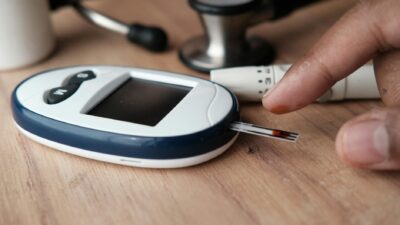
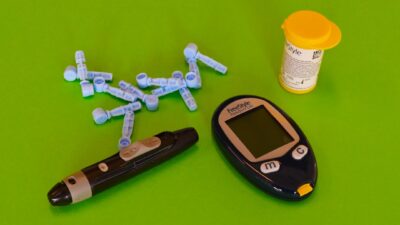
Blood sugar of 220 mg/dL is hyperglycemia warranting action. It is well above the renal threshold, well above any reasonable target for adults with diabetes, and a level at which type 1 diabetics should check ketones to rule out developing diabetic ketoacidosis. For type 2 diabetes, a persistent 220 usually prompts a treatment review.
What 220 mg/dL Means by Context
| Context | Category at 220 mg/dL | Concern Level |
|---|---|---|
| Fasting | Significantly elevated diabetic range | High |
| 1 hour after meal | Elevated | Moderate to high |
| 2 hours after meal | Well above diabetic threshold | High |
| Random | Diabetes-range; likely symptomatic | High |
| Random plus symptoms | Diagnostic of diabetes | High |
Why 220 Is Important
- Above renal threshold: kidneys spilling glucose, pulling water with it; dehydration begins
- Risk of ketones in type 1: insufficient insulin can let fat metabolism produce acid
- Likely symptomatic: thirst, frequent urination, fatigue, blurred vision
- Likely above A1C target: sustained 220 means A1C in the 9 to 10 percent range
- Contributes to chronic complication risk — eyes, kidneys, nerves, cardiovascular
Equivalent A1C If Sustained
| Average glucose (mg/dL) | Estimated A1C (%) | Category |
|---|---|---|
| 200 | 8.6 | Diabetes (poorly controlled) |
| 220 | 9.3 | Diabetes (significantly elevated) |
| 240 | 10.0 | Diabetes (very elevated) |
| 269 | 11.0 | Diabetes (urgent intensification) |
Likely Drivers
- Undiagnosed or undertreated diabetes
- Missed insulin or oral medication dose — most common in known diabetes
- Insulin pump malfunction or infusion site failure in type 1
- Acute illness, infection, or injury — counter-regulatory hormones push glucose up
- Corticosteroids
- Large carbohydrate intake
- Pregnancy with gestational or pre-existing diabetes
Type 1 Ketone Check Protocol
- At 220 mg/dL, check urine or blood ketones if unexplained
- Negative or trace ketones: usual correction; recheck in 1 to 2 hours
- Small ketones: extra hydration; correction insulin; recheck
- Moderate or large ketones: contact care team or seek urgent care
- Ketones plus vomiting, deep rapid breathing, or confusion: emergency department
Action by Status
| Situation | Recommended Action |
|---|---|
| No diabetes diagnosis | Same-day or next-day medical contact; A1C, urine, full panel |
| Type 2 on lifestyle alone | Doctor visit this week; medication likely warranted |
| Type 2 on metformin | Treatment intensification — add agent or change regimen |
| Type 1, no ketones | Correction insulin per plan; recheck in 2 hours |
| Type 1, ketones moderate or large | Sick day rules; contact care team or urgent care |
| Pregnancy | Same-day OB contact |
Sick Day Rules (Type 1 and Insulin-Treated Type 2)
- Do not skip insulin even if not eating
- Check glucose every 2 to 4 hours
- Check ketones every 4 hours when glucose exceeds 240 mg/dL
- Sip water or sugar-free fluids — 8 oz per hour
- Carbohydrate intake matched to insulin if able to eat
- Contact care team for persistent vomiting, ketones not clearing, or rising glucose
Practical Response
- Drink 16 to 24 oz of water
- Check ketones if type 1
- Take correction insulin if on a plan that includes it
- Walk 15 to 20 minutes if you feel well and ketones are absent
- Skip carbs for several hours
- Recheck in 1 to 2 hours
- Contact your doctor if unexplained, rising, or symptomatic
Emergency Thresholds
Blood sugar of 220 alone is not an ER visit. Go to emergency if any of:
- Nausea, vomiting, abdominal pain
- Deep, rapid breathing or fruity breath
- Confusion, drowsiness, difficulty waking
- Moderate or large ketones in type 1
- Severe dehydration
- Glucose climbing past 300 mg/dL despite correction
Adjacent Values
- 200 mg/dL: diagnostic threshold; renal spillover
- 220 mg/dL: hyperglycemia; type 1 ketone check
- 250 mg/dL: significant hyperglycemia; mandatory ketone check
- 280 mg/dL: severe hyperglycemia
Related Reading
See complications and related conditions, treatment, and adjacent lookups blood sugar 200 and blood sugar 250. The matching A1C is A1C 9.0.
The Bottom Line
Blood sugar of 220 mg/dL is hyperglycemia warranting action. Type 1 diabetics should check ketones. Type 2 diabetics should review their plan with a clinician — persistent readings at this level usually mean treatment is not strong enough. Drink water, walk if well, avoid more carbs, and recheck. Contact your doctor if this is new, unexplained, or accompanied by symptoms.