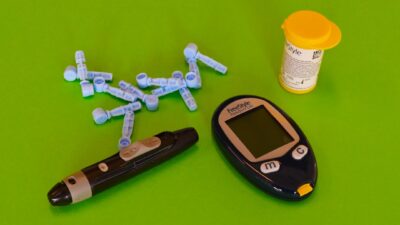
A blood sugar reading of 60 mg/dL is hypoglycemia by American Diabetes Association criteria — any value below 70 mg/dL meets the threshold. At 60 mg/dL most people experience symptoms such as sweating, shakiness, hunger, fast heartbeat, and difficulty concentrating, though some lack these warning signs. The reading warrants prompt treatment using the Rule of 15 and a review of what triggered it to prevent recurrence.
What 60 mg/dL Means by Context
| Context | Category at 60 mg/dL | Action |
|---|---|---|
| Fasting or before meals | Hypoglycemia (ADA level 1) | Treat with 15g fast carb; recheck 15 min |
| After insulin or sulfonylurea dose | Hypoglycemia, possibly still falling | Treat and monitor closely for next 30-60 min |
| After exercise | Exercise-induced hypoglycemia | Treat and consider a snack before next activity |
| Random / with symptoms | Hypoglycemia — symptomatic | Treat immediately |
| With confusion, slurred speech | Approaching severe hypoglycemia | Treat fast; if cannot swallow, give glucagon |
The Hypoglycemia Thresholds
- Below 70 mg/dL: Level 1 hypoglycemia — treat with fast carb
- Below 54 mg/dL: Level 2 (clinically significant or severe) hypoglycemia — treat urgently; consider glucagon if symptoms severe
- Level 3 (severe): any hypoglycemia with altered mental status requiring assistance from another person
- Below 40 mg/dL: risk of seizure or loss of consciousness
The Rule of 15 Protocol
| Step | Action | Notes |
|---|---|---|
| 1 | Eat 15g fast-acting carb | Glucose tabs preferred for predictability |
| 2 | Wait 15 minutes | Do not eat more during the wait |
| 3 | Recheck blood sugar | Use a meter, not a CGM (CGM has lag) |
| 4 | If still below 70, repeat step 1 | Keep repeating until above 70 |
| 5 | Once above 70, eat a small snack if next meal is more than 1 hour away | Include protein for sustained release |
15-Gram Fast-Acting Carb Examples
- 4 oz (half cup) regular juice or non-diet soda
- 4 commercial glucose tablets (3.75 to 4 g each)
- 1 tablespoon honey, syrup, or table sugar
- 5 to 6 hard candies (check label)
- 1 tube of cake icing or glucose gel
Avoid foods with fat, fiber, or protein for the initial treatment — chocolate, ice cream, peanut butter, and milk slow glucose absorption.
Common Triggers for a 60 mg/dL Reading
- Insulin overdose or stacking — too much rapid-acting insulin, or repeat correction doses too close together
- Sulfonylurea or meglitinide use (glipizide, glyburide, repaglinide) — long duration of action increases hypo risk
- Missed or delayed meal after insulin dose
- Increased physical activity without adjusting insulin or carb intake
- Alcohol intake, especially on an empty stomach (suppresses liver glucose output for 8 to 12 hours)
- Weight loss or improved insulin sensitivity without adjusting medication doses
- Renal impairment — slower clearance of insulin and sulfonylureas
When to Use Glucagon Instead of Oral Carbs
Glucagon raises glucose by triggering the liver to release stored glucose. Use it when the person:
- Cannot swallow safely
- Is unconscious or having a seizure
- Is too confused to take oral carbs reliably
Forms include nasal Baqsimi (one-step intranasal dose), Gvoke (pre-filled subcutaneous injection or auto-injector), and the older glucagon emergency kit (reconstitution required). After glucagon, call emergency services and place the person on their side. Once awake and able to swallow, give a long-acting carb plus protein.
Hypoglycemia Unawareness
Some people stop feeling symptoms at 60 mg/dL or even lower. Risk factors include long diabetes duration, recurrent prior lows, autonomic neuropathy, beta-blocker use, and tight control. People with hypoglycemia unawareness benefit from CGM with low-glucose alarms, slightly higher A1C targets, and structured education programs. See our companion guide on diabetes complications for related coverage.
When to Escalate
- Reading below 54 mg/dL with severe symptoms — consider glucagon if oral treatment slow to work
- Loss of consciousness, seizure, or inability to swallow — glucagon immediately, call emergency services
- Repeated lows over multiple days — call your doctor for medication review
- Persistent symptoms despite recheck above 70 — confirm with a second meter test
Adjacent Values
- 54 mg/dL: threshold for level 2 severe hypoglycemia
- 60 mg/dL: clearly hypoglycemic — treat with Rule of 15
- 70 mg/dL: ADA threshold — see blood sugar 70
- 80 mg/dL: normal but low — see blood sugar 80
Related Reading
See our broader guides on detection of prediabetes and diabetes treatment.
The Bottom Line
A blood sugar of 60 mg/dL is hypoglycemia and warrants prompt treatment with the Rule of 15 — 15 grams of fast-acting carbohydrate, wait 15 minutes, recheck, repeat if still below 70. Insulin and sulfonylurea users are at the highest risk; common triggers include missed meals, increased activity, and alcohol. If a person becomes unable to swallow safely, use glucagon and call emergency services. Repeated readings at this level warrant a medication review with your doctor.