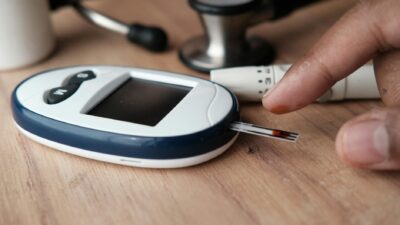
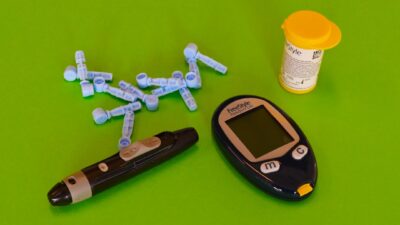
Blood sugar of 250 mg/dL is significant hyperglycemia. At this level, ketone testing is mandatory in type 1 diabetes, sick day rules apply for anyone using insulin, and a treatment review is usually warranted for type 2 diabetes. The window between manageable hyperglycemia and developing diabetic ketoacidosis becomes narrower.
What 250 mg/dL Means by Context
| Context | Category at 250 mg/dL | Concern Level |
|---|---|---|
| Fasting | Severely elevated diabetic range | High |
| Post-meal | Severely elevated | High |
| Random | Likely symptomatic; treatment urgency | High |
| Type 1 with ketones | DKA pathway possible | Urgent |
| Type 2 elderly with dehydration | HHS risk emerging | Urgent |
Why 250 Is a Watershed Number
- Mandatory ketone check in type 1: ADA recommends checking ketones whenever glucose exceeds 240 mg/dL
- Sick day rules activate: more frequent checks, no skipping insulin, fluids
- Dehydration accelerates: kidneys excreting large amounts of glucose and water
- Symptoms typically present: thirst, frequent urination, fatigue, blurred vision
- Treatment intensification likely: readings at this level rarely improve without action
Equivalent A1C If Sustained
| Average glucose (mg/dL) | Estimated A1C (%) | Category |
|---|---|---|
| 220 | 9.3 | Diabetes (significantly elevated) |
| 250 | 10.3 | Diabetes (severely elevated) |
| 280 | 11.4 | Diabetes (very poor control) |
| 300 | 12.1 | Diabetes (urgent intervention) |
Sick Day Rules at 250 mg/dL
- Do not skip insulin — even if not eating, basal insulin is needed
- Check glucose every 2 to 4 hours
- Check ketones every 4 hours while glucose remains above 240 mg/dL
- Drink 8 oz of fluid every hour — water or sugar-free
- If able to eat, match carb intake to insulin
- Use correction insulin per your plan
- Contact care team if vomiting, ketones moderate or large, glucose not coming down, or symptoms developing
Action by Status
| Situation | Recommended Action |
|---|---|
| No diabetes diagnosis; reading 250 | Urgent care or ER same day; A1C, urine, full evaluation |
| Type 1, no ketones | Correction insulin; hydrate; recheck in 1 to 2 hours |
| Type 1, ketones small | Extra hydration; correction; recheck; contact team if not clearing |
| Type 1, ketones moderate or large | Contact care team or urgent care |
| Type 2 on oral agents | Doctor contact within 24 hours; treatment review |
| Type 2 on insulin | Correction insulin per plan; recheck |
| Pregnancy | Same-day OB contact |
Diabetic Ketoacidosis (DKA) Warning Signs
DKA is the medical emergency to watch for at this level. Seek emergency care if any of:
- Nausea or vomiting
- Abdominal pain
- Deep, rapid breathing (Kussmaul breathing)
- Fruity or acetone-like breath
- Confusion, drowsiness, or difficulty staying awake
- Severe dehydration — dizzy on standing, dry mucous membranes
- Moderate or large ketones not clearing with correction
Hyperosmolar Hyperglycemic State (HHS) — Type 2 Variant
In type 2 diabetes, especially older adults, severe hyperglycemia without ketones can produce HHS:
- Glucose typically much higher — often 600 mg/dL or more — but starts climbing here
- Severe dehydration
- Altered mental status, confusion, or coma
- Often triggered by infection, missed dialysis, or other illness
- Treatment is hospital-based with fluids and insulin
Practical Response
- Drink 16 to 24 oz of water now
- Type 1: check ketones immediately
- Take correction insulin if on a plan
- Walk only if you feel well and ketones are absent — exercise with ketones can worsen the situation
- Avoid more carbs
- Recheck in 1 to 2 hours
- Contact your doctor or care team — same day if unexplained
Adjacent Values
- 220 mg/dL: hyperglycemia; ketone check in type 1
- 250 mg/dL: significant hyperglycemia; mandatory ketone test
- 280 mg/dL: severe hyperglycemia; DKA risk
- 300 mg/dL: emergency consideration depending on symptoms
Related Reading
See complications and related conditions, treatment, and adjacent lookups blood sugar 220 and blood sugar 280. The matching A1C page is A1C 10.
The Bottom Line
Blood sugar of 250 mg/dL is significant hyperglycemia. Type 1 diabetics must check ketones. Sick day rules apply for anyone insulin-treated. Hydrate, recheck, and use correction insulin if prescribed. Watch for nausea, vomiting, deep rapid breathing, or confusion — seek emergency care if any of these appear. Talk to your doctor about a treatment review if readings persist at this level.