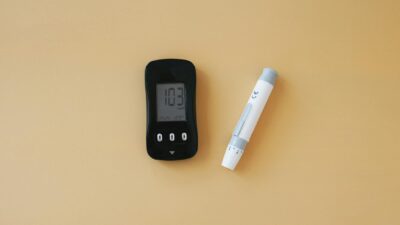
A fasting glucose of 108 mg/dL falls in the prediabetes range. The American Diabetes Association defines impaired fasting glucose as 100 to 125 mg/dL, normal as below 100 mg/dL, and diabetes as 126 mg/dL or higher confirmed on two separate days. A reading of 108 is a useful early warning that insulin resistance is starting, but a single result is not a diagnosis on its own.
What Counts as Fasting Glucose
Fasting glucose, also called fasting plasma glucose or FPG, is the amount of sugar in your blood after at least 8 hours without food or caloric drinks. Black coffee, plain tea, and water are allowed. The test is usually done in the morning before breakfast. A 108 mg/dL result means your body is producing enough insulin to keep glucose from rising into the diabetes range, but not quite enough to bring it back to a normal under-100 baseline overnight.
Where 108 Falls on the ADA Scale
| Fasting Glucose (mg/dL) | Category | What It Means |
|---|---|---|
| Below 100 | Normal | Healthy fasting baseline |
| 100-125 | Prediabetes (impaired fasting glucose) | Increased risk of type 2 diabetes |
| 126 or higher | Diabetes (confirm with second test) | Diagnostic threshold |
108 mg/dL is in the lower-middle portion of the prediabetes range, closer to normal than to diabetes. That is good news because the lower the number, the easier it is typically to bring it back under 100 with lifestyle changes.
Why Your Fasting Glucose May Be 108
Several factors push fasting glucose into the 100-125 range. Some are reversible, others reflect a longer-term metabolic shift:
- Insulin resistance, the most common cause. Visceral fat, sedentary behavior, and excess refined-carbohydrate intake reduce how well muscle and liver respond to insulin.
- The dawn phenomenon, a normal early-morning surge in cortisol and growth hormone that raises liver glucose output.
- Incomplete fasting. Even cream in coffee, mints, or chewing gum with sugar can elevate the result.
- Poor sleep. One short night can raise next-day fasting glucose by 10-15 mg/dL.
- Stress and illness. Cortisol and inflammatory cytokines raise hepatic glucose production.
- Medications such as corticosteroids, thiazide diuretics, beta-blockers, and atypical antipsychotics.
- Pregnancy, which can cause gestational diabetes detected on routine fasting tests.
What to Do Next: Confirm and Contextualize
One reading of 108 is not a diagnosis. The ADA recommends repeating the fasting test on a different day under proper conditions. Even better, ask your clinician for an A1C test, which reflects average blood glucose over 2-3 months and is not affected by overnight variability. The A1C cutoffs are 5.7-6.4 percent for prediabetes and 6.5 percent or higher for diabetes. For a deeper dive, see the A1C levels hub and the detection of prediabetes guide.
An oral glucose tolerance test (OGTT) using 75 g of glucose can also help. A 2-hour value of 140-199 mg/dL confirms prediabetes, and 200 mg/dL or higher confirms diabetes.
What Lowers a Fasting Glucose of 108
The landmark Diabetes Prevention Program showed that intensive lifestyle change reduced progression from prediabetes to type 2 diabetes by 58 percent over three years. The components were:
- 5-7 percent weight loss through diet and activity
- 150 minutes of moderate-intensity activity per week, such as brisk walking
- Lower-glycemic eating, with more fiber, protein, and healthy fats and fewer refined carbs and sugary drinks
- Improved sleep duration (7-9 hours per night) and consistent sleep timing
According to the CDC, these changes can return fasting glucose to normal in many adults within 3-6 months. The CDC’s National Diabetes Prevention Program offers free or low-cost group support across the US.
When Medication Enters the Picture
For most people with a fasting glucose of 108, lifestyle is the first-line treatment. Metformin is sometimes considered for higher-risk patients, including those with BMI 35 or higher, age under 60 with multiple risk factors, or a history of gestational diabetes. The decision is individualized; talk with your clinician.
How Often to Recheck
If your reading is in the prediabetes range, the ADA suggests rechecking fasting glucose and A1C every 1-3 years if stable, or sooner (every 3-6 months) if you are actively working to reverse the trend. A continuous glucose monitor can also be helpful for spotting patterns, though it is not a diagnostic tool.
The Bottom Line
A fasting glucose of 108 mg/dL is in the prediabetes range, not diabetes. It is a strong signal to confirm with a repeat test and an A1C, identify reversible contributors, and start the lifestyle changes that have been proven to lower fasting glucose and prevent progression. The earlier you act, the easier it usually is to return to a normal under-100 fasting baseline.
Medical disclaimer: This article is for educational purposes only and is not a substitute for professional medical advice, diagnosis, or treatment. Always consult your physician or qualified healthcare provider with any questions about a medical condition or medication.