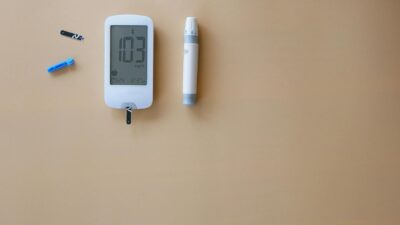
A “high glucose” result on a blood test means different things depending on which test was run. Fasting glucose, random glucose, oral glucose tolerance, and A1C each have their own cutoffs. A single elevated number rarely confirms a diagnosis on its own; clinicians look at the test type, your symptoms, and a confirmatory result before deciding what comes next.
What “High Glucose” Means by Test Type
| Test | Normal | Prediabetes / Impaired | Diabetes Range |
|---|---|---|---|
| Fasting plasma glucose | Below 100 mg/dL | 100 to 125 mg/dL | 126 mg/dL or higher |
| Random plasma glucose | Below 140 mg/dL | — | 200 mg/dL or higher with symptoms |
| 2-hour OGTT (75 g) | Below 140 mg/dL | 140 to 199 mg/dL | 200 mg/dL or higher |
| Hemoglobin A1C | Below 5.7% | 5.7% to 6.4% | 6.5% or higher |
For a deeper read on the A1C number specifically, see our A1C levels guide. For an overview of how each test is performed, the detection of prediabetes hub walks through the workflow.
Fasting Glucose: The Most Common “High” Result
A fasting plasma glucose is drawn after an 8 to 12 hour overnight fast. A value of 100 to 125 mg/dL is impaired fasting glucose — the laboratory definition of prediabetes. A value of 126 mg/dL or higher meets the diabetes threshold when confirmed on a second occasion.
One-off elevations can occur from incomplete fasting (a sip of juice, sugar in coffee), recent illness, severe stress, or sleep deprivation. Clinicians typically repeat a borderline fasting result before acting on it.
Random Glucose: A Snapshot Without Fasting
A random or non-fasting glucose can be drawn at any time. Numbers depend heavily on when and what you last ate. A value above 200 mg/dL combined with classic symptoms (excessive thirst, frequent urination, blurred vision, unexplained weight loss) meets diabetes criteria on its own. Without symptoms, the test is less informative and usually triggers a follow-up fasting glucose or A1C.
Oral Glucose Tolerance Test (OGTT)
The OGTT measures glucose two hours after you drink a 75 gram glucose solution. A 2-hour value of 140 to 199 mg/dL is impaired glucose tolerance (prediabetes); 200 mg/dL or higher meets diabetes criteria. The OGTT is more sensitive than fasting glucose for catching post-meal hyperglycemia, which is why it is the standard test for gestational diabetes screening.
A1C: Three Months of Glucose, Not One Day
The A1C measures the percentage of hemoglobin coated with glucose, reflecting roughly 3 months of average blood sugar. An A1C of 5.7 to 6.4 percent is prediabetes; 6.5 percent or higher is diabetes. Because A1C averages over months, a “high” A1C cannot be attributed to a single bad meal or stressful day.
Common Causes of Incidental High Glucose
If your glucose came back unexpectedly high and you have no diabetes risk factors, several reversible causes deserve consideration:
- Recent meal: Even small amounts of food or sweetened beverages within 8 hours of a “fasting” draw can raise the result.
- Acute illness or infection: Stress hormones during illness raise glucose, sometimes by 30 to 50 mg/dL.
- Surgery or trauma: Similar stress response.
- Steroid medications: Prednisone, dexamethasone, and others raise glucose for the duration of treatment.
- Other medications: Thiazide diuretics, atypical antipsychotics, beta blockers (less commonly), and some immunosuppressants.
- Severe psychological stress or pain.
- Sleep deprivation.
When to Call Your Clinician
Any of the following warrants prompt outreach:
- Fasting glucose 126 mg/dL or higher.
- Random glucose above 200 mg/dL with symptoms.
- A1C of 6.5 percent or higher.
- Symptoms of high blood sugar (thirst, frequent urination, blurred vision, fatigue, unexplained weight loss).
- Any glucose above 250 mg/dL with nausea, vomiting, abdominal pain, fruity breath, or confusion (possible diabetic ketoacidosis — seek same-day care).
What Your Clinician Will Likely Do
For a borderline or first-time elevation, expect a confirmatory test on a separate day. The American Diabetes Association recommends confirming an abnormal screening result with either a repeat of the same test or a different glycemic test. Your clinician may also review:
- Family history and personal risk factors.
- Recent illness, medications, or stress.
- Symptoms of prediabetes or diabetes.
- Whether to add an A1C, OGTT, or fasting insulin to the workup.
Steps You Can Take Before the Follow-Up
- Repeat the fast properly if a fasting glucose is being rerun — water only for 8 to 12 hours.
- Avoid alcohol the night before testing.
- Continue normal carbohydrate intake in the days before testing — restricting carbs can produce a falsely high OGTT.
- Document any acute illness, new medications, or steroid use to share at the visit.
The Bottom Line
A high glucose on a single test is information, not a diagnosis. Read it against the right cutoff for the test type, consider reversible causes such as illness or steroids, and confirm with a follow-up test ordered by your clinician. Most people with a borderline elevation are in the prediabetes range, where lifestyle changes and follow-up testing are the next steps.