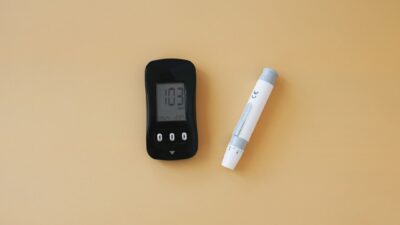
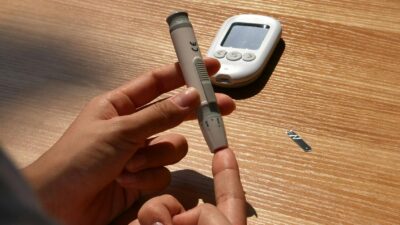
A normal non-fasting (random) glucose level is under 140 mg/dL. Values from 140 to 199 mg/dL suggest impaired glucose tolerance, and a reading of 200 mg/dL or higher with classic hyperglycemia symptoms meets ADA criteria for diabetes. Postprandial targets are tighter and time-specific: under 180 mg/dL at 1 hour and under 140 mg/dL at 2 hours after a meal in people without diabetes.
What Counts as Non-Fasting Glucose
“Non-fasting” simply means a blood glucose measurement taken at any time of day without an 8- to 12-hour fast. It includes random glucose tests done in a doctor’s office, fingerstick checks at home outside a fasted state, and continuous glucose monitor readings during normal eating. Postprandial glucose is a more specific subset of non-fasting glucose: a measurement taken at a known interval (usually 1 or 2 hours) after the start of a meal. Time matters for interpretation — a 200 mg/dL reading 30 minutes after a sugary beverage is very different from a 200 mg/dL reading 4 hours after eating nothing.
Random Glucose Cutoffs From the ADA
The American Diabetes Association Standards of Care define the following cutoffs for random (non-fasting) glucose in adults without known diabetes.
| Random Glucose | Interpretation | Suggested Next Step |
|---|---|---|
| Under 140 mg/dL | Normal | Routine screening per age and risk factors |
| 140 to 199 mg/dL | Possible impaired glucose tolerance | Confirm with fasting glucose, A1C, or 2-hour OGTT |
| 200 mg/dL or higher (with symptoms) | Meets diabetes criterion | Confirm and start treatment per ADA guidance |
| 200 mg/dL or higher (no symptoms) | Highly suggestive but not diagnostic | Repeat with a different test on a separate day |
Postprandial Targets
Postprandial glucose is what your level looks like during digestion. In people without diabetes, the body releases insulin in two phases that quickly bring glucose back toward baseline. The typical reference values are:
- 1-hour postprandial: under 180 mg/dL
- 2-hour postprandial: under 140 mg/dL
- 3-hour postprandial: back near fasting baseline (usually under 120 mg/dL)
For people with diagnosed diabetes, the ADA suggests a postprandial target of under 180 mg/dL at 1 to 2 hours after a meal, individualized by patient. Pregnancy targets are tighter — under 140 mg/dL at 1 hour and under 120 mg/dL at 2 hours — because tight glycemic control reduces fetal complications.
Why Fasting Glucose and A1C Are Preferred for Diagnosis
Non-fasting glucose varies a lot depending on what, when, and how much you ate. A diagnostic test ideally minimizes that noise. Fasting glucose (8 to 12 hour fast) and A1C (a 2- to 3-month average of blood glucose) both reduce day-to-day variability. According to the CDC, the standard diagnostic options are fasting plasma glucose 126 mg/dL or higher, A1C 6.5 percent or higher, or 2-hour OGTT 200 mg/dL or higher. A random glucose 200 mg/dL or higher with classic symptoms is also accepted but rarely used as the sole diagnostic basis. For more on test selection, see our A1C levels hub and the prediabetes overview.
When Non-Fasting Glucose Is Useful
Non-fasting glucose is the workhorse of routine clinical care because it does not require advance preparation. It is used in:
- Opportunistic screening: when a patient has not fasted but is in the office for another reason.
- Continuous glucose monitor data: CGMs report glucose around the clock, including non-fasting periods.
- Symptom evaluation: a non-fasting glucose during symptoms of suspected hypoglycemia or hyperglycemia.
- Postprandial monitoring in pregnancy or established diabetes: to guide insulin or oral medication adjustments.
Factors That Push Non-Fasting Glucose Up
Several factors beyond food intake can raise a single non-fasting reading without indicating diabetes:
- Acute illness or infection: stress hormones (cortisol, catecholamines) raise glucose.
- Medications: corticosteroids, certain antipsychotics, and some HIV medications.
- Dawn phenomenon: early-morning rise in glucose due to overnight hormone release.
- Recent intense exercise: can transiently raise glucose through glycogenolysis.
- Caffeine and stimulants: small but measurable effects in some people.
This is why the ADA recommends confirming any abnormal non-fasting glucose with a separate test before diagnosis.
How to Interpret a Non-Fasting Reading at Home
If you are using a home glucometer or CGM and see a value above 140 mg/dL, the first questions are: what did you eat, how long ago, and how do you feel? A 160 mg/dL reading 1 hour after a large pasta meal is within the expected postprandial range for many people. A 160 mg/dL reading 4 hours after a small protein meal is more concerning. Tracking patterns over a week tends to be more informative than reacting to single values. For diet-driven strategies that improve postprandial response, see our diet and nutrition hub.
The Bottom Line
Non-fasting glucose under 140 mg/dL is normal in adults without diabetes. Values from 140 to 199 mg/dL warrant follow-up with a fasting glucose, A1C, or OGTT, and a value of 200 mg/dL or higher with symptoms meets ADA diabetes criteria. Postprandial cutoffs are tighter and time-specific. Non-fasting glucose is excellent for screening and monitoring but is rarely used alone for diagnosis — confirm any abnormal value with a second test before drawing conclusions.
Medical disclaimer: This article is for informational purposes only and does not constitute medical advice. Always consult a qualified healthcare professional before starting, stopping, or changing any medication or treatment plan.