Nutritional ketosis typically starts 12 to 24 hours into a fast, when liver glycogen runs low and the liver begins producing ketones from fat. Beta-hydroxybutyrate (BHB) levels above 0.5 mmol/L mark the threshold. Deeper ketosis with BHB of 1.0 to 3.0 mmol/L develops over 48 to 72 hours of continued fasting. The exact timing depends on prior diet, glycogen stores, exercise, and individual metabolism.
What Ketosis Actually Is
Ketosis is a metabolic state in which the liver converts fatty acids into ketone bodies — primarily beta-hydroxybutyrate (BHB) and acetoacetate, with acetone as a volatile byproduct — to provide fuel for the brain and other tissues when glucose is scarce. The brain typically runs on glucose, but it can derive 60 to 70 percent of its energy from ketones during prolonged fasting or strict carbohydrate restriction. Nutritional ketosis is the mild, controlled form that occurs during fasting or a ketogenic diet. It is fundamentally different from diabetic ketoacidosis (DKA), which is an emergency state of uncontrolled lipolysis combined with insulin deficiency and high blood glucose.
The Hour-by-Hour Fasting Timeline
The classic Cahill physiology described how the body shifts fuel sources during fasting. Here is what happens at each phase, assuming a typical mixed-diet adult starting a fast.
| Time Into Fast | Primary Fuel Source | Approximate BHB | What Is Happening |
|---|---|---|---|
| 0 to 4 hours | Dietary glucose | Less than 0.1 mmol/L | Postprandial digestion and absorption |
| 4 to 12 hours | Liver glycogen | Less than 0.2 mmol/L | Glycogenolysis maintains glucose |
| 12 to 24 hours | Glycogen depleting; gluconeogenesis ramps | 0.2 to 0.5 mmol/L | Liver glycogen runs low; fat oxidation rises |
| 24 to 48 hours | Fat and ketones | 0.5 to 1.5 mmol/L | Nutritional ketosis established |
| 48 to 72 hours | Predominantly ketones and fatty acids | 1.0 to 3.0 mmol/L | Deeper ketosis; brain adapting to BHB |
| 3 to 14 days | Ketones (brain) and fat (muscle) | 2.0 to 6.0 mmol/L | Protein-sparing adaptation; plateau |
Why 12 to 24 Hours Is the Typical Onset
The average adult stores 80 to 120 grams of glycogen in the liver, which provides roughly 320 to 480 calories. At rest, the liver releases about 5 to 10 grams of glucose per hour to maintain blood sugar. That gives a typical glycogen runway of 8 to 16 hours after the last meal, depending on meal size, activity, and individual stores. Once liver glycogen drops below a critical threshold, gluconeogenesis (making glucose from amino acids and glycerol) and ketogenesis (making ketones from fatty acids) ramp up. Detectable nutritional ketosis usually appears between hours 12 and 24, peaking deeper into the fast.
What Speeds Up Ketosis Entry
- Low-carb or ketogenic diet beforehand: if you are already keto-adapted with depleted glycogen, you can re-enter ketosis within a few hours of fasting.
- Exercise: depletes muscle and liver glycogen, accelerating the shift to fat metabolism.
- Skipping the night-before carb load: a low-carb dinner shortens time to ketosis the next day.
- MCT oil or coconut oil: medium-chain triglycerides are converted to ketones rapidly in the liver and can transiently raise BHB.
- Smaller body size and lower lean mass: less total glycogen storage means earlier depletion.
What Slows Ketosis Entry
- Recent high-carb meals: carb-loaded glycogen stores extend the runway before ketosis.
- Lack of exercise: sedentary days preserve glycogen.
- Larger body size and high muscle mass: more total glycogen storage capacity.
- Insulin and certain medications: insulin suppresses ketogenesis directly.
- Stress and elevated cortisol: can promote gluconeogenesis and slow the ketotic shift.
Nutritional Ketosis vs. Diabetic Ketoacidosis
The terms are easy to confuse, but the conditions are very different. Nutritional ketosis maintains BHB roughly 0.5 to 5 mmol/L with normal blood glucose and pH. Diabetic ketoacidosis (DKA) is an emergency seen primarily in type 1 diabetes (and some advanced type 2 diabetes) in which insulin deficiency drives uncontrolled lipolysis, BHB rises above 3 mmol/L, blood glucose rises above 250 mg/dL (or stays normal in euglycemic DKA from SGLT2 inhibitors), and blood becomes acidotic. People with type 1 diabetes should avoid extended fasting without medical supervision. People taking SGLT2 inhibitors, insulin, or sulfonylureas should also discuss fasting with their prescriber. For broader context on metabolism and risk, see our prediabetes 101 hub and the complications guide.
How to Measure Whether You Are in Ketosis
Three measurement methods are common.
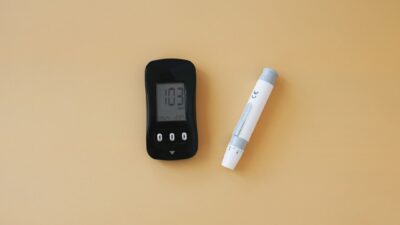
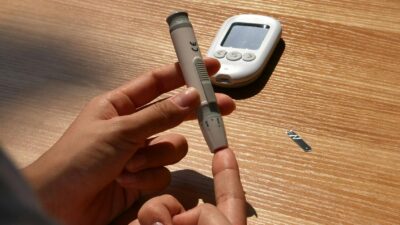
- Blood ketone meter (BHB): most accurate, measures the dominant ketone during fasting. Strips cost roughly 1 to 2 dollars each.
- Urine ketone strips: detect acetoacetate. Cheap and easy but can become falsely negative after a few days as the body shifts to BHB.
- Breath acetone meter: non-invasive and reusable; correlation with blood BHB is moderate.
According to the StatPearls physiology review, BHB rises predictably during prolonged fasting in healthy adults, with most reaching 1 mmol/L by 24 to 48 hours.
Practical Notes for Safe Fasting
Drink water consistently. Replace electrolytes (sodium, potassium, magnesium) during fasts longer than 24 hours, especially if you are active. Stop the fast and seek medical attention for symptoms such as severe dizziness, confusion, chest pain, or fruity breath combined with high glucose. People new to fasting often do better starting with shorter intermittent windows (16 hours) before attempting 24 to 72-hour fasts. For dietary patterns that support metabolic health without extended fasting, see our diet and nutrition hub.
The Bottom Line
Nutritional ketosis typically begins 12 to 24 hours into a fast, when liver glycogen depletes and the liver starts producing ketones from fat. Deeper ketosis with BHB above 1 mmol/L develops over 48 to 72 hours. Glycogen stores, prior diet, exercise, and individual metabolism all influence the timeline. Nutritional ketosis is generally safe in healthy adults but is not the same as diabetic ketoacidosis. Anyone with diabetes, on certain medications, or with other medical conditions should talk with a prescriber before extended fasting.
Medical disclaimer: This article is for informational purposes only and does not constitute medical advice. Always consult a qualified healthcare professional before starting, stopping, or changing any medication or treatment plan.