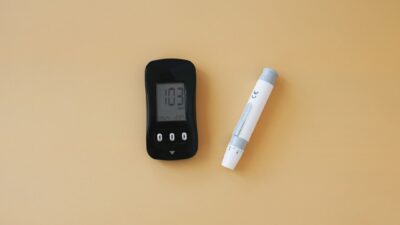
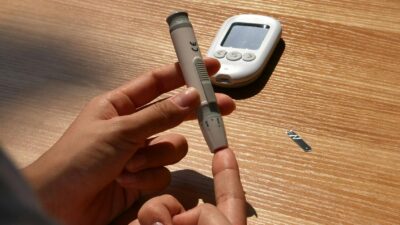
The 2-hour 75g oral glucose tolerance test (OGTT) is considered the gold standard for diagnosing prediabetes and type 2 diabetes in non-pregnant adults. You fast overnight, drink a 75-gram glucose solution, and have blood drawn at the 2-hour mark. ADA cutoffs are under 140 mg/dL normal, 140 to 199 mg/dL impaired glucose tolerance, and 200 mg/dL or higher diabetes.
What the OGTT Measures
The OGTT measures how well your body handles a controlled glucose load. After you drink the standardized 75-gram glucose solution, the pancreas releases insulin to move glucose into cells. In a person with normal glucose metabolism, blood glucose peaks within an hour and returns close to baseline by 2 hours. In a person with insulin resistance, the peak is higher and the return to baseline is delayed. The 2-hour value captures both how high the peak goes and how quickly it falls — information that fasting glucose alone does not provide.
How the Test Is Performed
The standard non-pregnant adult OGTT follows this sequence:
- Fast for 8 to 12 hours (water only, no food, no calorie-containing beverages).
- Arrive at the lab and have a fasting blood draw.
- Drink 75 grams of anhydrous glucose dissolved in 300 mL of water within 5 minutes.
- Sit quietly without eating, drinking calories, smoking, or exercising.
- Have blood drawn 2 hours after the start of the glucose drink.
Some clinicians add a 1-hour draw for additional information. In pregnancy, a different protocol is used (50g glucose challenge test, then 100g 3-hour or 75g 2-hour OGTT) — see our detection of prediabetes guide for context.
ADA Cutoffs and What They Mean
The American Diabetes Association Standards of Care define these 2-hour OGTT cutoffs in adults who are not pregnant.
| 2-Hour OGTT Result | Interpretation | What It Means |
|---|---|---|
| Under 140 mg/dL | Normal glucose tolerance | Standard rescreening per age and risk |
| 140 to 199 mg/dL | Impaired glucose tolerance (prediabetes) | Increased risk of progression to diabetes; lifestyle intervention recommended |
| 200 mg/dL or higher | Diabetes | Confirm with a second test; begin treatment plan |
The World Health Organization uses essentially the same cutoffs in its global definition of diabetes and intermediate hyperglycemia.
Why Low-Carb Diets Cause False Positives
This is one of the most common pitfalls. If you have been eating a low-carb or ketogenic diet for weeks before the OGTT, your insulin secretion machinery is downregulated and your tissues become less responsive to a sudden glucose load. The result is a physiologic, transient impairment that can push your 2-hour value into the prediabetic or diabetic range even though your usual metabolism is normal. The classic recommendation is to eat at least 150 grams of carbohydrate per day for the 3 days before the test. If you cannot or will not do that, mention it to your prescriber so the result can be interpreted accordingly or re-tested with adequate carbohydrate prep.
Other Things That Can Skew the Test
- Acute illness or infection: stress hormones raise glucose; reschedule if you are sick.
- Medications: corticosteroids, certain diuretics, beta-blockers, and some antipsychotics can elevate glucose. Check with your prescriber about whether to hold any of your medications.
- Recent intense exercise: can transiently affect glucose handling. Avoid heavy workouts the day before.
- Inadequate fasting: eating within 8 hours invalidates the fasting baseline.
- Vomiting the glucose drink: the test is invalid and must be repeated.
OGTT vs. Fasting Glucose vs. A1C
Each diagnostic test has trade-offs:
- Fasting plasma glucose: simple and cheap, but misses some people with normal fasting and abnormal post-meal glucose.
- A1C: reflects 2 to 3 month average glucose, no fasting required, but can be falsely affected by hemoglobinopathies, anemia, and recent blood loss or transfusion.
- 2-hour OGTT: most sensitive for impaired glucose tolerance, but takes 2 hours and requires careful preparation.
According to the CDC, any of the three can be used for diagnosis, with confirmation by repeat testing on a different day if the first result is abnormal and the patient is asymptomatic. For more on testing, see our A1C levels hub.
What to Do With Your Result
An impaired glucose tolerance result (140 to 199 mg/dL at 2 hours) is a clear signal to act. The Diabetes Prevention Program demonstrated that intensive lifestyle change — about 7 percent body weight loss and 150 minutes per week of moderate activity — reduces progression to type 2 diabetes by 58 percent over 3 years. Metformin reduced progression by 31 percent in the same trial. A diabetes-range OGTT result (200 mg/dL or higher) typically warrants confirmation followed by a structured treatment plan including lifestyle intervention and often medication. Our treatment hub outlines current options.
Practical Tips for the Test Day
- Bring a book or something to do; the wait between draws is the longest part.
- Wear short sleeves for easier blood draws.
- Drink the glucose solution slowly enough to avoid nausea but within the 5-minute window.
- Stay seated and resting between draws; walking or pacing changes glucose handling.
- Have a snack ready for after the final draw, especially if you tend toward reactive hypoglycemia.
The Bottom Line
The 2-hour 75g OGTT is the most sensitive test for prediabetes and type 2 diabetes outside of pregnancy. Cutoffs at 2 hours are under 140 mg/dL normal, 140 to 199 mg/dL impaired glucose tolerance, and 200 mg/dL or higher diabetes. Preparation matters — eat your normal carbohydrate intake (at least 150 grams per day) for 3 days, fast 8 to 12 hours overnight, and avoid acute illness, intense exercise, and certain medications. Talk with your prescriber about whether OGTT, fasting glucose, or A1C is the right test for you.
Medical disclaimer: This article is for informational purposes only and does not constitute medical advice. Always consult a qualified healthcare professional before starting, stopping, or changing any medication or treatment plan.