High glucose in blood, also called hyperglycemia, means a fasting reading above 100 mg/dL or a reading above 140 mg/dL two hours after eating. It can happen occasionally to anyone, but persistent highs damage blood vessels, nerves, and organs over time. Knowing the causes, warning signs, and when to call your doctor protects your long-term health.
What Counts as High Blood Glucose
Doctors classify blood sugar by when it is measured. The same number can be normal at one time of day and abnormal at another, so context matters.
| Time of Test | Normal | Prediabetes / Elevated | Diabetes Range |
|---|---|---|---|
| Fasting (8+ hours) | Below 100 mg/dL | 100-125 mg/dL | 126 mg/dL or higher |
| 2 hours after meal | Below 140 mg/dL | 140-199 mg/dL | 200 mg/dL or higher |
| Random check | Below 140 mg/dL | 140-199 mg/dL | 200+ mg/dL with symptoms |
| A1C (3-month avg) | Below 5.7% | 5.7-6.4% | 6.5% or higher |
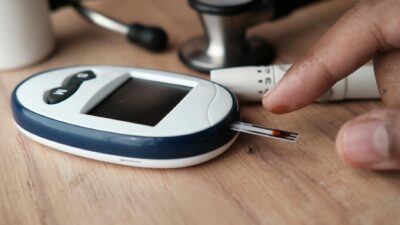
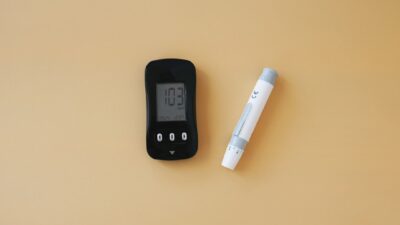
Learn more about the testing process on our guide to blood sugar monitors.
What Causes High Glucose in Blood
Hyperglycemia happens when there is not enough insulin available, when insulin is not working effectively (insulin resistance), or when the body releases extra glucose in response to stress hormones. Common triggers include:
- Eating more carbohydrates than usual, especially refined sugars, sweetened drinks, white bread, or large pasta portions
- Missing or under-dosing diabetes medication or insulin
- Illness or infection — colds, flu, urinary infections, and dental abscesses all raise glucose
- Emotional or physical stress, which releases cortisol and adrenaline
- Inactivity or extended sitting, which reduces insulin sensitivity
- Dehydration, which concentrates glucose in the blood
- Steroid medications, certain diuretics, and some antipsychotics
- Dawn phenomenon — a natural early-morning rise in glucose driven by hormones
- Poor sleep or shift work, which disrupts insulin sensitivity
Short-Term Symptoms of Hyperglycemia
Mild and moderate hyperglycemia (180-250 mg/dL) often produces noticeable but non-emergency symptoms:
- Excessive thirst (polydipsia)
- Frequent urination, including nighttime trips to the bathroom
- Fatigue or low energy
- Blurred vision
- Headache
- Dry mouth and skin
- Difficulty concentrating
- Slow-healing cuts
Many people with prediabetes have no symptoms at all even when fasting glucose is elevated, which is why screening matters. Visit our prediabetes 101 hub for screening guidance.
Long-Term Dangers of Sustained High Glucose
Glucose above target for months or years damages small and large blood vessels. According to the CDC, sustained hyperglycemia raises the risk of:
- Cardiovascular disease — heart attack and stroke risk doubles or triples
- Diabetic neuropathy — nerve damage in feet, hands, and digestive tract
- Retinopathy — damage to retinal blood vessels that can cause blindness
- Nephropathy — kidney damage that may progress to dialysis
- Slow wound healing and increased risk of foot ulcers and amputations
- Cognitive decline and higher dementia risk
- Frequent infections, especially urinary, skin, and gum infections
Diabetic Ketoacidosis: The Most Dangerous Outcome
Diabetic ketoacidosis (DKA) is a life-threatening complication that occurs when the body cannot use glucose for fuel and starts breaking down fat rapidly, producing acidic ketones. DKA most often affects people with type 1 diabetes but can occur in type 2 during severe illness.
DKA Warning Signs — Call 911 or Go to the ER
- Blood glucose above 240 mg/dL with moderate or large urine or blood ketones
- Fruity or acetone-smelling breath
- Deep, rapid breathing (Kussmaul respiration)
- Nausea, vomiting, abdominal pain
- Severe dehydration, dry mouth
- Confusion, drowsiness, or loss of consciousness
- Flushed, dry skin
Anyone on insulin should keep urine ketone strips at home and check whenever glucose exceeds 240 mg/dL or during illness.
When to Call Your Doctor
Use the chart below as a general guide, but always follow your individualized care plan.
| Reading / Situation | Action |
|---|---|
| 180-240 mg/dL after meals occasionally | Note pattern; review with your provider at next visit |
| 180-240 mg/dL persistently for 2+ weeks | Schedule an appointment to adjust your plan |
| 240+ mg/dL with no ketones | Hydrate, walk, recheck in 1 hour; call provider if not falling |
| 240+ mg/dL with ketones | Call your provider promptly; follow sick-day rules |
| 300+ mg/dL or DKA symptoms | Go to the emergency room or call 911 |
| Vomiting, can’t keep fluids down | Seek urgent medical care |
How to Lower High Blood Sugar Safely
In the Moment
- Drink water — 16-24 oz over an hour helps the kidneys flush excess glucose
- Walk gently for 10-15 minutes if you feel well and have no ketones (exercise with high ketones can worsen DKA)
- Take prescribed rapid-acting medication exactly as directed — never stack insulin doses
- Avoid more carbs until levels return toward range
- Recheck after 60 minutes
Long-Term Strategies
- Adopt a balanced eating pattern emphasizing fiber, lean protein, and non-starchy vegetables — see our prediabetes diet guide
- Aim for 150 minutes of moderate activity per week
- Lose 5-7% of body weight if you carry extra
- Sleep 7-9 hours nightly
- Manage stress with meditation, walking, or therapy
- Take medications consistently
- Monitor regularly and bring data to appointments
The Bottom Line
High glucose in blood is your body’s signal that insulin and glucose are out of balance. Occasional spikes after a heavy meal are normal, but persistent readings above 140 mg/dL after meals or 100 mg/dL fasting deserve attention. Track patterns, hydrate, move daily, take medications as prescribed, and contact your doctor about readings above 240 mg/dL or any DKA warning signs. Acting early prevents the long-term damage that makes hyperglycemia so dangerous.