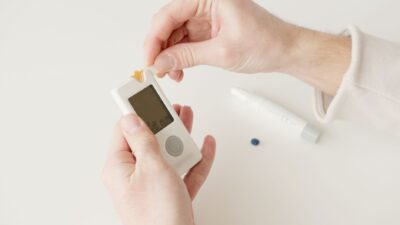
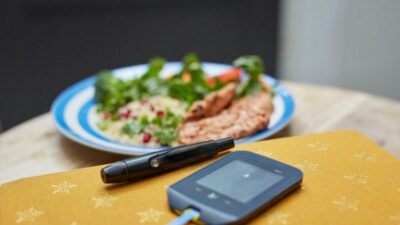
A one touch glucose meter is a fingerstick blood sugar meter from OneTouch, a brand made by LifeScan. As of late 2026, the company lists four meters on its US website: the OneTouch Verio Flex, Verio Reflect, Ultra Plus Flex and Ultra 2. Each uses its own type of test strip, so the strip you choose matters as much as the meter.
This guide compares the current models, explains how to use them accurately and covers what to check on cost and coverage. We are not affiliated with LifeScan and do not earn commissions from any meter brand.
Current OneTouch Meters in the US
The table below summarizes the models listed on the OneTouch US products page in late 2026. Retail stock can lag behind manufacturer changes, so check with your pharmacy or LifeScan for current availability.
| Model | Test strips used | Key features |
|---|---|---|
| OneTouch Verio Flex | OneTouch Verio | Compact meter, ColorSure range indicator, Bluetooth to the OneTouch Reveal app |
| OneTouch Verio Reflect | OneTouch Verio | Color range indicator, Blood Sugar Mentor on-screen guidance and pattern messages, Bluetooth |
| OneTouch Ultra Plus Flex | OneTouch Ultra Plus | ColorSure range indicator, Bluetooth, stores 500 results |
| OneTouch Ultra 2 | OneTouch Ultra | Older design in the Ultra line |
According to LifeScan’s technical specifications and pharmacy benefit materials, the Verio Flex, Verio Reflect and Ultra Plus Flex each need a 0.4 microliter blood sample and give a result in about 5 seconds, with no coding required. The Ultra Plus Flex measures glucose from 20 to 600 mg/dL (1.1 to 33.3 mmol/L).
How the Features Differ
Color Range Indicators
The Flex models and the Verio Reflect show a color bar or arrow that tells you whether a reading is below, within or above your target range. This can make results easier to understand at a glance. Your target range should come from your care team, not the meter’s default settings.
Coaching Messages
The Verio Reflect includes what LifeScan calls Blood Sugar Mentor, which displays short messages about patterns, such as repeated lows or highs at certain times. These are prompts to talk with your care team, not instructions to change your medicine.
App Connection
The Bluetooth models sync readings to the OneTouch Reveal mobile app, which can log results, show trends and share reports with your care team. You can still use the meter on its own without a phone.
Test Strips and Cost
Over time, test strips make up most of the cost of using any meter. As of late 2026, retail list prices for a 100-count box of OneTouch Verio strips are often above $100 at major US pharmacies before insurance, and OneTouch Ultra strips usually list higher. Discount programs and store-brand alternatives can be much cheaper, and prices change often, so compare before you buy.
To keep costs down:
- Check which strip brands your insurance plan prefers before choosing a meter.
- Ask your doctor for a prescription, which may lower what you pay even for over-the-counter supplies.
- Compare cash prices, since some store-brand meters have much cheaper strips.
For a broader comparison, see our guide to the best glucose meter with cheapest strips.
Medicare and Insurance
Medicare Part B covers blood glucose meters and test strips for people with diabetes when prescribed by a doctor. Medicare sets quantity limits that are higher for people who use insulin. According to Medicare, you usually pay 20 percent of the Medicare-approved amount after meeting the Part B deductible, if the supplier accepts assignment. Private plans vary, so ask your plan which brands it covers.
How Accurate Are OneTouch Meters?
All blood glucose meters sold for home use in the US need FDA clearance. FDA guidance for over-the-counter meters recommends that 95 percent of results fall within 15 percent of a laboratory reference value and 99 percent within 20 percent. The international ISO 15197 standard sets similar targets. LifeScan says its meters meet these standards, but no meter matches a lab test exactly.
Your technique matters as much as the device. Common causes of wrong readings include:
- Sugar or food residue on your fingers, so wash and dry your hands first
- Expired strips, or strips left in heat, humidity or an open vial
- Too small a blood sample
- Using the wrong strip type for your meter
- Dehydration or very high or low red blood cell counts
If a reading does not match how you feel, wash your hands and test again. For more on choosing a precise device, read our guide to the most accurate glucose meter.
How to Use a OneTouch Meter
- Wash and dry your hands.
- Insert a test strip in the correct direction; the meter turns on.
- Use the lancing device on the side of a fingertip.
- Touch the drop of blood to the edge of the strip and let it fill.
- Read the result and note the time and any context, such as before or after a meal.
- Dispose of the lancet safely in a sharps container.
Your care team can explain how often to test and what targets to use. Many people with diabetes aim for 80 to 130 mg/dL (4.4 to 7.2 mmol/L) before meals, but targets are individual.
Do You Need a Meter With Prediabetes?
Most people with prediabetes are monitored with A1C or fasting glucose tests at their doctor’s office, usually once a year. A home meter is optional. Some people find it useful to see how meals, sleep and exercise affect their numbers, which can support lifestyle changes. A single high home reading is not a diagnosis, so share any concerns with your doctor. Our A1C levels hub explains how prediabetes is diagnosed, and our overview of glucose meters compares other brands.
The Bottom Line
A one touch glucose meter is a reliable, widely available option, with four models currently listed by LifeScan in the US. The Verio Flex and Verio Reflect use Verio strips, the Ultra Plus Flex uses Ultra Plus strips, and the Ultra 2 uses Ultra strips. Choose based on the features you need and, above all, the strips your insurance covers. Ask your care team how often to test and what your targets should be. If you are working to lower your blood sugar, see our guide to reversing prediabetes.