The most accurate glucose meter is the one that reliably passes ISO 15197:2013 accuracy standards in independent testing and that you actually use correctly. No single brand is the most accurate for every person in every situation, but a handful of finger-stick meters and continuous glucose monitors consistently perform well in peer-reviewed studies.
What Accuracy Really Means for a Glucose Meter
Glucose meters are regulated as in-vitro diagnostic devices. The most commonly cited benchmark for home meters is ISO 15197:2013. It asks that 95 percent of readings fall within 15 mg/dL of a lab reference when blood sugar is below 100 mg/dL, and within 15 percent when the value is 100 mg/dL or higher. A tighter version, often cited in clinical studies, uses 10 mg/dL and 10 percent bands.
Accuracy differs from precision. A meter that always reads 12 mg/dL low is consistent but biased. A meter that jumps around even on repeat drops from the same sample is imprecise. Reliable devices score well on both. For CGMs, the headline number is mean absolute relative difference, or MARD, compared with a reference value. Modern sensors sit near 8 to 9 percent.
Top Performing Finger-Stick Meters in Independent Testing
Published accuracy studies have compared dozens of meters. A 2018 analysis by Klonoff and colleagues evaluated 18 systems under tight lab conditions. Only six met a strict version of the ISO criteria across three strip lots.
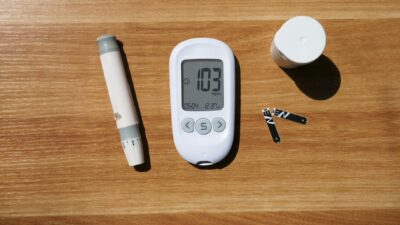
Across that and similar work, a few families of meters keep appearing at the top. Contour Next One and Contour Next EZ rank well thanks to their strip chemistry and second-chance sampling feature. Accu-Chek Guide is consistently near the top on precision. OneTouch Verio Reflect has shown strong performance, and FreeStyle Lite has appeared favorably in older studies. Budget meters from less familiar brands have a wider spread, and several have failed ISO testing.
Accuracy Benchmarks: Quick Comparison
| Device | Type | Reported Accuracy |
|---|---|---|
| Contour Next One | Finger-stick meter | Meets ISO 15197:2013; strong in peer-reviewed tests |
| Accu-Chek Guide | Finger-stick meter | Meets ISO 15197:2013; high precision |
| OneTouch Verio Reflect | Finger-stick meter | Meets ISO 15197:2013 in manufacturer data |
| Dexcom G7 | CGM | Overall MARD near 8 percent |
| FreeStyle Libre 3 | CGM | Overall MARD near 8 to 9 percent |
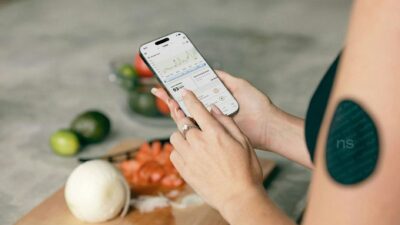
| Stelo (OTC CGM) | CGM | MARD similar to Libre family sensors |
CGMs vs. Finger-Stick Meters on Accuracy
CGMs are not inherently more accurate than a top finger-stick meter at a single moment, but they are more useful for trends. They read interstitial fluid, which lags blood by several minutes during rapid changes, so a confirmation finger stick is still recommended if a value does not match symptoms. CGMs also sometimes drift in the first 24 hours of wear and can be affected by compression on the sensor during sleep.
Finger-stick meters remain the reference at home when you suspect a severe low, when illness is active, or when a new CGM sensor is warming up. Many clinicians advise keeping one meter even if you use a CGM daily.
Things That Hurt Meter Accuracy More Than Brand Choice
Technique can shift readings by more than the difference between two top meters. Wet or dirty hands can pull results off target by 10 to 20 percent if juice, sugar, or food residue is present. Used or expired strips degrade. Strips stored in humid bathrooms or hot cars lose sensitivity. Very low or very high hematocrit, dehydration, and some medications can bias capillary readings. Always read the device manual for interference warnings.
For CGMs, sensor placement matters. The upper arm and belly have different perfusion, and some users find one site more accurate than another. Scar tissue and tight clothing can degrade signal. Rotating sites with each insertion usually helps.
Choosing a Meter for Your Situation
Picking the most accurate glucose meter for you depends on how you plan to use it. If you check glucose only a few times a week to track A1C levels between labs, a validated finger-stick meter with inexpensive strips is usually fine. If you want to understand how meals, workouts, or sleep alter glucose while you adjust your diet, a CGM with mobile alerts and a share feature adds value.
Other factors matter too. Test-strip cost, meter display readability, Bluetooth app quality, and insurance coverage often drive long-term satisfaction more than a two percent accuracy edge. Ask your pharmacist or clinician for recent model recommendations.
How to Verify a New Meter
When you buy a new device, bring it to your next lab appointment. Check your meter at the same time a venous draw is sent for plasma glucose. A well-performing meter should land within roughly 15 percent of the lab value. If it is consistently off, contact the manufacturer, try a fresh strip lot, and consider a different brand. For CGMs, a one-time side-by-side comparison can highlight any systematic drift.
The Bottom Line
The most accurate glucose meter is a validated device used with clean technique, fresh strips, and correct storage. Contour Next, Accu-Chek Guide, and OneTouch Verio lines are strong finger-stick choices, while Dexcom G7, FreeStyle Libre 3, and Stelo lead in consumer CGMs. Talk with your clinician about which tool matches your care plan, and retest against a lab value each year to confirm performance.
Medical disclaimer: This article is for educational purposes only and does not replace medical advice. Always consult a qualified healthcare provider before starting, stopping, or changing any medical device or therapy.