Prediabetes fasting glucose means a fasting plasma glucose between 100 and 125 mg/dL, a range the American Diabetes Association defines as impaired fasting glucose (IFG). The test requires an 8-hour fast, uses a venous blood draw, and must be confirmed on a separate day before a formal prediabetes diagnosis is given. Unlike type 2 diabetes, prediabetes at this stage is reversible.
How Fasting Glucose Is Used to Diagnose Prediabetes
Fasting plasma glucose (FPG) is one of three ADA-endorsed tests for prediabetes. The others are the A1C (5.7-6.4% indicates prediabetes) and the 2-hour oral glucose tolerance test (140-199 mg/dL indicates prediabetes). A fasting value between 100 and 125 mg/dL puts you in the impaired fasting glucose category, signaling that your overnight glucose regulation has weakened.
The cutoff was lowered from 110 to 100 mg/dL in 2003 based on data showing that cardiovascular and microvascular risk begins climbing above 100. You can read more in our prediabetes overview about how this number sits alongside other diagnostic markers.
How the Fasting Glucose Test Works
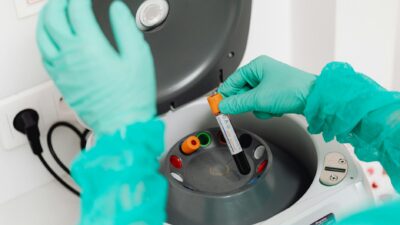
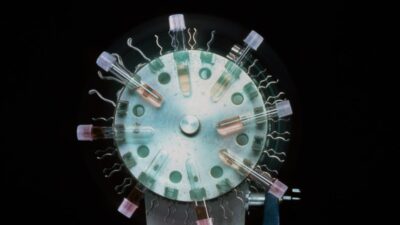
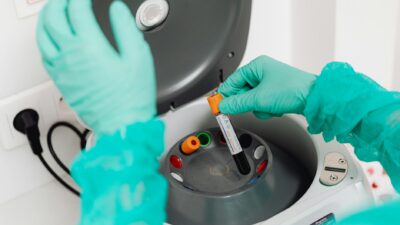
The test is simple. After an 8-hour fast, a phlebotomist draws blood from a vein, usually in the arm. The lab centrifuges the sample to separate plasma, then measures glucose using a hexokinase or glucose oxidase enzymatic method. The result, reported in mg/dL (US) or mmol/L (most other countries), reflects your overnight, basal glucose state, when the liver and pancreas are doing the heavy regulatory work without any influence from recent food.
Fingerstick home meters measure whole-blood glucose, which runs about 10-15% lower than plasma. Home readings are useful for tracking patterns but are not considered diagnostic. Only a venous lab draw qualifies for an ADA diagnosis.
How to Prepare for the Test
Accuracy depends on doing the fast properly. Plan on:
- 8-12 hours without calories. Fasting longer than 14 hours can paradoxically raise glucose due to stress hormones.
- Water is fine and actually helps.
- Black coffee or plain tea in moderation is usually acceptable, but check with your lab.
- No cream, sugar, sugar substitutes with calories, chewing gum with sorbitol, or mints.
- Take usual medications with water unless your doctor says otherwise.
- Schedule the draw in the morning if possible; afternoon fasts can be less physiologically representative.
Accuracy and What Can Skew the Result
Fasting glucose is reasonably reproducible, but not perfectly so. Day-to-day physiological variation of 5-10 mg/dL is normal, and analytic lab variation adds another 2-3 mg/dL. Several factors can push a reading artificially upward: acute illness or infection, recent corticosteroid use, poor sleep the night before, a high-fat or very large dinner, or breaking the fast accidentally. The dawn phenomenon, a natural early-morning cortisol and growth hormone surge, can add 5-15 mg/dL.
Because of this variability, the ADA requires two abnormal results on separate days, using any combination of FPG, A1C, or OGTT, before a diagnosis is confirmed, unless classic hyperglycemic symptoms are present.
Prediabetes Fasting Glucose at a Glance
| Fasting Plasma Glucose | Category | What It Means |
|---|---|---|
| Under 100 mg/dL | Normal | No action beyond routine screening |
| 100-109 mg/dL | Low-range prediabetes | Lifestyle change; retest in 6-12 months |
| 110-125 mg/dL | High-range prediabetes | Aggressive lifestyle change; consider metformin |
| 126 mg/dL or higher (x2) | Type 2 diabetes | Medical management plus lifestyle |
When to Use Fasting Glucose Versus A1C
Fasting glucose is cheap, widely available, and particularly good at detecting the hepatic (liver) side of insulin resistance. A1C reflects average glucose over the past 2-3 months and picks up post-meal spikes that fasting glucose misses. Roughly 20-30% of people with prediabetes have one abnormal test but not the other, which is why the International Expert Committee and most clinicians recommend pairing tests whenever possible.
For people with red blood cell disorders (sickle cell trait, thalassemia), iron deficiency, or chronic kidney disease, A1C can be unreliable, and fasting glucose or OGTT becomes the preferred option. See our A1C levels guide for the complementary picture.
What the Research Says About Reversing Prediabetes Fasting Glucose
The evidence is unusually strong. The Diabetes Prevention Program, a landmark NIH-funded randomized trial, followed more than 3,200 adults with prediabetes. Those assigned to an intensive lifestyle intervention (5-7% weight loss, 150 minutes of weekly moderate exercise) cut their three-year progression to type 2 diabetes by 58%. Metformin cut risk by 31%. Most participants in the IFG range saw their fasting glucose return to below 100 mg/dL within 6-12 months.
The Bottom Line
Prediabetes fasting glucose is defined as a plasma value of 100-125 mg/dL after an 8-hour fast, confirmed on a separate day. The test is inexpensive, reproducible within 5-10 mg/dL, and particularly good at catching hepatic insulin resistance. Pair it with an A1C to maximize detection, rule out short-term confounders before acting on a single abnormal reading, and pursue DPP-style lifestyle change to bring the number back to normal range.