Dexcom is a continuous glucose monitor (CGM) — a small wearable sensor that tracks your blood sugar every five minutes and sends the readings to your phone or a receiver. It is one of the two dominant CGM brands worldwide (the other being Abbott FreeStyle Libre) and is widely used in type 1, type 2, gestational, and prediabetes management.
What Dexcom Actually Does
A Dexcom sensor measures glucose in interstitial fluid just under the skin. The sensor transmits a reading every five minutes to a smartphone app, Apple Watch, or handheld receiver, giving you up to 288 data points per day. You see a graph, a trend arrow, and optional alarms for high or low glucose.
According to the Dexcom company site, more than 2 million people worldwide currently use Dexcom sensors for diabetes management.
The Dexcom Product Family
Dexcom G7
The G7 is the flagship prescription CGM. Each sensor lasts 10 days plus a 12-hour grace period, is about the size of three stacked nickels, and pairs directly with a smartphone. It is cleared for all ages including pregnancy, is factory-calibrated, and has a reported MARD of about 8.2%.
Dexcom G6
The G6 was the previous flagship and is still supported. It has a separate transmitter that lasts 90 days and a sensor that lasts 10 days. G6 remains the CGM integrated with some older insulin pumps and Omnipod 5 systems.
Dexcom Stelo
Stelo is the first over-the-counter CGM cleared by the FDA (March 2024). Designed for adults 18+ not on insulin, it uses the G7 platform with a 15-day wear, 15-minute reading interval, and no urgent alarms.
Dexcom Product Comparison
| Feature | Dexcom G7 | Dexcom G6 | Dexcom Stelo |
|---|---|---|---|
| Prescription required | Yes | Yes | No (OTC) |
| Sensor life | 10 days + 12 hr | 10 days | 15 days |
| Reading interval | 5 minutes | 5 minutes | 15 minutes |
| MARD | ~8.2% | ~9.0% | ~8-9% |
| Urgent low alerts | Yes | Yes | No |
| Insulin pump integration | Select pumps | Several pumps | No |
| Pregnancy indication | Yes | Yes | No |
How Dexcom Is Used in Practice
Dexcom G7 integrates with:
- Smartphones via the Dexcom G7 app (iOS, Android)
- Apple Watch with a direct-to-watch option
- Insulin pumps from Tandem and Insulet for automated delivery
- Smart insulin pens and dosing calculators
Users rely on Dexcom alarms to catch lows overnight, confirm highs after meals, and to avoid fingersticks for most day-to-day decisions.
Who Benefits from Dexcom
Dexcom is valuable for:
- People with type 1 diabetes — especially those using automated insulin delivery
- Type 2 users on multiple daily injections or problematic hypoglycemia
- Pregnant users with any type of diabetes
- People with prediabetes or type 2 on oral meds who want lifestyle insight (via Stelo)
What Dexcom Will Not Do
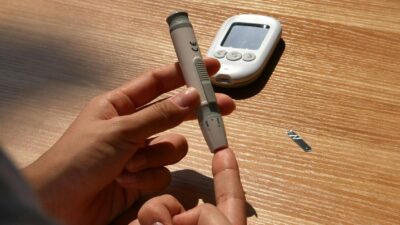
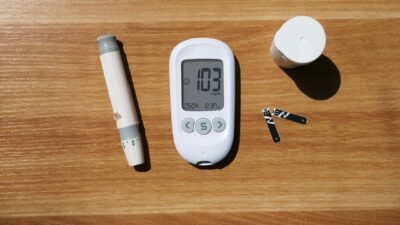
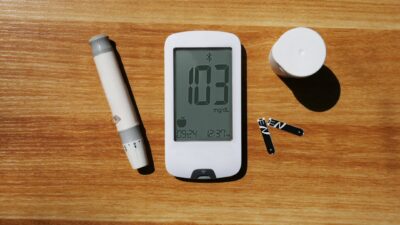
Dexcom is not an insulin pump, does not deliver medication, and does not replace a fingerstick in every situation. Confirm readings with a meter if you feel symptoms that do not match, if the sensor is brand new (first 24 hours can be noisy), or before important treatment decisions your clinician directs you to confirm.
Cost and Access
Prescription G7 typically costs $40-$120 per month with US commercial insurance. Medicare Part B covers G7 for beneficiaries on insulin or with documented hypoglycemia. Stelo costs roughly $89 per month out of pocket and does not need insurance. Our treatment hub helps you decide which CGM pairs with your therapy.
Tips for Getting the Most from Dexcom
- Share data with your clinician through Dexcom Clarity
- Set alarms conservatively — too many alerts cause fatigue
- Compare similar meals at different times to spot patterns
- Review weekly reports to catch overnight trends
Dexcom and Automated Insulin Delivery
One of Dexcom’s most impactful uses is pairing with an automated insulin delivery (AID) system. Tandem’s Control-IQ and t:slim X2 pumps, along with Insulet’s Omnipod 5, adjust basal insulin every five minutes based on the CGM reading and trend. Clinical trials have shown that AID systems increase time in range by 2-4 hours per day compared with manual insulin delivery, while reducing severe hypoglycemia. This is a meaningful quality-of-life change that has become the standard for type 1 diabetes management in many clinics.
Common Questions Before You Start
New users often wonder whether the sensor hurts, how to shower with it, whether they need to inform airport security, and how accurate the readings really are. The short answers: application is a brief pinch, showering is fine because the sensor is water-resistant, airport metal detectors and body scanners are compatible (just tell TSA you have a medical device), and accuracy rivals lab glucose for most purposes. Confirm with a fingerstick any time a reading does not match your symptoms, and recalibrate your expectations during the first 24 hours.
The Bottom Line
Dexcom is a continuous glucose monitor that replaces most fingersticks with real-time data, trend arrows, and alerts. The prescription G7 serves people across the diabetes spectrum, while Stelo opens CGM to adults with prediabetes or type 2 diabetes not on insulin. Talk with your provider about which Dexcom option fits your goals and budget.
Medical disclaimer: This article is educational and does not substitute for medical advice. Decisions about CGM use and dosing should be made with a qualified healthcare professional.