If you are asking “why is my fasting blood sugar high,” the most common answer is the dawn phenomenon — a normal pre-wake surge of hormones that signals your liver to release glucose. In prediabetes and type 2 diabetes, insulin cannot fully offset that release, so morning glucose climbs even though you have not eaten for eight hours.
Fasting Glucose: What Is “High”?
Fasting plasma glucose reference ranges, per the ADA Standards of Care:
| Fasting plasma glucose | Category |
|---|---|
| Below 100 mg/dL | Normal |
| 100–125 mg/dL | Prediabetes (impaired fasting glucose) |
| 126 mg/dL or higher | Diabetes (requires confirmation) |
A single reading does not diagnose anything. Diagnosis requires two abnormal tests (either repeat fasting glucose, A1C, or OGTT), or one abnormal test plus classic symptoms.
The Dawn Phenomenon
Between roughly 3 AM and 8 AM, your body releases growth hormone, cortisol, glucagon, and epinephrine. These counter-regulatory hormones push the liver to release stored glucose so you have energy for the day. If your insulin response is blunted — the core issue in prediabetes and type 2 diabetes — that release pushes fasting glucose above target.
You can often detect dawn phenomenon by checking glucose at bedtime, at 3 AM, and at wake. If bedtime is normal, 3 AM is normal, and wake is high, dawn phenomenon is likely.
The Somogyi Effect (Rebound Hyperglycemia)
In the Somogyi effect, overnight hypoglycemia (a low) triggers a strong counter-regulatory response, and you wake with a high. This pattern is more common in people on insulin or insulin secretagogues. It is often overdiagnosed. Modern CGM studies suggest dawn phenomenon is much more frequent than Somogyi in most adults.
To distinguish: a 3 AM reading catches a nocturnal low. If 3 AM glucose is below 70 mg/dL and wake glucose is high, Somogyi is possible and your medication regimen may need review.
Other Causes of a High Fasting Reading
Late, large, or high-carbohydrate dinners
A heavy dinner or late-evening snack can still be pushing glucose higher at 7 AM, especially if slowed gastric emptying or high fat content delays absorption. Time-restricted eating or earlier dinners help some people.
Poor sleep or sleep apnea
Short sleep duration and untreated obstructive sleep apnea raise cortisol and blunt insulin sensitivity. Addressing sleep can lower fasting glucose measurably.
Stress, illness, or pain
Cortisol and catecholamines raise glucose. Any acute illness — a cold, an infection, a kidney stone — can push fasting readings above baseline for days.
Medications
Corticosteroids (prednisone), some antipsychotics, beta-blockers at high doses, and certain diuretics raise blood glucose. Review prescriptions and OTC products with your pharmacist.
Alcohol the night before
Alcohol affects liver glucose release unpredictably. In some people it causes overnight lows followed by a rebound; in others, it simply adds calories and insulin resistance.
Dehydration
Concentrated blood raises measured glucose modestly. Drinking adequate water throughout the day and before sleep can help.
What the Meter or CGM Is Actually Telling You
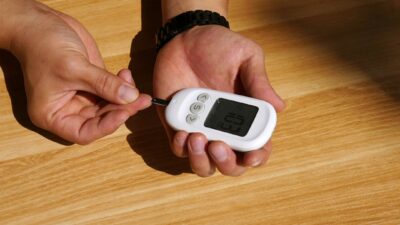
A finger-stick captures a single moment. Continuous glucose monitoring captures the overnight pattern. If you have access to a CGM through a clinician, reviewing three to seven nights of data is far more informative than a single morning reading.
If you are using a CGM and morning values are high while bedtime is normal, the direction of the trend line overnight tells you whether the rise started at midnight (meal effect), at 3 AM (dawn phenomenon), or after a dip (possible Somogyi).
Lifestyle Strategies That Help
- Earlier, smaller dinners with more fiber and protein; avoid late carbohydrate-heavy snacks.
- A 10–20 minute walk after dinner.
- Resistance training two to three times weekly — skeletal muscle is the largest site of insulin-stimulated glucose uptake.
- Consistent sleep schedule; screen for sleep apnea if you snore, wake unrefreshed, or have a high BMI.
- Weight loss of 5–10 percent when applicable; modest loss produces meaningful fasting glucose improvement.
For a broader diet framework, see our prediabetes nutrition guide.
When Medication Enters the Conversation
If lifestyle changes are not enough and your fasting glucose is persistently in the prediabetes or diabetes range, your clinician may consider metformin — the most evidence-backed first-line agent for lowering fasting glucose in type 2 diabetes and for preventing progression from prediabetes in higher-risk adults. See prediabetes treatment options for an overview. This is a clinical decision, not a self-prescribed one.
When to Call Your Doctor
- Repeat fasting readings above 126 mg/dL.
- Any reading above 200 mg/dL, especially with symptoms.
- New thirst, urination frequency, weight loss, vision changes, or fatigue.
- Morning readings that have climbed from previous baselines without explanation.
The Bottom Line
High fasting blood sugar usually reflects overnight liver glucose release that insulin is no longer fully containing — classic dawn phenomenon in prediabetes and type 2 diabetes. Less often, it reflects rebound from overnight lows, medications, sleep disruption, or stress. Pattern-checking, lifestyle changes, and a conversation with your clinician sort out the cause and the right next step.
This article is for educational purposes only and is not medical advice. Always consult a licensed healthcare professional about any test, medication, or health decision.