Dehydration does not usually cause low blood sugar on its own. In fact, it more often does the opposite, concentrating glucose in your blood so readings go up. But dehydration and low blood sugar often show up together when you are sick, drinking alcohol, exercising in the heat or taking insulin or sulfonylurea pills, and their symptoms can be hard to tell apart.
Call 911 if someone is confused and cannot swallow safely, has a seizure or passes out. Give glucagon if it is available and you know how to use it, and never put food or drink in the mouth of someone who is unconscious. Severe dehydration with confusion, fainting or no urine for many hours also needs emergency care.
How Dehydration Affects Blood Sugar
When you are dehydrated, there is less water in your bloodstream. The same amount of glucose is spread through less fluid, so the concentration rises. That is why dehydration is more closely tied to high blood sugar than to lows.
The relationship also works in reverse. When glucose is high, the kidneys flush extra glucose into the urine and take water with it. You urinate more, lose fluid and become more dehydrated, which can push glucose higher still. In people with diabetes, uncontrolled high blood sugar is a leading cause of dehydration.
When Dehydration and Low Blood Sugar Happen Together
Low blood sugar during dehydration is usually caused by a second factor. Common situations include:
| Situation | Why glucose may drop |
|---|---|
| Stomach bug with vomiting or diarrhea | You cannot keep food down, but insulin or a sulfonylurea keeps lowering glucose |
| Drinking alcohol | Alcohol is dehydrating and can stop the liver from releasing stored glucose, especially without food |
| Exercise in hot weather | Muscles use glucose quickly while you lose fluid through sweat |
| Severe dehydration affecting the kidneys | Weaker kidney function can slow the clearance of insulin and some diabetes pills, so they act longer |
| Skipping meals or fasting | Less food and fluid intake together, especially while on glucose-lowering medicine |
In people who do not take glucose-lowering medicine, the body is very good at keeping glucose in range even during illness or fasting. True low blood sugar without diabetes is uncommon. Heavy drinking without eating is one of the main exceptions. If you have repeated lows without diabetes, see our guide to low blood sugar without diabetes.
Dehydration vs Low Blood Sugar Symptoms
Many symptoms overlap, which is why people mix them up:
| Symptom | Dehydration | Low blood sugar |
|---|---|---|
| Dizziness or lightheadedness | Common | Common |
| Fatigue or weakness | Common | Common |
| Confusion | When severe | Common, worsens as glucose falls |
| Fast heartbeat | Common | Common |
| Thirst, dry mouth | Typical | Not typical |
| Dark urine, urinating less | Typical | Not typical |
| Shakiness, sweating, sudden hunger | Not typical | Typical |
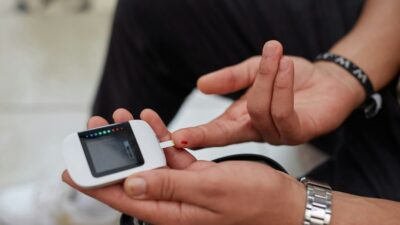
The only reliable way to tell them apart is to check your glucose. For most people with diabetes, low blood sugar means below 70 mg/dL (3.9 mmol/L), and below 54 mg/dL (3.0 mmol/L) is a more serious low. Our page on symptoms of low blood sugar has the full list.
What to Do If You Think You Are Low and Dehydrated
- Check your glucose if you have a meter or CGM.
- If it is below 70 mg/dL (3.9 mmol/L), treat the low first with 15 grams of fast-acting carbohydrate, such as glucose tablets or 4 ounces of juice. Recheck in 15 minutes and repeat if needed.
- Then rehydrate with water or an oral rehydration drink. If you cannot eat, sipping fluids that contain some sugar can help prevent another low.
- If your glucose is normal or high, focus on fluids. Sugar-free fluids are a better choice when glucose is high.
Get medical help if you cannot keep fluids down, have diarrhea lasting more than a day, keep having lows, or feel confused. More detail is in our guide to how to treat low blood sugar.
Sick Days With Diabetes Medicines
If you take insulin or a sulfonylurea such as glipizide or glyburide, a dehydrating illness can make your glucose swing in either direction. Infection can push it up, while eating little can pull it down. Some other medicines, including metformin and SGLT2 inhibitors, carry their own risks during dehydration, such as kidney strain or ketoacidosis.
Ask your care team for a written sick-day plan that covers how often to check glucose and ketones, which medicines to adjust or pause, and when to call. Do not stop or change doses on your own. Our sick-day rules guide explains what such a plan usually includes.
How to Prevent Both Problems
- Drink fluids through the day, more in hot weather and during exercise.
- Do not drink alcohol on an empty stomach. If you take insulin or a sulfonylurea, eat when you drink and check before bed.
- Check glucose before, during and after long or intense exercise.
- Keep fast-acting carbs and water with you.
- Remember that older adults may not feel thirsty until they are already dehydrated.
The Bottom Line
Dehydration on its own usually raises blood sugar rather than lowering it. Lows tend to happen alongside dehydration when illness, alcohol, heat, exercise or glucose-lowering medicines are also involved. Because the symptoms overlap, check your glucose before deciding what to treat. If you have diabetes, a sick-day plan made with your care team is the best way to stay safe when you are losing fluids. For more on managing blood sugar, visit our treatment hub.