Sick day rules for diabetes are a structured plan for what to do when illness, infection, surgery, or stress disrupt your normal routine — and they can prevent diabetic ketoacidosis, severe dehydration, and dangerous hypoglycemia. The core rules are: never stop insulin, check glucose every 4 hours, check ketones when glucose rises, hydrate aggressively, and hold a short list of medications until you recover.
Why Illness Changes Your Diabetes
Any illness — a cold, the flu, a stomach bug, a urinary tract infection, even minor injury — triggers a stress response. The body releases cortisol, glucagon, growth hormone, and catecholamines. These hormones raise blood glucose, suppress insulin sensitivity, and increase ketone production. For most people with diabetes, this means glucose rises sharply during illness, even when food intake drops. For people with LADA or type 1 diabetes, the combination of rising glucose and inadequate insulin can produce diabetic ketoacidosis within hours.
- Stress hormones raise glucose by 50 to 200 mg/dL above baseline
- Dehydration concentrates glucose further
- Reduced food intake does not protect against hyperglycemia — counter-regulatory hormones dominate
- Insulin needs typically rise 10 to 50 percent during illness
- Vomiting and diarrhea cause electrolyte loss that complicates correction
The Core Sick Day Checklist
| Task | Frequency | Action Threshold |
|---|---|---|
| Check blood glucose | Every 4 hours minimum | Correction dose if above target |
| Check ketones (T1D) | Every 4 hours if BG >240 mg/dL | Call clinician if moderate or large |
| Drink fluids | 8 oz every hour while awake | Sugar-free if BG >180, with carbs if BG <100 |
| Eat carbs if tolerable | 15 g per hour | Crackers, broth, applesauce, popsicles |
| Continue basal insulin | At usual time | Never skip — may need to increase |
| Temperature | Every 4 hours | Call clinician if >101°F persistent |
| Symptoms log | Each glucose check | Track trajectory, not just numbers |
Insulin Adjustments During Illness
The counter-intuitive truth is that most people with diabetes need more insulin, not less, when sick — even when eating less. Work with your clinician to build a sick day insulin plan before you need it.
| Glucose Reading | Action (T1D, adult) |
|---|---|
| Below 70 mg/dL | 15 g fast carbs, recheck in 15 min, reduce next basal by 10–20% temporarily |
| 70–180 mg/dL | Normal basal; bolus only if eating carbs |
| 180–240 mg/dL | Normal basal; correction bolus per usual ratio |
| 240–400 mg/dL | Check ketones; basal +10–20%; correction bolus; recheck in 2 hours |
| Above 400 mg/dL | Check ketones; correction bolus; if not down in 2 hours, call clinician |
| Any reading with vomiting or large ketones | Seek same-day medical evaluation |
Hydration — More Than Just Water
- At least 8 ounces every hour while awake
- Alternate sugar-free fluids (water, broth, sugar-free electrolyte drinks) and carbohydrate-containing fluids (regular ginger ale, apple juice, sports drinks) depending on glucose
- If glucose is high, prioritize sugar-free; if glucose is low or you cannot eat, use carb-containing fluids to replace 15 g of carbs per hour
- Oral rehydration solutions (Pedialyte, DripDrop, LMNT for low-carb) replace electrolytes lost from vomiting or diarrhea
- Avoid pure caffeine — it can worsen dehydration
Medications to Hold or Pause
| Drug Class | Why Hold | When to Restart |
|---|---|---|
| SGLT2 inhibitors | Euglycemic DKA risk in low intake or dehydration | 24 h of normal eating, drinking, urinating |
| Metformin | Lactic acidosis if AKI develops | Same — eating and well-hydrated |
| ACE inhibitors / ARBs | AKI risk in volume depletion | Same |
| Diuretics | Worsen dehydration | Same |
| NSAIDs | Kidney injury, GI ulceration when dehydrated | Avoid entirely while ill; use acetaminophen |
| Sulfonylureas | Hypoglycemia if not eating | Resume with first solid meal |
| Insulin (basal) | NEVER hold | Continue throughout illness |
Managing Nausea and Vomiting
- Small sips every 5 to 10 minutes — large volumes trigger more vomiting
- Cold or room-temperature fluids tolerate better than hot
- Ginger (real ginger tea, candied ginger) can ease mild nausea
- Ondansetron (Zofran) is the preferred prescription anti-emetic — minimal glucose impact
- Avoid metoclopramide if you have known gastroparesis — it can mask warning symptoms
- If you cannot keep fluids down for more than 2 to 3 hours, seek medical care for IV hydration
When to Seek Emergency Care
- Persistent vomiting more than 2 to 4 hours
- Inability to keep any fluid down
- Moderate or large blood ketones (≥1.5 mmol/L) or urine ketones
- Glucose above 400 mg/dL not responding to correction doses
- Glucose below 70 mg/dL that you cannot raise with oral carbs
- Rapid, deep breathing (Kussmaul breathing — sign of DKA)
- Fruity breath odor
- Altered mental status, confusion, lethargy
- Severe abdominal pain
- Signs of dehydration: very dry mouth, sunken eyes, no urine for 8+ hours, dizziness on standing
- Chest pain, shortness of breath at rest, or any concerning new symptoms
Sick Day Rules for Children with Diabetes
Pediatric sick day management follows the same principles but with closer monitoring and a lower threshold for medical contact. Children dehydrate faster, develop DKA faster, and may not recognize warning symptoms. Check glucose every 2 to 3 hours, check ketones every 4 hours with any illness regardless of glucose, and call the pediatric diabetes team early rather than late. Weight-based fluid replacement: 50 to 100 mL per kg over 24 hours for mild dehydration. Caregivers should have a written action plan from the pediatric endocrinology team.
Building Your Sick Day Kit
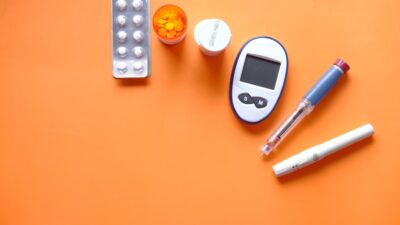
- Glucose meter with at least 30 test strips reserved for sick days
- Blood ketone meter and strips (preferred) or urine ketone strips
- Glucagon (intranasal Baqsimi or injectable Gvoke) — check expiration twice a year
- Oral rehydration solution packets
- Anti-emetic (ondansetron if prescribed)
- Acetaminophen (not ibuprofen)
- Sugar-free clear fluids and regular sugar-containing fluids both stocked
- 15-g carbohydrate snacks (crackers, applesauce, juice boxes)
- Thermometer
- Written sick day action plan from your clinician
- Phone numbers: clinician on-call, diabetes educator, nearest ER, after-hours pharmacy
Related Special Situations
Illness during travel raises additional issues — see our guides on travel with diabetes and hospital diabetes management. For broader context on prevention, see our treatment overview.
The Bottom Line
Sick day rules for diabetes are a written plan that prevents two opposite emergencies — diabetic ketoacidosis from under-treating illness-driven hyperglycemia, and severe dehydration with kidney injury from continuing certain drugs while volume-depleted. The non-negotiables are: never stop insulin, check glucose every 4 hours, check ketones when glucose rises, drink 8 ounces of fluid every hour, and hold SGLT2 inhibitors, metformin, ACE inhibitors, and diuretics until you recover. Build the kit before you need it, have a written plan from your clinician, and call for help early — the cost of an unnecessary phone call is far less than a missed early sign of DKA.