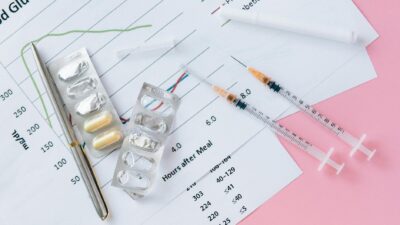
Ramadan fasting with diabetes is possible for many people but requires careful medical preparation, risk stratification, medication adjustment, and clear rules for when to break the fast. The IDF-DAR International Alliance has published practical guidelines (most recently updated in 2021) used worldwide. Approximately 150 million Muslims live with diabetes globally, and many wish to fast — a balanced approach that prioritizes safety while supporting religious observance is both medically sound and respected by Islamic religious authorities.
The Religious and Medical Framework
- Ramadan is the ninth month of the Islamic lunar calendar; healthy adult Muslims fast from dawn (Fajr) to sunset (Maghrib)
- Fasting includes abstention from food, drink, oral medications, and intravenous nutrition
- Subcutaneous injections (insulin, glucagon) are permitted during fasting hours by most religious authorities — they do not nullify the fast
- Islam explicitly exempts the chronically ill from fasting (Quran 2:184)
- Medical clearance is recommended before deciding to fast — see a diabetes team 6 to 8 weeks before Ramadan begins
IDF-DAR Risk Stratification (2021)
| Risk Category | Examples | Recommendation |
|---|---|---|
| Very High | Type 1 with severe recent hypoglycemia or DKA; pregnancy with diabetes; advanced complications; dialysis; severe macrovascular disease | Must NOT fast |
| High | Type 1 well-controlled; type 2 on intensive insulin; CKD stage 3; multiple antihypertensives; recent illness | Should NOT fast — strongly advised against |
| Moderate | Type 2 on oral agents with good control; well-controlled hypertension; A1C 7–9% | Can fast with caution and monitoring |
| Low | Well-controlled type 2 on lifestyle alone or metformin only; A1C under 7%; no complications | Can fast safely |
Pre-Ramadan Preparation (6 to 8 Weeks Before)
- Visit diabetes team for risk assessment and individualized plan
- A1C check; consider continuous glucose monitor
- Review medications — identify drugs that need adjustment or substitution
- Educate on hypoglycemia, hyperglycemia, sick days, and when to break the fast
- Discuss with family and religious counselor as needed
- Practice fasting on 1 or 2 days before Ramadan to test response
- Confirm CGM and glucose monitoring supplies
- Plan Suhoor and Iftar menus with a dietitian
Medication Adjustments by Class
| Medication | Adjustment Strategy |
|---|---|
| Metformin (immediate release) | Take with Iftar (2/3 of dose) and Suhoor (1/3 of dose); minimal hypoglycemia risk |
| Metformin (extended release) | Take entire dose with Iftar |
| Sulfonylureas (glipizide, glimepiride, glyburide) | Reduce dose by 50% or switch to lower-hypoglycemia agent (e.g., DPP-4 inhibitor) before Ramadan |
| DPP-4 inhibitors | Continue at usual dose; minimal hypoglycemia risk; preferred during Ramadan |
| SGLT2 inhibitors | Consider holding or reducing; dehydration and euglycemic DKA risk; ensure adequate fluids |
| GLP-1 receptor agonists | Continue weekly injections on usual schedule; daily dose at Iftar |
| Long-acting basal insulin (glargine, detemir, degludec) | 60–80% of usual dose at Iftar |
| Rapid-acting insulin with meals | Usual dose at Iftar based on meal carbs; smaller dose at Suhoor |
| Pre-mixed insulin (70/30, etc.) | Usual evening dose at Iftar; half usual morning dose at Suhoor |
| Insulin pump | Reduce basal rate 20–40% during fasting hours; resume normal or slightly higher after Iftar |
Glucose Monitoring During Ramadan
- Fingerstick or CGM monitoring does NOT break the fast — religious authorities have clarified this
- Check at: pre-dawn (before Suhoor), mid-morning, mid-afternoon, pre-Iftar, 2 hours post-Iftar, and bedtime
- CGM provides continuous data without the need for individual fingersticks
- Track patterns over the first few days — adjust medication with your diabetes team
- Note especially the pre-Iftar period (when hypoglycemia risk is highest) and the post-Iftar peak (when hyperglycemia is common)
The Suhoor Meal (Pre-Dawn)
- Complex carbohydrates (whole grain bread, oats, brown rice) for sustained glucose
- Protein (eggs, yogurt, cheese, lean meat) to slow gastric emptying
- Healthy fats (nuts, avocado, olive oil) for satiety
- Fiber-rich vegetables and fruits
- Adequate fluids (500 to 750 mL water minimum)
- Avoid: simple sugars, white refined flour, salty foods that increase thirst
- Eat as late as possible within the Suhoor window to shorten fasting hours
The Iftar Meal (Sunset)
- Break the fast traditionally with water and 1 to 2 dates — modest glucose rise, restores hydration
- Wait 10 to 20 minutes before the main meal — allows the body to adjust and prevents overeating
- Main meal: balanced plate — vegetables (half), protein (quarter), complex carbs (quarter)
- Avoid: large sugary drinks, fried foods, large portions of refined carbs at once
- Common cultural foods (samosas, jalebi, kheer, biryani) are higher carb — moderate portions
- Hydrate between Iftar and Suhoor — water, herbal tea, low-sugar beverages
When to Break the Fast (Medical Indications)
- Blood glucose below 70 mg/dL — break immediately even if asymptomatic
- Blood glucose below 90 mg/dL in the first few hours of fasting (likely to drop further)
- Blood glucose above 300 mg/dL despite usual medication
- Symptoms of hypoglycemia: shakiness, sweating, palpitations, confusion, weakness
- Symptoms suggesting DKA: nausea, vomiting, deep rapid breathing, fruity breath, abdominal pain
- Illness with fever, vomiting, or diarrhea
- Severe dehydration symptoms
- Any significant new health concern
Use 15 g of fast-acting carbs to treat hypoglycemia (3 to 4 glucose tablets, half a cup of juice). Recheck in 15 minutes. Religious obligation is to preserve life — the day can be made up later or compensated through fidya (a feeding-the-poor obligation).
Activity, Work, and Driving
- Reduce intense physical activity during fasting hours — exercise risk hypoglycemia
- Light activity (walking) usually safe
- Exercise after Iftar when refueled and rehydrated
- Driving during fasting hours: check glucose before driving and every 2 hours
- If glucose under 90 mg/dL, do not drive; break the fast if necessary
- Adjust work schedules where possible to allow rest in late afternoon
Special Populations
| Group | Considerations |
|---|---|
| Pregnant women with diabetes | Very high risk — must not fast; alternative compensation per Islamic guidance |
| Children with type 1 diabetes | Not religiously obligated until puberty; even then, very high risk |
| Older adults with diabetes | Frailty, polypharmacy, and CKD raise risk — usually high or very high risk category |
| Patients with kidney disease | CKD 3 or worse — usually high risk; dehydration concerns |
| Recent severe hypoglycemia | Very high risk; must not fast for the year |
| Recent DKA or HHS | Very high risk |
| Hajj or Umrah pilgrimage during Ramadan | Add heat and physical exertion — see heat and cold effects and travel with diabetes |
Cultural and Religious Counseling
- Many imams and religious scholars are trained in modern medical exemptions
- The decision to not fast for medical reasons is religiously valid and respected
- Fidya (feeding one needy person per missed day) is the standard compensation when fasting is medically not possible
- Days can also be made up after Ramadan if and when health permits
- Family and community education reduces social pressure to fast unsafely
Related Reading
For related special situations, see our guides on sick day rules, travel with diabetes, and the broader treatment options.
The Bottom Line
Ramadan fasting with diabetes is safe for moderate- and low-risk patients with careful preparation — IDF-DAR risk stratification, individualized medication adjustment, balanced Suhoor and Iftar meals, and a clear plan for when to break the fast. Very high-risk patients must not fast, and high-risk patients are strongly advised against fasting; Islamic teaching explicitly accommodates medical exemption through fidya or making up the days later. Continuous glucose monitoring is highly recommended where available. Subcutaneous insulin injections do not break the fast. The non-negotiables: break the fast for glucose under 70 or over 300, for any DKA-suggestive symptoms, or for any new illness. Medical safety is the priority, and religious authorities support that priority.