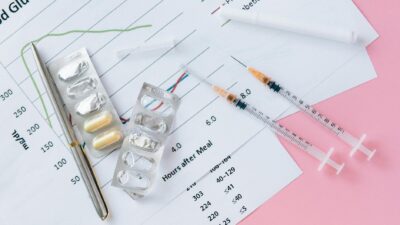
Travel with diabetes is entirely possible — and rewarding — with structured pre-trip preparation, careful supply packing, awareness of time zone and climate effects on insulin, and a plan for illness or emergencies abroad. The core principles are simple: bring double supplies in carry-on, carry documentation, monitor glucose more often than usual, and know how to access care wherever you land.
Pre-Trip Preparation
| Timing Before Trip | Tasks |
|---|---|
| 6–8 weeks before | Medical visit; A1C check; medication renewals; travel insurance with medical evacuation; vaccinations as needed; doctor’s letter typed and signed |
| 4 weeks before | Order extra supplies (some insurances pre-authorize travel supply); check device battery life; research healthcare in destination |
| 2 weeks before | Time-zone insulin plan with diabetes team; refill prescriptions; print medication list in destination language |
| 1 week before | Pack carry-on first; confirm CGM/pump compatibility with planned activities; download offline maps to nearest hospitals |
| Day before | Check pump batteries, insulin in pen cartridges, CGM sensor expiration; charge phone and backup battery |
| Day of travel | Carry-on essentials checked; medical ID on; snacks and glucose tabs accessible |
What to Pack in Carry-On
- All insulin (vials, pens, cartridges) — checked bags can freeze in cargo
- Backup insulin (twice expected use)
- Insulin pump and reservoirs, infusion sets (extras)
- Continuous glucose monitor sensors, transmitters, receiver
- Backup blood glucose meter and lancets, plus minimum 100 test strips
- Ketone strips (blood or urine)
- Glucagon (intranasal Baqsimi or injectable Gvoke) — check expiration
- Glucose tablets and 15-g carb snacks
- Doctor’s letter, prescription copies, medication list
- Medical ID bracelet or necklace
- Insurance cards and travel insurance documentation
- Phone with diabetes apps, charger, international plug adapter
The Doctor’s Letter — What It Should Include
- Patient name, date of birth
- Diagnosis (type 1, type 2, LADA, MODY, etc.)
- Current medications with doses and indications
- Devices required (insulin pump, CGM, glucose meter)
- Statement that liquids and sharps must be in carry-on for medical safety
- Statement of medical necessity for syringes and lancets
- Clinician’s name, credentials, license number, contact
- Date of issue and validity period
- Translated version for international travel where English is not common
Time-Zone Insulin Adjustments
| Direction & Shift | Day Length | Common Approach |
|---|---|---|
| Westbound 6+ hours | Longer (+6 h) | Consider extra basal dose mid-day or one additional bolus with extra meal |
| Westbound 3–6 hours | Longer (+3 to +6 h) | Maintain basal timing on departure schedule, shift gradually over 2–3 days |
| Less than 3 hours either direction | Minor change | Maintain normal timing; small bolus adjustments at meals |
| Eastbound 3–6 hours | Shorter (–3 to –6 h) | Reduce or split next basal dose by 20–30% to avoid overlap |
| Eastbound 6+ hours | Shorter (–6+ h) | Skip or significantly reduce next basal; resume normal at local bedtime |
These are general patterns — work out your specific plan with your diabetes team. Pump users have an easier transition because basal rate profiles can be edited.
At the Airport — TSA and Security
- Declare medical liquids (insulin, glucagon) at the start of screening — they are exempt from the 3.4-ounce rule
- CGM and pump devices: most manufacturers advise walk-around metal detector rather than full-body scanner; ask for hand inspection alternative if needed
- Some newer CGMs are scanner-compatible — check manufacturer guidance for your specific device
- Carry your doctor’s letter accessibly
- Allow extra time — arrive 30 minutes earlier than usual for medical screening
- Refer to our air travel and insulin rules guide for full details
Food and Water Safety Abroad
- “Boil it, peel it, cook it, or leave it” — applies to high-risk water destinations
- Bottled water for drinking and toothbrushing in many countries
- Avoid ice unless from filtered or bottled water
- Carry electrolyte packets in case of traveler’s diarrhea — dehydration disrupts diabetes control
- Carb-count unfamiliar foods conservatively — overestimate carbs slightly when unsure
- Smartphone apps with international food databases help with carb estimates
- Have a carb-known snack with you in case meal arrival is delayed
Climate and Activity
| Climate | Effect on Diabetes | Action |
|---|---|---|
| Hot tropical | Dehydration, faster insulin absorption from injection sites | More fluids; check glucose more often; reduce basal slightly if active |
| Cold winter | Slower insulin absorption; vasoconstriction | Warm injection sites first; check glucose; foot care for neuropathy |
| High altitude (above 8,000 ft) | Stress hormones; CGM accuracy variable | See our high altitude and diabetes article |
| Increased walking (sightseeing) | Lower glucose; hypoglycemia risk | Reduce mealtime bolus 20–30%; carry fast carbs |
| Beach/poolside | Heat + activity + sometimes alcohol | Check before swimming; insulin pump waterproofing varies; carbs available |
See our companion piece on heat and cold effects on blood sugar for the underlying physiology.
If You Get Sick Abroad
- Apply sick day rules immediately — see our sick day rules guide
- Use the doctor’s letter and printed medication list to communicate with local providers
- For severe symptoms (persistent vomiting, ketones moderate or large, glucose over 400), seek emergency care
- Call your travel insurance company’s 24-hour medical line — they coordinate care, language, and payment
- Pharmacies abroad may stock different brands — generic insulin names (insulin glargine, lispro, aspart) are recognized internationally
- U.S. embassies maintain lists of English-speaking providers in major cities
Medication Availability Around the World
- Brand names vary — Lantus, Humalog, Novolog are common but spelled or sold differently in many countries
- Insulin concentrations vary internationally — U-100 is standard in the US, but U-40 is used in some countries; check carefully
- SGLT2 inhibitors and GLP-1 receptor agonists are widely available in developed countries
- Some newer devices (pump models, CGM sensors) are not approved everywhere — pack spares of your own
- Carry photos of your medication packaging in case of language barriers at pharmacies
Special Trip Types
| Trip Type | Extra Considerations |
|---|---|
| Cruise | Refrigerator in cabin for insulin storage; ship medical center capabilities; plan port-day excursions |
| Backpacking | Insulin temperature management; food unpredictability; injury risk; carry extra glucagon |
| Religious pilgrimage (Hajj) | Heat, crowds, fasting interactions — see our Ramadan fasting guide |
| Business travel | Time zones; irregular meals; stress hyperglycemia; pack for unexpected extensions |
| Family with children | Snacks, glucagon, school-trip insulin protocols; teach a travel companion glucagon use |
| Adventure/sports travel | Activity-related hypoglycemia planning; reduce basal during high-activity days |
Travel Insurance — Why It Matters
- Routine travel insurance often excludes pre-existing conditions — ensure diabetes is covered
- Medical evacuation can cost $50,000 to $250,000 from remote destinations — coverage is essential
- Direct billing is preferred over reimbursement (avoids fronting tens of thousands of dollars)
- Read the small print on supply replacement coverage in case of lost luggage
- Apps like Allianz, Travelex, and World Nomads offer 24-hour multilingual support
Related Reading
For more on related special situations, see our guides on sick day rules, air travel and insulin rules, and our broader treatment overview.
The Bottom Line
Travel with diabetes is safe and routine when you plan ahead. Pack at least twice your expected supplies in carry-on, carry a typed doctor’s letter listing diagnosis and medications, adjust insulin systematically for time zone changes (less for short shifts, more careful planning for 6-hour or larger jumps), and account for climate and activity effects on glucose. Buy travel insurance that covers pre-existing conditions and medical evacuation, build a sick day plan for use abroad, and bring printed medication lists in the local language. The disease does not have to limit where you go — but preparation determines whether the trip is uneventful or memorable for the wrong reasons.