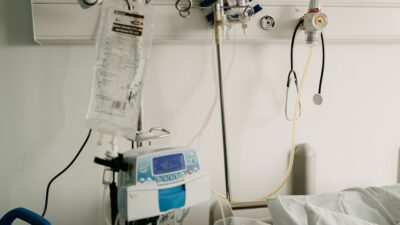
Surgery and diabetes management is a coordinated plan that starts weeks before the procedure and continues through discharge — pre-operative A1C optimization, drug-specific holds for metformin, SGLT2 inhibitors, and GLP-1 receptor agonists, perioperative glucose targets of 140 to 180 mg/dL, and a structured restart of medications during recovery. Done well, it prevents wound infections, hypoglycemia, ketoacidosis, and prolonged hospital stays.
Why Diabetes Changes Surgical Risk
- Hyperglycemia (over 180 mg/dL) impairs neutrophil function, raising wound infection risk 2 to 3 fold
- Hyperglycemia impairs collagen synthesis, slowing wound healing
- Surgical stress raises counter-regulatory hormones and increases insulin requirements 20 to 50 percent
- Anesthesia and fasting disrupt the usual insulin-food-activity balance
- Underlying complications (cardiac disease, neuropathy, nephropathy) raise perioperative risk independently
- Hypoglycemia under anesthesia is silent — patients cannot report symptoms
Pre-Operative Evaluation Timeline
| Timing | Tasks |
|---|---|
| 6–12 weeks before | A1C check; optimize to target if elective; cardiac evaluation if indicated; dental clearance if implant surgery |
| 2–4 weeks before | Surgical pre-op clinic; medication reconciliation; plan drug holds; confirm anesthesia plan |
| 1 week before | Stop GLP-1 receptor agonists; confirm fasting instructions; arrange post-op support |
| 3 days before | Stop SGLT2 inhibitors; clear-fluid timing; continue most insulin |
| 1 day before | Take half usual basal insulin at bedtime; eat per fasting plan; check glucose every 4 hours |
| Day of surgery | Hold metformin, sulfonylureas, short-acting insulin; bring meter, glucagon, medication list |
Drug-Specific Pre-Operative Holds
| Medication | Hold Timing | Reason |
|---|---|---|
| Metformin | Morning of surgery | Lactic acidosis risk with NPO status and possible contrast |
| SGLT2 inhibitors (empagliflozin, dapagliflozin, canagliflozin, ertugliflozin) | 3 days before | Euglycemic DKA risk during fasting and surgical stress |
| GLP-1 receptor agonists (semaglutide, tirzepatide, dulaglutide, liraglutide) | ≥1 week before (per ASA 2023) | Delayed gastric emptying — aspiration risk during anesthesia |
| Sulfonylureas (glipizide, glimepiride, glyburide) | Morning of surgery | Hypoglycemia risk while NPO |
| Meglitinides (repaglinide, nateglinide) | Morning of surgery | Same — taken with meals |
| Long-acting basal insulin (glargine, detemir, degludec) | Take 50–80% night before | Avoid intra-op hypoglycemia while maintaining basal |
| Rapid-acting insulin (lispro, aspart, glulisine) | Hold morning of surgery | Hypoglycemia while NPO |
| NPH insulin | Take 50% morning dose | Cover background needs |
| DPP-4 inhibitors (sitagliptin, linagliptin, etc.) | Continue or hold day-of (low risk) | Minimal hypoglycemia risk |
| Pioglitazone | Continue or hold day-of | No acute peri-op concern |
Day-of-Surgery Glycemic Management
- Check fingerstick glucose on arrival
- Target 140 to 180 mg/dL intra-operatively (110 to 140 in some cardiac protocols)
- Hypoglycemia (under 70 mg/dL): IV dextrose 25 g (50 mL D50)
- Hyperglycemia (over 180 mg/dL): IV insulin infusion or subcutaneous correction
- Continuous glucose monitoring (CGM) increasingly used — but verify with fingerstick in OR
- Insulin pump management: continue basal in some facilities; switch to IV insulin in others
- Communicate with anesthesia about pump status and CGM sensor location
Perioperative Insulin Strategies
| Setting | Preferred Insulin Strategy |
|---|---|
| Outpatient minor procedure | Reduced basal night before; hold short-acting; resume normal regimen with first meal |
| Ward-level inpatient surgery | Basal-bolus subcutaneous; correction scale for hyperglycemia |
| Cardiac surgery / CABG | IV insulin infusion intra-op and 24–48 h post-op; target 110–140 mg/dL |
| ICU surgical patient | IV insulin infusion; transition to subcutaneous when stable |
| Type 1 diabetes, any major surgery | IV insulin infusion preferred to avoid DKA from missed basal |
| Patients on insulin pump | Facility-specific protocol — pump continues or switches to IV insulin |
Avoid Sliding Scale Alone
Sliding scale insulin alone — giving rapid-acting insulin only in response to high glucose — is inferior to scheduled basal-bolus regimens for most inpatients. The RABBIT-2 trial (and many subsequent studies) showed basal-bolus reduces post-operative complications, length of stay, and ICU transfers compared to sliding scale alone. Sliding scale can be used as a correction layer on top of scheduled basal-bolus dosing, but not as the primary regimen.
Post-Operative Recovery
- Resume oral diet gradually — first sips, then clear liquids, then full diet
- Restart basal insulin (or basal oral if appropriate) early to prevent ketosis
- Resume metformin when eating, drinking, urinating normally for 24 hours
- Resume SGLT2 inhibitors only when fully recovered, eating normally, and renal function stable
- Resume GLP-1 receptor agonists when tolerating solid food well
- Discharge medication reconciliation: written list of restart timing
- Follow-up appointment within 1 to 2 weeks for medication titration
- Wound care education emphasizing diabetes-specific signs of infection
Special Surgical Situations
| Procedure Type | Key Considerations |
|---|---|
| Joint replacement | Strict A1C <7.5%; wound infection adds months of recovery |
| Cardiac surgery | IV insulin protocol; tighter targets; longer recovery |
| Bariatric surgery | Often improves or remits diabetes; medication doses drop rapidly post-op |
| Eye surgery (cataract, retinal) | Local anesthesia usually; minimal med changes; tight pre-op control reduces retinal complications |
| Gastrointestinal surgery | Prolonged NPO; IV insulin until full feeds resumed; risk of dumping syndrome |
| Emergency surgery | Proceed regardless of A1C; intensive intra-op management; check ketones |
| Outpatient minor (skin lesions, etc.) | Most diabetes meds continue; light snack post-procedure |
Wound Healing and Infection Risk
- Keep glucose 140 to 180 mg/dL for first 72 hours post-op — strongest evidence for reducing infection
- Watch for redness expanding beyond 1 cm of incision, warmth, drainage, fever
- Diabetic foot ulcers and lower-extremity surgery need particularly close glucose control
- Glycemic excursions (variability) may matter as much as mean glucose for healing
- Nutrition matters — protein intake supports healing
Anesthesia Considerations
- Autonomic neuropathy can mask hypotension under anesthesia — anesthesiologist needs to know
- Gastroparesis raises aspiration risk — extended fasting may be needed
- Cardiac autonomic neuropathy raises intra-op cardiac event risk
- GLP-1 receptor agonist users need extended fasting or hold per ASA advisory
- Insulin pumps and CGM sensors location must be communicated
Related Topics
For peri-operative inpatient context see our guide to hospital diabetes management and our notes on contrast media and metformin. For broader pre-procedure A1C context, see A1C levels.
The Bottom Line
Surgery and diabetes management succeeds when planning starts weeks in advance. Optimize A1C to below 8 percent (ideally below 7.5 percent for major procedures), plan drug-specific holds — metformin and sulfonylureas day-of, SGLT2 inhibitors 3 days before, GLP-1 receptor agonists at least 1 week before per the 2023 ASA advisory — and aim for perioperative glucose 140 to 180 mg/dL. Use basal-bolus or IV insulin infusion rather than sliding scale alone, restart medications systematically only when eating and stable, and follow up within 1 to 2 weeks. Patients who get this coordination right have fewer wound infections, shorter hospital stays, and faster return to baseline.