High A1C symptoms often develop so slowly that people miss them. The classic signs include excessive thirst, frequent urination, unexplained fatigue, blurred vision, slow-healing cuts, and tingling in the feet. Many people with an elevated A1C have no symptoms at all, especially in the prediabetes range — which is why routine screening is essential.
Why A1C and Symptoms Do Not Always Line Up
A1C reflects your average blood glucose over the past 2-3 months. Symptoms, on the other hand, are driven by how high glucose climbs at any given moment. Someone with an A1C of 6.0% may spike into the 200s after big meals without sustained symptoms, while someone with an A1C of 8.5% may feel exhausted most days.
| A1C | Estimated Average Glucose | Typical Symptom Level |
|---|---|---|
| 5.7-6.4% (prediabetes) | 117-140 mg/dL | Usually none |
| 6.5-7.5% (early diabetes) | 140-170 mg/dL | Subtle or none |
| 7.5-9.0% | 170-212 mg/dL | Intermittent symptoms |
| 9.0-11.0% | 212-270 mg/dL | Frequent symptoms |
| 11.0%+ | 270+ mg/dL | Marked symptoms, possible emergency |
Review our A1C levels resource for more detail on how these numbers translate.
Classic Symptoms of High A1C
Excessive Thirst (Polydipsia)
When blood glucose rises above the kidneys’ reabsorption threshold — roughly 180 mg/dL — sugar spills into urine, pulling water with it. The resulting dehydration triggers persistent thirst that is not satisfied by normal water intake.
Frequent Urination (Polyuria)
The same process that causes thirst causes increased urination. Waking up multiple times at night to urinate (nocturia) is a common early clue. Volume is often larger than usual, not just more frequent trips.
Unexplained Fatigue
When insulin signaling is impaired, cells cannot efficiently use glucose for energy. Fatigue is often worse after carbohydrate-heavy meals. Poor sleep from nighttime urination compounds the problem.
Blurred Vision
High glucose draws water into the lens of the eye, temporarily changing its shape. Vision typically returns to normal within a few weeks of getting glucose under control. Long-term high A1C also increases risk of diabetic retinopathy, a more serious complication.
Slow-Healing Cuts and Frequent Infections
Elevated glucose impairs immune function and microcirculation. Skin infections, yeast infections, urinary tract infections, and slow wound healing can all be clues. The feet are especially vulnerable.
Increased Hunger (Polyphagia)
Cells that cannot use glucose efficiently send hunger signals, especially when insulin resistance is significant.
Unintended Weight Changes
In type 1 diabetes or severe insulin deficiency, the body burns fat and muscle for energy, causing weight loss. In type 2 diabetes, gradual weight gain is more typical, though weight loss can occur with very high glucose.
Numbness or Tingling
Peripheral neuropathy often starts with subtle pins-and-needles or burning in the feet. It can develop after years of high glucose, but changes have been documented even in prediabetes. Our prediabetes symptoms hub covers these early signs.
Dry, Itchy Skin
Dehydration and poor circulation can produce chronically dry skin, especially on the lower legs. Dark patches in body folds (acanthosis nigricans) can signal insulin resistance.
Less Obvious Signs
- Recurrent yeast infections (vaginal or oral)
- Fruity-smelling breath (urgent — can signal ketoacidosis)
- Irritability and difficulty concentrating
- Muscle aches or cramps
- Gum disease and bleeding when brushing
- Sexual dysfunction in men and women
- Delayed gastric emptying causing bloating or nausea
Red Flags Requiring Immediate Care
According to the CDC’s diabetes symptoms overview, seek immediate medical attention for:
- Fruity-smelling breath
- Deep, rapid breathing
- Severe abdominal pain, nausea, or vomiting
- Confusion or altered mental status
- Extreme thirst with dehydration
- Blood glucose readings above 300 mg/dL with symptoms
These can signal diabetic ketoacidosis or hyperosmolar hyperglycemic state — medical emergencies that typically require hospital care.
Why Many People Have No Symptoms
Glucose can rise gradually over years, and the body adapts. Many people are diagnosed only after routine bloodwork, during screening for another condition, or when complications appear. The American Diabetes Association recommends screening for:
- All adults starting at age 35 (earlier if risk factors are present)
- Adults of any age who are overweight/obese with one or more risk factors
- People with a history of gestational diabetes or polycystic ovary syndrome
- Pregnant women per obstetric guidelines
What to Do if You Notice Symptoms
- Schedule an appointment with your primary care clinician.
- Ask for an A1C, fasting plasma glucose, or oral glucose tolerance test.
- Keep notes on symptoms, frequency, and triggers.
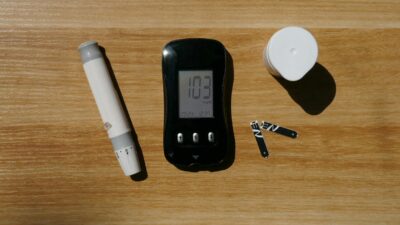
- Check a home glucose meter if one is available — mornings and 2 hours post-meal.
- Avoid drastic diet changes before testing unless instructed; they can affect results.
If diagnosed, our treatment hub summarizes options.
How Quickly Symptoms Resolve With Treatment
Symptoms usually improve in a predictable sequence once glucose comes down:
- Days to weeks: Thirst, urination, and energy improve
- Weeks: Blurred vision stabilizes (may temporarily worsen as lens adjusts)
- Months: Infections become less frequent; skin heals
- Months to years: Neuropathy symptoms may improve partially; some damage is permanent
Preventing High A1C Progression
For prediabetes, structured lifestyle change has been shown to reduce progression to type 2 diabetes by roughly half over several years. For established diabetes, the combination of lifestyle measures, medications, and regular monitoring keeps most people in target range. Learn more about reversibility in our prediabetes reversibility guide.
The Bottom Line
High A1C symptoms are easy to miss because they evolve slowly and many people have none at all. Thirst, urination, fatigue, blurred vision, and slow healing are the hallmarks, but the absence of symptoms never rules out elevated A1C. If you have risk factors or notice any of these signs, talk with your clinician about testing. Early action can prevent complications and, for many, reverse the trajectory.