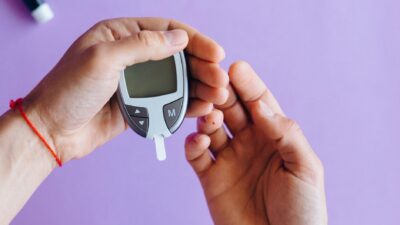
Insulin resistance symptoms in females can be subtle — persistent fatigue, belly fat that will not budge, sugar cravings, irregular periods, adult acne, or dark velvety skin patches on the neck. Because many of these overlap with other conditions, women often go years without a diagnosis. Recognizing the early warning signs and asking for the right blood tests can help you act before insulin resistance progresses to prediabetes or type 2 diabetes.
What Is Insulin Resistance?
Insulin is the hormone that moves glucose from your bloodstream into your muscle, liver, and fat cells. In insulin resistance, those cells respond poorly, so the pancreas produces more insulin to compensate. High circulating insulin promotes abdominal fat storage, raises blood pressure, and eventually leads to elevated blood sugar.
According to the National Institute of Diabetes and Digestive and Kidney Diseases, insulin resistance is the underlying driver of prediabetes, type 2 diabetes, and metabolic syndrome.
Common Insulin Resistance Symptoms in Females
Physical Symptoms
- Belly fat that resists weight loss: Especially fat carried around the middle rather than hips and thighs
- Persistent fatigue after meals: A heavy “food coma” feeling one to two hours after eating carbs
- Sugar cravings: Strong afternoon or post-meal cravings for sweets or refined carbs
- Difficulty losing weight despite calorie-counting and exercise
- Brain fog and trouble concentrating after meals
Skin Signs
- Acanthosis nigricans: Dark, velvety patches on the back of the neck, armpits, or groin
- Skin tags: Clusters of small fleshy growths, often on the neck or under the arms
- Adult acne: Particularly along the jawline and chin, linked to hormone shifts from high insulin
- Excess facial or body hair (hirsutism): Often seen alongside PCOS-related insulin resistance
Hormonal and Menstrual Symptoms
- Irregular, missed, or heavier-than-usual periods
- Difficulty getting pregnant
- Hair thinning on the scalp
- Mood swings or increased premenstrual symptoms
Other Warning Signs
- High blood pressure (130/85 mmHg or higher)
- High triglycerides or low HDL cholesterol on blood work
- Increased thirst or more frequent urination (as insulin resistance progresses)
- Recurring yeast infections or UTIs
For a broader look at related warning signs, see our prediabetes symptoms guide.
The PCOS Connection
Polycystic ovary syndrome (PCOS) is the most common hormonal disorder in women of reproductive age, affecting about 1 in 10. A landmark review in Endocrine Reviews found that roughly 70% of women with PCOS also have insulin resistance. High insulin drives the ovaries to produce more testosterone, which causes the classic PCOS signs of acne, hirsutism, irregular periods, and scalp hair thinning.
If you have PCOS, screening for insulin resistance and prediabetes is especially important. Many doctors prescribe metformin to reduce insulin levels, which often improves both glucose metabolism and PCOS symptoms at the same time.
How Insulin Resistance Symptoms Differ from Normal Fatigue
| Symptom | Insulin Resistance | Normal Tiredness |
|---|---|---|
| Timing of fatigue | Worst after carb-heavy meals | End of day or after exertion |
| Weight pattern | Central / belly weight gain | Even distribution or no gain |
| Cravings | Strong sugar and refined-carb urges | Occasional hunger |
| Skin changes | Acanthosis nigricans, skin tags, adult acne | None specific |
| Menstrual impact | Irregular cycles common | Stable cycles |
Testing: How Doctors Confirm Insulin Resistance
Your doctor may order:
- Fasting plasma glucose: 100-125 mg/dL suggests prediabetes
- A1C: 5.7-6.4% indicates prediabetes
- Fasting insulin: Elevated levels (usually >10-15 μIU/mL) suggest insulin resistance
- HOMA-IR score: Calculated from fasting glucose and insulin; values above 2.0 suggest resistance
- Lipid panel: High triglycerides and low HDL are red flags
- Oral glucose tolerance test: Useful in PCOS and unclear cases
What to Do Next
If you notice several of these symptoms, schedule an appointment with your primary care doctor or gynecologist. While waiting for your visit, start these evidence-based changes:
- Aim for 150 minutes of moderate exercise per week. Muscle contraction directly improves insulin sensitivity.
- Build meals around protein, non-starchy vegetables, and healthy fats. Reduce refined carbs and added sugar.
- Lose 5-10% of body weight if needed. This small loss dramatically improves insulin sensitivity.
- Prioritize 7-9 hours of sleep. Short sleep worsens insulin resistance.
- Manage stress: Chronic cortisol elevation impairs insulin sensitivity.
Explore meal ideas in our diet and nutrition hub. The encouraging news is that early insulin resistance is highly reversible — see our guide on whether prediabetes is reversible for details.
When to See a Doctor Urgently
Schedule a sooner visit if you experience:
- Unexplained weight loss (possible progression to diabetes)
- Frequent urination and extreme thirst
- Blurred vision
- Recurring infections
- Missed periods for 3+ months if not pregnant
The Bottom Line
Insulin resistance symptoms in females often include fatigue, abdominal weight gain, sugar cravings, acanthosis nigricans, irregular periods, and adult acne. These can progress silently into prediabetes and type 2 diabetes if unaddressed. Fasting glucose, A1C, and fasting insulin tests can confirm the diagnosis. The good news is that modest weight loss, a Mediterranean-style diet, and regular exercise reverse insulin resistance in most women within 6-12 months. If several of these symptoms sound familiar, talk with your doctor about getting tested.