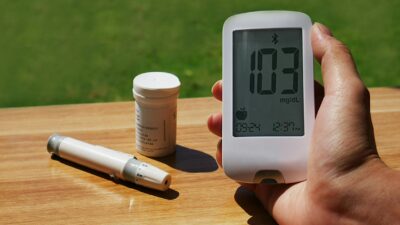
What causes glucose spikes is usually a mix of what you eat, how your body handles carbohydrates, and non-food factors like sleep, stress, and medications. Every spike shares the same underlying mechanic: glucose enters the bloodstream faster than insulin can clear it into cells. Understanding the specific drivers helps you predict and prevent the sharpest rises.
The Biology of a Spike
After you eat carbohydrates, enzymes break starches and sugars into glucose, which absorbs through the small intestine into the blood. The pancreas releases insulin to move that glucose into muscle, liver, and fat cells. If insulin release is fast and cells respond well, blood sugar rises briefly and returns to baseline. If either step lags — low insulin output or high insulin resistance — glucose stays higher for longer, producing a measurable spike.
People with prediabetes typically have both delayed insulin release and reduced sensitivity, which is why post-meal peaks tend to be higher and prolonged compared with healthy baseline metabolism.
Dietary Causes
1. Refined Carbohydrates
White bread, white rice, instant oatmeal, rice cakes, crackers, and most packaged breakfast cereals digest rapidly. Their glycemic index often sits between 70 and 90, producing sharp rises within 30 to 60 minutes.
2. Sugary Drinks
Soda, fruit juice, sweetened coffee drinks, sports drinks, and energy drinks deliver 20 to 60 grams of sugar in liquid form with no fiber. They are among the fastest glucose-raising foods available and are a top contributor to large spikes.
3. Large Portion Sizes
Even low-glycemic foods become spike triggers at high portions. A 3-cup serving of quinoa has 117 grams of carbohydrate, which taxes insulin the way a small piece of cake would.
4. Low-Fiber, Low-Protein Meals
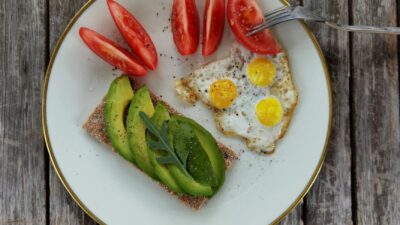
Carbohydrates eaten alone — a plain bagel, a bowl of cereal with skim milk — absorb faster than the same carbs paired with eggs, nuts, avocado, or Greek yogurt.
5. Alcohol With Mixers
Margaritas, daiquiris, and sweet wines deliver concentrated sugar. Straight spirits or dry wine raise glucose less, though alcohol can unpredictably lower glucose hours later.
Non-Dietary Causes
Sleep Loss
A single night of 4 to 5 hours of sleep can reduce next-day insulin sensitivity by around 25 percent in controlled studies, raising both fasting and post-meal glucose.
Stress and Cortisol
Psychological stress, physical pain, and the morning cortisol surge (dawn phenomenon) can elevate glucose by 20 to 70 mg/dL without any food involved.
Illness and Infection
Colds, flu, COVID-19, and other infections release inflammatory cytokines that increase insulin resistance. Glucose often rises during illness and returns to normal after recovery.
Medications
Steroids (prednisone, dexamethasone), some antipsychotics (olanzapine, clozapine), thiazide diuretics, niacin, and certain HIV medications can raise glucose. Ask your pharmacist if any of your prescriptions are known to affect blood sugar.
Sedentary Time After Meals
Sitting for an hour after eating allows glucose to accumulate because resting muscles do not pull much of it in. Even a short walk can change the curve substantially.
Dehydration
Low fluid intake concentrates blood glucose and slows its clearance, so mild dehydration may read 10 to 20 mg/dL higher than a well-hydrated state.
How Different Foods Compare
| Food (typical portion) | Approx. Spike Potential | Why |
|---|---|---|
| Soda, 12 oz | Very high | 40 g of liquid sugar, no fiber |
| White bagel | High | 55 g refined carbs, low protein |
| White rice, 1 cup | High | GI around 73 |
| Instant oatmeal, 1 packet | Moderate-high | Quick-digesting and often sweetened |
| Apple with peanut butter | Moderate | Fiber and fat slow absorption |
| Quinoa with chicken and vegetables | Low-moderate | Protein, fiber, balanced portion |
| Greek yogurt with berries and nuts | Low | High protein, modest carbs |
| Eggs and avocado on whole-grain toast | Low | Protein and healthy fat balance |
Evidence-Based Ways to Blunt a Spike
- Walk 10 to 15 minutes within 30 minutes of eating — published trials show 20 to 40 percent reductions in post-meal glucose.
- Eat protein and vegetables first, then carbohydrates last in the meal.
- Include a tablespoon of vinegar in salad dressing or diluted in water; several small studies show modest spike reduction.
- Choose intact whole grains such as steel-cut oats, barley, or quinoa over refined versions.
- Add fiber-rich starters like a salad, vegetable soup, or legumes at the beginning of the meal.
- Stay hydrated — aim for pale-yellow urine as a rough guide.
- Prioritize sleep and stress management as daily habits, not just on bad days.
When to Worry
Occasional small spikes are normal. Contact your clinician if you see:
- Consistent post-meal readings above 180 mg/dL.
- Fasting readings repeatedly above 126 mg/dL.
- Readings above 250 to 300 mg/dL with symptoms such as excessive thirst, urination, nausea, or confusion.
- Unexplained upward trend over 4 to 12 weeks of stable habits.
Our diet and nutrition guide has additional meal-planning strategies for anyone trying to flatten post-meal glucose.
The Bottom Line
Glucose spikes reflect the tug-of-war between incoming carbohydrate and your body’s insulin response. Refined carbs, sugary drinks, oversized portions, sleep loss, stress, illness, and certain medications are the biggest drivers. Small targeted changes — walking after meals, adding fiber and protein, prioritizing sleep, and spotting medication effects — can flatten the curve and protect your long-term metabolic health.
Medical Disclaimer: This article is for informational purposes only and does not constitute medical advice. Always consult a qualified healthcare professional about any medical condition, device, or treatment plan.