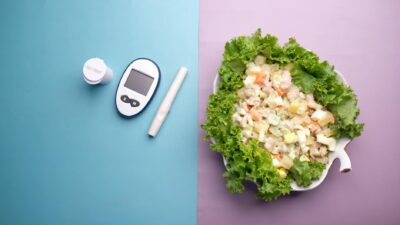
Yes, insulin resistance can often be reversed, especially in its early stages, through a combination of weight loss, regular physical activity, and dietary change. Many people see measurable improvements in fasting insulin, fasting glucose, and HOMA-IR (the homeostatic model assessment of insulin resistance) within 4 to 12 weeks of starting a structured program. Full reversal typically takes 3 to 12 months and is most likely when weight loss reaches 5 to 10 percent of starting body weight and physical activity becomes a sustained habit.
What Insulin Resistance Is
Insulin is the hormone your pancreas releases after meals to move glucose from the bloodstream into muscle, fat, and liver cells. Insulin resistance is the state in which those cells respond less efficiently to insulin’s signal. The pancreas compensates by producing more insulin, which keeps blood glucose normal at first but raises fasting insulin levels. Over time, the pancreas may no longer keep up, blood glucose rises, and prediabetes and type 2 diabetes develop. The American Diabetes Association’s Standards of Care classify prediabetes by A1C 5.7 to 6.4 percent, fasting glucose 100 to 125 mg/dL, or 2-hour OGTT glucose 140 to 199 mg/dL.
The Timeline of Reversal
| Time Frame | What Typically Happens |
|---|---|
| Days 1 to 7 | Each bout of exercise improves insulin sensitivity in muscle for 24 to 48 hours. Reducing refined carbohydrates lowers post-meal glucose spikes. |
| Weeks 2 to 8 | Fasting insulin starts to decrease. Modest weight loss (2 to 5 percent) begins to reduce visceral fat and improve insulin signaling. |
| Months 3 to 6 | A1C drops 0.3 to 1.0 percentage points for many people. HOMA-IR often returns toward normal range. Fasting glucose normalizes in many cases. |
| Months 6 to 12 | Sustained 5 to 10 percent weight loss can reverse prediabetes and restore normal insulin sensitivity for many people. |
| Beyond 12 months | Maintenance phase. Continued lifestyle adherence is required to keep insulin resistance reversed. |
What the Diabetes Prevention Program Showed
The landmark Diabetes Prevention Program (DPP), published in the New England Journal of Medicine, randomized 3,234 adults with prediabetes to placebo, metformin, or an intensive lifestyle intervention aimed at 7 percent weight loss and at least 150 minutes of physical activity per week. After an average of 2.8 years, the intensive lifestyle group reduced their incidence of type 2 diabetes by 58 percent compared with placebo. Metformin reduced incidence by 31 percent. The CDC’s National Diabetes Prevention Program is built on these findings and is widely available across the US.
Factors That Help Reverse Insulin Resistance
1. Weight Loss
For people with overweight or obesity, weight loss is the single most powerful intervention. Loss of 5 percent of body weight reduces visceral fat, improves liver insulin sensitivity, and lowers fasting insulin. Loss of 10 percent or more often produces near-complete reversal in early-stage cases.
2. Aerobic Exercise
Walking, cycling, swimming, or any moderate-intensity activity for at least 150 minutes per week improves muscle glucose uptake. Each session has an acute effect lasting 24 to 48 hours, and regular training builds chronic improvements.
3. Resistance Training
Two to three sessions per week of strength training increase muscle mass and the GLUT4 transporters that move glucose into muscle. Resistance training is particularly important during weight loss to preserve lean mass.
4. Dietary Pattern
Mediterranean, low-carbohydrate, and DASH eating patterns all improve insulin sensitivity in studies. Common features include vegetables, lean protein, healthy fats from olive oil and nuts, whole grains in moderation, and minimal added sugar and refined starch. See our diet and nutrition hub for specifics.
5. Sleep Quality
Short sleep duration (less than 6 hours per night) and untreated obstructive sleep apnea both worsen insulin resistance. Aim for 7 to 9 hours of consistent sleep, and screen for sleep apnea if you snore loudly or wake unrefreshed.
6. Stress Management
Chronic stress elevates cortisol, which promotes insulin resistance and visceral fat storage. Mindfulness, exercise, and adequate sleep all help.
Factors That Make Reversal Harder
- Duration of insulin resistance. Longer-standing resistance is harder to reverse because beta-cell function declines over time.
- Genetics. Family history of type 2 diabetes increases susceptibility.
- Age. Insulin sensitivity declines naturally with age, particularly after 50.
- Polycystic ovary syndrome (PCOS). PCOS is intimately linked to insulin resistance and may require additional medical management.
- Medications. Glucocorticoids, some antipsychotics, certain antiretrovirals, and beta-blockers can worsen insulin resistance.
- Untreated sleep apnea. Treating OSA improves insulin sensitivity.
- Significant abdominal obesity. Visceral fat is metabolically active and drives resistance.
When Medication Helps
If lifestyle change alone is not enough, several medications can improve insulin sensitivity or compensate for it. Metformin remains a first-line choice for prediabetes and type 2 diabetes; it reduces hepatic glucose output and modestly improves peripheral insulin sensitivity. GLP-1 receptor agonists such as semaglutide (Ozempic, Wegovy) and tirzepatide (Mounjaro, Zepbound) drive weight loss that secondarily improves insulin sensitivity. SGLT2 inhibitors lower glucose by promoting urinary excretion. Bariatric surgery, particularly Roux-en-Y gastric bypass and sleeve gastrectomy, produces the largest and most durable improvements in severe cases. Treatment selection depends on your medical history, weight, comorbidities, and insurance coverage. See our treatment hub for a broader overview.
How to Track Reversal
Useful biomarkers include:
- A1C: The 3-month average of blood glucose. Target less than 5.7 percent for normal range.
- Fasting glucose: Less than 100 mg/dL is normal; 100 to 125 is prediabetes.
- Fasting insulin: Often used to estimate insulin resistance directly.
- HOMA-IR: Calculated from fasting glucose and fasting insulin; values above 2.5 to 3.0 generally indicate insulin resistance.
- Triglyceride to HDL ratio: A ratio above 3.5 (or 2 in some populations) suggests insulin resistance.
- Waist circumference: Reductions correlate with visceral fat loss.
For more on A1C interpretation, see our overview of A1C levels.
The Bottom Line
Insulin resistance is highly responsive to lifestyle change, particularly in its early stages. Sustained weight loss of 5 to 10 percent, regular aerobic and resistance training, a Mediterranean or lower-carbohydrate eating pattern, adequate sleep, and stress management can reverse insulin resistance for many people within 3 to 12 months. When lifestyle change alone is not enough, metformin and GLP-1 receptor agonists offer additional support. Talk with your clinician about a personalized plan, baseline labs, and a follow-up schedule that lets you measure progress.
Medical disclaimer: This article is for informational purposes only and does not constitute medical advice. Always consult a qualified healthcare professional before starting, stopping, or changing any medication or treatment plan.