The thigh is one of three FDA-approved sites for injecting tirzepatide (Mounjaro and Zepbound), along with the abdomen and the back of the upper arm. The recommended thigh zone is the front and outer middle third of the leg, at least a hand-width below the hip crease and above the top of the kneecap. Use a 90-degree angle, rotate sites within the zone, and follow the prescribing information that comes with your pen.
The Approved Tirzepatide Injection Sites
According to the FDA-approved prescribing information for Mounjaro and Zepbound (both tirzepatide), the medication is given as a once-weekly subcutaneous injection in any of three sites:
- The abdomen, at least 2 inches away from the navel
- The front and outer thigh
- The back of the upper arm (typically administered by a caregiver)
All three sites provide equivalent absorption for tirzepatide. The choice is based on personal preference, body fat distribution, and the need to rotate sites to avoid skin reactions or lipohypertrophy (firm lumps under the skin).
Mapping the Thigh Injection Zone
Picture your thigh divided into thirds from hip to knee. The middle third is the recommended injection zone. Within that middle third, the safest area is on the front (anterior) and outer (lateral) surface. Avoid the inner thigh (closer to large blood vessels and the femoral nerve) and the back of the thigh (closer to the sciatic nerve and harder to inject yourself).
To find the zone:
- Sit down. The thigh is easier to access in a seated position.
- Place one hand at the top of your kneecap and the other at the hip crease.
- The middle area between your hands is the injection zone.
- Within that zone, choose a spot on the front or outer side of the thigh, at least a hand-width away from the knee and the hip.
Site Rotation Strategy
Rotating injection sites is critical to prevent the gradual buildup of fibrous scar tissue or fatty lumps (lipohypertrophy) that can change how the medication absorbs. Best practices:
- Within the same site, move at least one inch from the previous injection spot.
- Alternate between left and right thigh from week to week.
- Cycle among the three approved sites: thigh, abdomen, and upper arm.
- Keep a simple log or use the rotation tracker in many diabetes apps to remember where you last injected.
Many people use a four-spot grid pattern within the thigh, dividing the safe zone into quadrants and using a different one each week.
Step-by-Step Thigh Injection Technique
- Wash your hands thoroughly with soap and water.
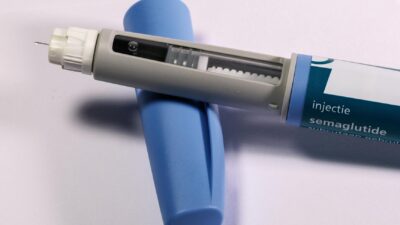
- Inspect the pen. Take the tirzepatide pen out of the refrigerator. Check the expiration date and look at the medication through the inspection window. It should be clear, colorless to slightly yellow, with no particles. (Some new tirzepatide vials and pens may be at room temperature for up to 21 days; check your specific product label.)
- Sit down in a chair. The seated position relaxes the thigh muscle and exposes the injection zone.
- Choose your spot in the middle third of the front or outer thigh, at least one inch from the previous injection.
- Clean the skin with an alcohol swab and let it air-dry to reduce stinging.
- Remove the base cap from the pen.
- Press the pen flat against the skin at a 90-degree angle. If you have very little subcutaneous fat, gently pinch a fold of skin and fat first.
- Press and hold the injection button until you hear a click and a second click after a few seconds. The full dose typically delivers in 5 to 10 seconds.
- Lift the pen straight up after the click. Apply gentle pressure with a clean cotton ball if there is any bleeding; do not rub.
- Dispose of the used pen in an FDA-cleared sharps container.
What to Avoid
- Bruised, tender, or red areas: Wait until the skin has healed before injecting in the same spot.
- Scars, moles, stretch marks, or tattoos: Absorption may be erratic.
- Areas with lumps or hardness: A sign of lipohypertrophy from repeated injections.
- Inner thigh or back of thigh: Outside the safe injection zone.
- Within 2 inches of the kneecap or hip crease: Less subcutaneous fat and more pain.
- Through clothing: Always inject into bare, clean skin.
Choosing Between Thigh, Abdomen, and Arm
| Site | Pros | Cons |
|---|---|---|
| Abdomen | Easiest to see; most subcutaneous fat for most adults; convenient for self-injection | Limited surface area if very lean; some find it more uncomfortable |
| Thigh | Easy to self-inject while seated; good rotation option; private | More nerve-rich than abdomen for some; need to identify the correct zone |
| Back of upper arm | Well-rounded site; less likely to develop lipohypertrophy | Hard to self-inject; usually requires a caregiver |
What to Expect After the Injection
Mild redness, warmth, or a small bump at the injection site is common and resolves within hours to a day. A small bruise occasionally appears, especially if you are on blood thinners. Severe pain, large swelling, hot or hard areas, or signs of infection (fever, spreading redness) warrant a call to your prescriber. For broader background on what tirzepatide does and what to expect from treatment, see our treatment hub.
Storage and Handling Reminders
- Refrigerate unused pens between 36 and 46 degrees Fahrenheit (2 to 8 degrees Celsius).
- Do not freeze the pen; discard if frozen.
- Pens may be kept at room temperature (up to 86 F or 30 C) for up to 21 days, after which any unused product should be discarded.
- Protect from light by keeping in the original carton.
Always read the medication guide that comes with your pen and follow your prescriber’s instructions if they differ from general guidance.
The Bottom Line
The thigh is a safe, accessible, FDA-approved site for tirzepatide injection. Use the front and outer middle third of the thigh, rotate within the zone and across sites, and inject at a 90-degree angle into clean, healthy skin. Pinch a fold if you are lean. Always follow the manufacturer’s pen instructions and your clinician’s guidance, and contact your prescriber with any concerns about technique, side effects, or dose changes.