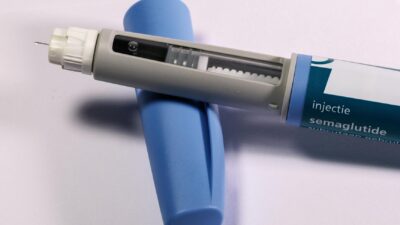
Yes, Wegovy works for most adults who take it as prescribed, with pivotal trial data showing average body weight loss around 15% over 68 weeks. The question of does Wegovy work has been answered across tens of thousands of participants in randomized trials and real-world studies, though response is not uniform.
What Wegovy Is and How It Produces Weight Loss
Wegovy is the trade name for semaglutide injected once weekly at a maintenance dose of 2.4 mg. Semaglutide is a GLP-1 receptor agonist, a class of drugs that mimics an intestinal hormone released after eating. Activating GLP-1 receptors slows gastric emptying, increases satiety signaling in the hypothalamus, and reduces reward-driven eating.
The FDA approved Wegovy for chronic weight management in 2021 for adults with a BMI of 30 or higher, or 27 or higher with at least one weight-related condition such as hypertension, type 2 diabetes, or dyslipidemia. A 2024 label expansion added reduction in the risk of major cardiovascular events in adults with established cardiovascular disease and obesity.
STEP 1: The Headline Efficacy Trial
The STEP 1 trial enrolled 1,961 adults with obesity or overweight and at least one comorbidity, excluding diabetes. Participants were randomized 2:1 to Wegovy or placebo for 68 weeks, both paired with lifestyle counseling. Mean baseline weight was about 105 kg.
Mean body weight change was minus 14.9% with Wegovy versus minus 2.4% with placebo, a treatment difference near 12.4 percentage points. The divergence emerged by week 4 and continued until roughly week 60. Secondary endpoints favored Wegovy across waist circumference, systolic blood pressure, HbA1c, and C-reactive protein.
Response Rate Breakdown
Averages hide meaningful variation. The table below summarizes the proportion of STEP 1 participants reaching different weight loss thresholds on Wegovy versus placebo.
| Weight Loss Threshold | Wegovy | Placebo | Absolute Difference |
|---|---|---|---|
| At least 5% | 86.4% | 31.5% | 54.9 pts |
| At least 10% | 69.1% | 12.0% | 57.1 pts |
| At least 15% | 50.5% | 4.9% | 45.6 pts |
| At least 20% | 32.0% | 1.7% | 30.3 pts |
| Less than 5% (non-responder) | 13.6% | 68.5% | not applicable |
STEP 4: What Happens After Stopping
STEP 4 examined weight regain after withdrawal. All 803 participants took Wegovy during a 20-week run-in and reached an average 10.6% loss. They were then randomized to continue or switch to placebo for another 48 weeks. The continuation arm lost an additional 7.9%, while the placebo switch arm regained 6.9%. The trial reinforced that Wegovy, like most chronic weight management drugs, works while taken but does not cure the underlying biology of obesity.
Cardiovascular and Metabolic Benefits Beyond the Scale
The SELECT trial followed 17,604 adults with overweight or obesity and established cardiovascular disease but without diabetes for a median of 40 months. Wegovy reduced the composite of nonfatal myocardial infarction, nonfatal stroke, or cardiovascular death by 20% relative to placebo. Benefits appeared before much of the weight loss accumulated, suggesting mechanisms beyond weight alone.
Mean HbA1c fell by about 0.4 percentage points, and roughly 84% of STEP 1 participants with prediabetes at baseline returned to normoglycemia by week 68. For readers exploring prediabetes treatment options, this glycemic effect is clinically important.
Who Responds Less Well
Post-hoc analyses have not identified a single reliable predictor of response. Patterns that emerge include:
- Men tend to lose slightly less than women on average, likely reflecting body composition differences.
- Baseline binge eating disorder is associated with variable response.
- Poor tolerability leading to dose reductions below 2.4 mg reduces average loss.
- Continued high-calorie liquid intake can defeat the satiety mechanism.
Clinical guidance generally suggests a 12-week trial at the maintenance dose before declaring non-response. If someone has not lost at least 5% by that point, clinicians often reassess the plan.
Side Effects That Affect Whether People Keep Taking It
Gastrointestinal symptoms drive most discontinuations. In STEP 1, nausea affected 44% of Wegovy users, diarrhea 32%, vomiting 25%, and constipation 24%. Most episodes were mild to moderate and clustered around dose escalations. About 7% discontinued Wegovy due to adverse events, versus 3% on placebo.
Rare but serious risks in the label include pancreatitis, gallbladder disease, acute kidney injury from dehydration, and a boxed warning about thyroid C-cell tumors based on rodent data. Wegovy is contraindicated in people with a personal or family history of medullary thyroid carcinoma or multiple endocrine neoplasia syndrome type 2.
Real-World Effectiveness Versus Trial Efficacy
Observational data from integrated health systems show smaller average losses than STEP 1, often around 5 to 10% at one year. The gap reflects insurance-driven interruptions, lower completion rates, frequent sub-maintenance dosing, and less intensive lifestyle counseling. Adherence is the single biggest modifiable factor separating clinic outcomes from trial outcomes.
How Wegovy Compares With Other Options
Tirzepatide (Zepbound) produced larger average losses in SURMOUNT trials, around 20% at the highest dose. Older drugs such as phentermine-topiramate and naltrexone-bupropion typically achieve 5 to 10%. Bariatric surgery remains the most effective intervention, with 25 to 30% sustained loss. Your clinician can discuss where Wegovy fits given your goals, other conditions, and access. Understanding how prediabetes progresses often clarifies why a 10 to 15% loss is clinically meaningful even when it falls short of surgical outcomes.
The Bottom Line
Does Wegovy work? For roughly 86% of people in the pivotal trial, yes, at the 5% threshold that the FDA considers clinically meaningful. About half reach 15% or more, and one in three reach 20%. Benefits extend beyond the scale to blood pressure, glycemia, and cardiovascular events in SELECT. The drug does not reset obesity biology, so weight typically returns when it is stopped, and gastrointestinal side effects limit tolerability for a meaningful minority. According to the FDA prescribing information, Wegovy should be used alongside a reduced-calorie diet and increased physical activity. Discuss expectations, contraindications, and cost coverage with your clinician before starting.
This article is for educational purposes only and does not constitute medical advice. Always consult your healthcare provider for diagnosis and treatment decisions.