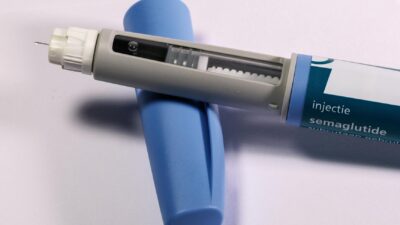
Fiasp is Novo Nordisk’s ultra-rapid mealtime insulin, an FDA-approved reformulation of insulin aspart that begins working 2 to 3 minutes faster than NovoLog and can be dosed at the start of a meal or up to 20 minutes after eating. Approved in the US in 2017, it is indicated for adults and pediatric patients with type 1 or type 2 diabetes who need bolus coverage for meals. The active drug is the same insulin aspart, but added niacinamide accelerates absorption.
What Fiasp Is
Fiasp (faster-acting insulin aspart) is a rapid-acting human insulin analog used to control blood glucose around meals. It contains the same insulin aspart molecule as NovoLog (NovoRapid in some countries), with two added excipients: niacinamide (vitamin B3) and L-arginine. Niacinamide increases initial absorption by promoting the breakdown of insulin hexamers into faster-absorbing monomers, while L-arginine adds stability. The result is a pharmacokinetic profile that more closely mimics the natural prandial insulin response — earlier onset, earlier peak, and similar overall duration as standard aspart.
Indications and Who Uses It
Fiasp is FDA-approved for improving glycemic control in adults and pediatric patients with diabetes mellitus. It works for both type 1 diabetes (T1D) and type 2 diabetes (T2D) and is delivered by subcutaneous injection (vial, FlexTouch pen, or PumpCart cartridge) or by continuous subcutaneous insulin infusion through an insulin pump. People who tend to benefit most include those who experience postprandial spikes despite pre-meal dosing of standard rapid-acting insulin, pump users who want sharper meal coverage, and patients (especially children) whose meal intake is unpredictable and who need the option to dose after eating.
How Fast Fiasp Works
Per the Fiasp FDA prescribing information, the median onset of glucose-lowering action is approximately 16 to 20 minutes after subcutaneous injection, with maximum glucose-lowering effect between 1 and 3 hours and a duration of 3 to 5 hours. Compared with NovoLog, the early appearance of insulin in the bloodstream is approximately twice as fast in the first 30 minutes. Clinically, this faster on-ramp can blunt the post-meal glucose excursion that often causes the early-afternoon highs reported by people with T1D.
| Property | Fiasp (faster aspart) | NovoLog (aspart) |
|---|---|---|
| Onset | ~16-20 min | ~30 min |
| Peak | 1-3 hours | 1-3 hours |
| Duration | 3-5 hours | 3-5 hours |
| Mealtime dosing window | At meal start or up to 20 min after | 5-10 min before meal |
| Pump compatible | Yes | Yes |
Dosing Flexibility
The Fiasp label permits dosing at the start of a meal (within 2 minutes) or up to 20 minutes after the start of eating. This is a meaningful difference from older rapid-acting insulins, which require 5 to 15 minutes of lead time. The post-meal option helps caregivers of young children who may not finish what is on the plate, and it helps patients with delayed gastric emptying (gastroparesis) where pre-meal insulin can drive glucose too low before food absorbs. For most adults aiming for the tightest possible postprandial control, dosing at meal start remains preferred.
Side Effects and Safety
The most common adverse reactions reported in clinical trials of Fiasp included hypoglycemia, allergic reactions, injection site reactions, and lipodystrophy. Hypoglycemia is the dose-limiting toxicity of any insulin, and the faster onset of Fiasp means low blood sugar can appear earlier after dosing if the meal is delayed. Other risks shared with all insulins include hypokalemia, weight gain, peripheral edema, and, rarely, severe anaphylactic reactions. Insulin pump users should follow the device-specific instructions for Fiasp, as the manufacturer recommends changing the infusion set every 48 to 72 hours due to early data suggesting site occlusion can occur slightly more often than with standard aspart.
Storage and Practical Use
Unopened Fiasp vials, pens, and cartridges should be refrigerated at 36°F to 46°F (2°C to 8°C). Once in use, room-temperature storage (below 86°F / 30°C) is acceptable for up to 28 days for vials and FlexTouch pens. Do not freeze. The PumpCart cartridge has a 14-day in-use limit when in a pump. Always check the label for clarity — Fiasp should appear clear and colorless. Discard if you see particles or discoloration.
Switching to or From Fiasp
Switching between rapid-acting insulins is usually done unit-for-unit, but adjustments are common in the first week as you learn the new pharmacokinetics. Patients moving from NovoLog or Humalog to Fiasp may notice fewer late post-meal highs but more early lows if they continue dosing the same way before meals. Working with an endocrinologist or certified diabetes care and education specialist (CDCES) during the transition is recommended. For broader context on diabetes pharmacotherapy, see our treatment hub and the A1C levels guide for monitoring goals.
Cost and Availability
Fiasp is available by prescription in the US in 10 mL vials, 3 mL FlexTouch pens (5-pack), and 1.6 mL PumpCart cartridges (5-pack). Manufacturer savings programs from Novo Nordisk can reduce out-of-pocket costs for commercially insured patients, and the federal $35 monthly insulin cap applies to Medicare Part D enrollees. Cash prices vary widely; ask your pharmacist about the Novo Nordisk patient assistance program if you are uninsured.
The Bottom Line
Fiasp is a useful tool for people with type 1 or type 2 diabetes who need tighter postprandial control or more flexibility in mealtime dosing. Its 2 to 3 minute faster onset compared with standard aspart, combined with the option to dose after eating, makes it especially helpful for unpredictable eaters, pediatric patients, and pump users. Like all insulins, the dose-limiting side effect is hypoglycemia, and any change in regimen should be supervised by a clinician familiar with intensive insulin therapy.
Medical disclaimer: This article is for informational purposes only and does not constitute medical advice. Always consult a qualified healthcare professional before starting, stopping, or changing any medication or treatment plan.