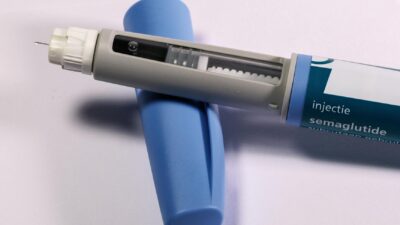
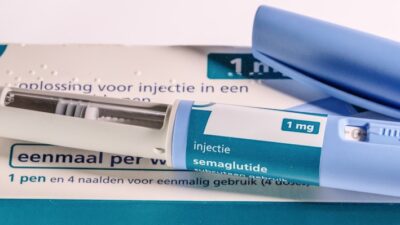
GLP-1 drugs for weight loss are injectable or oral medications that mimic a natural gut hormone, glucagon-like peptide-1, to reduce appetite and slow stomach emptying. The leading options, semaglutide (Wegovy), tirzepatide (Zepbound), and liraglutide (Saxenda), can produce 6 to 22 percent average body weight loss in randomized trials. They are FDA-approved for adults with obesity or overweight plus at least one weight-related condition.
How GLP-1 Drugs Work
GLP-1 is released by the small intestine after eating. It signals the pancreas to release insulin, tells the brain you are full, and slows how quickly food leaves the stomach. Synthetic GLP-1 receptor agonists stay active much longer than the body’s own hormone, turning a short post-meal signal into continuous appetite suppression. Tirzepatide goes a step further by activating both GLP-1 and GIP receptors, which appears to amplify weight loss. For context on how glucose regulation fits into the wider picture, see our prediabetes overview.
The Main GLP-1 Drugs Compared
| Drug (Brand) | Class | FDA Approval for Weight Loss | Average Weight Loss in Trials | Route |
|---|---|---|---|---|
| Semaglutide (Wegovy) | GLP-1 agonist | 2021 | ~15% (STEP 1) | Weekly injection |
| Tirzepatide (Zepbound) | GLP-1 + GIP agonist | 2023 | ~20% (SURMOUNT-1) | Weekly injection |
| Liraglutide (Saxenda) | GLP-1 agonist | 2014 | 6-8% (SCALE) | Daily injection |
| Oral semaglutide (Rybelsus) | GLP-1 agonist | Diabetes only | 4-5% off-label | Daily oral |
Who Qualifies
FDA labeling allows weight-management GLP-1 drugs for adults with a BMI of 30 or higher, or a BMI of 27 or higher with a weight-related condition such as hypertension, dyslipidemia, sleep apnea, or type 2 diabetes. Adolescents aged 12 and older may qualify for Wegovy based on STEP TEENS data. If you are still in the prediabetes range and not yet obese, structured lifestyle change and monitoring your A1C are often first-line.
Typical Benefits Beyond the Scale
Clinical trials consistently show improvements in:
- Fasting glucose and A1C, often by 1 to 2 percentage points in people with diabetes
- Systolic blood pressure, by 5 to 8 mmHg
- LDL cholesterol and triglycerides
- Obstructive sleep apnea severity (SURMOUNT-OSA)
- Major adverse cardiovascular events, by 20 percent in the SELECT trial
Side Effects and Safety
The most common side effects across all GLP-1 drugs are nausea, constipation, diarrhea, and reflux. They are usually mild and improve with slow titration. Uncommon but serious events include pancreatitis, gallbladder disease, and, in rodent studies, medullary thyroid tumors, which is why the drugs carry a boxed thyroid warning. People with MEN2, a personal history of medullary thyroid cancer, or prior pancreatitis should avoid GLP-1 therapy per the FDA label.
Muscle Loss Concerns
Roughly 25 to 40 percent of weight lost on GLP-1 drugs can be lean tissue without adequate protein and resistance training. Aim for at least 1.2 grams of protein per kilogram of body weight daily and two full-body strength sessions per week.
Cost and Access in 2025
List prices for Wegovy and Zepbound run about 1,000 to 1,400 USD per month without insurance. Most commercial plans now require documented BMI thresholds, a 6-month lifestyle attempt, and step therapy through liraglutide or older agents before approving the newer drugs. Medicare generally excludes obesity drugs unless coded for diabetes or cardiovascular risk reduction. Compounding pharmacies offered cheaper versions during the FDA shortage period, but those options narrowed once Wegovy and Zepbound came off the shortage list.
How GLP-1 Drugs Fit Into a Complete Plan
Medication multiplies the benefit of behavior change, it does not replace it. Pair your prescription with a structured diet and nutrition plan, resistance training, and sleep hygiene. For options beyond medication, review our treatment overview.
Practical Tips for Getting the Most Out of GLP-1 Therapy
- Stay hydrated: Aim for at least 2 liters of water daily to ease constipation and reduce headaches during titration.
- Eat small, protein-first meals: Appetite is lower, so make each bite count with lean protein, vegetables, and legumes.
- Limit alcohol: Delayed gastric emptying can amplify alcohol effects and increase nausea.
- Track waist, not just scale weight: Visceral fat often drops faster than total body weight, which is metabolically meaningful.
- Annual lab review: Lipid panel, fasting glucose, A1C, and basic metabolic panel at least yearly.
Comparing GLP-1 Drugs to Surgical and Lifestyle Options
Bariatric surgery still produces the largest and most durable weight losses, typically 25 to 30 percent at 5 years for sleeve gastrectomy or gastric bypass. GLP-1 drugs have narrowed the gap substantially, with tirzepatide approaching 22 percent at 72 weeks. Lifestyle-only interventions rarely achieve more than 5 to 7 percent sustained weight loss. For many adults, the right sequence is robust lifestyle change, then medication if needed, with surgery reserved for higher BMIs or when medication cannot achieve goals. Checking A1C trends alongside weight helps judge whether metabolic health, not just the number on the scale, is improving.
The Bottom Line
GLP-1 drugs for weight loss are the most effective pharmacologic tools available today, with tirzepatide and semaglutide delivering 15 to 22 percent average weight reductions in trials. They are not cosmetic shortcuts, they are long-term metabolic therapies with real side effects and cost. Work with a clinician to decide whether the benefits outweigh those trade-offs for your situation, and build a nutrition and strength plan that protects muscle while you lose fat.
Medical Disclaimer: This article is for education only. Do not start or change medication without consulting a licensed clinician.