Sublingual semaglutide is not an FDA-approved form of the drug. Products sold as drops, troches, or dissolving tablets under the tongue are compounded preparations, and there is no published human evidence that semaglutide absorbs reliably through the oral mucosa. If you want a non-injection GLP-1, the only regulated option is oral Rybelsus, which uses a specific absorption enhancer for stomach uptake, not sublingual delivery.
What Sublingual Semaglutide Actually Is
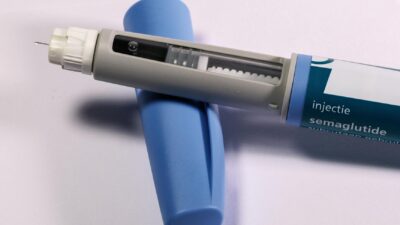
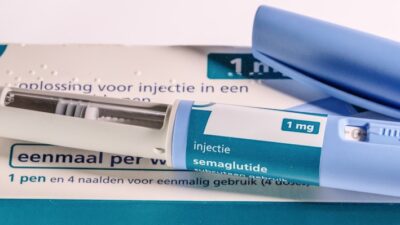
Semaglutide is a peptide that mimics the gut hormone GLP-1. It has been approved by the FDA in three forms: the subcutaneous injection Ozempic for type 2 diabetes, the subcutaneous injection Wegovy for chronic weight management, and the oral tablet Rybelsus for type 2 diabetes. “Sublingual semaglutide” is not one of those forms. It is a compounded product prepared by pharmacies that mix semaglutide powder with a carrier base, either a liquid to drop under the tongue or a lozenge that dissolves there.
During the 2023 to 2024 FDA shortage designation for injectable semaglutide, compounding surged to meet demand. Once the shortage was resolved, the FDA stated that compounded semaglutide from outsourcing facilities would generally no longer meet the legal exemptions for compounding under section 503A or 503B of the Food, Drug, and Cosmetic Act. Many clinics still offer it, often using semaglutide salt forms such as semaglutide sodium or semaglutide acetate that have not been studied in clinical trials.
Does It Work? What the Evidence Shows
The short answer is that there is no peer-reviewed human trial demonstrating sublingual absorption of semaglutide sufficient to reproduce the effects seen with injections. Peptides the size of semaglutide are typically too large and too quickly degraded to cross the oral mucosa efficiently. The approved oral tablet, Rybelsus, gets around that problem using SNAC (salcaprozate sodium), an absorption enhancer that temporarily allows stomach uptake. A sublingual formulation without such technology would be expected to deliver only a small, inconsistent fraction of the dose.
Marketing claims of equivalence to injections often cite anecdotal weight loss from clinic patients. Those reports cannot distinguish drug effect from placebo, caloric restriction coaching that usually accompanies the prescription, or variable absorption between batches.
Sublingual vs. FDA-Approved Forms
| Form | FDA-Approved? | Typical Use | Route | Notes |
|---|---|---|---|---|
| Ozempic (injection) | Yes (diabetes) | Type 2 diabetes | Weekly subQ | 0.25-2.0 mg |
| Wegovy (injection) | Yes (obesity, CV risk) | Weight management | Weekly subQ | 0.25-2.4 mg |
| Rybelsus (oral tablet) | Yes (diabetes) | Type 2 diabetes | Daily oral, empty stomach | 3, 7, 14 mg |
| Compounded sublingual | No | Off-label weight loss | Drops or troche | Variable potency |
Safety Concerns
The FDA has issued multiple warnings about compounded semaglutide. Reported issues include:
- Dosing errors due to confusion between units and milligrams
- Contamination risks from non-sterile compounding
- Use of unapproved salt forms
- Inaccurate potency, sometimes far higher or lower than labeled
- Lack of adverse event reporting structure that exists for approved products
Beyond those manufacturing risks, the underlying safety profile of semaglutide still applies: nausea, constipation, gallbladder disease, rare pancreatitis, and the FDA boxed warning for medullary thyroid tumors in rodents.
Who Might Consider a Needle-Free Alternative
Patients with genuine needle phobia, severe injection-site reactions, or bleeding disorders sometimes ask for non-injection options. Rybelsus is the FDA-approved choice for type 2 diabetes. It is not currently approved for obesity, though trials of a higher-dose oral semaglutide for weight loss have completed and could expand future options. Discuss alternatives with a clinician who knows your full medical history and can monitor for side effects. For broader context, review our treatment overview and diet and nutrition guide.
Questions to Ask Before Using Compounded Sublingual Semaglutide
- Which pharmacy compounds it, and is it a licensed 503A or 503B facility?
- What salt form of semaglutide is used?
- How is potency verified?
- Who monitors me for pancreatitis, thyroid disease, and gallbladder issues?
- What is the plan if I develop side effects or if the clinic closes?
The Bottom Line
Sublingual semaglutide is not a recognized or approved form of the drug. It is a compounded product with no published human pharmacokinetic data, variable potency, and limited oversight. If injections feel daunting, the only regulator-backed alternative is oral Rybelsus for diabetes. Prioritize evidence-based steps first, and rely on FDA-approved medications prescribed by clinicians who can monitor you properly.
Medical Disclaimer: This article is educational. It is not an endorsement of compounded medications. Consult a licensed clinician before starting or stopping any semaglutide product.