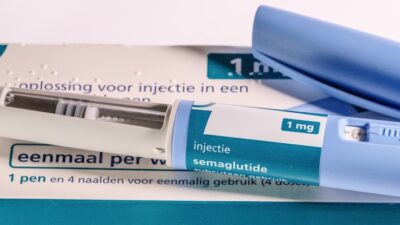
GLP-1 injections are prescription medications that mimic the hormone glucagon-like peptide-1, which your gut naturally releases after eating. They lower blood sugar, slow digestion, reduce appetite, and produce significant weight loss. As a class, GLP-1 injections have become central to modern type 2 diabetes care and FDA-approved chronic weight management.
How GLP-1 Injections Work
GLP-1 is released from intestinal L-cells in response to food. It signals the pancreas to release more insulin, tells the liver to make less glucose, slows stomach emptying, and activates satiety centers in the brain. In people with type 2 diabetes, the natural GLP-1 response is blunted. GLP-1 receptor agonists — the technical name for GLP-1 injections — restore and amplify this signal through modified peptides that resist the body’s normal degradation enzymes.
Because the insulin-releasing effect of GLP-1 is glucose-dependent, it tapers off once blood sugar normalizes. That is why GLP-1 injections rarely cause hypoglycemia on their own. For broader context on treatment approaches, see the prediabetes treatment hub.
The Main GLP-1 Injections on the Market
| Brand | Generic | Frequency | Approved For | Average A1C Reduction | Weight Loss |
|---|---|---|---|---|---|
| Ozempic | Semaglutide | Weekly | Type 2 diabetes | 1.5 percent | 10 to 14 percent |
| Wegovy | Semaglutide | Weekly | Obesity / weight | Not indicated | 15 to 17 percent |
| Mounjaro | Tirzepatide (GIP/GLP-1) | Weekly | Type 2 diabetes | 1.8 to 2.1 percent | 15 to 21 percent |
| Zepbound | Tirzepatide | Weekly | Obesity / weight | Not indicated | 18 to 22 percent |
| Trulicity | Dulaglutide | Weekly | Type 2 diabetes | 1.0 to 1.5 percent | 5 to 8 percent |
| Victoza | Liraglutide | Daily | Type 2 diabetes | 1.0 to 1.5 percent | 4 to 6 percent |
| Saxenda | Liraglutide | Daily | Obesity / weight | Not indicated | 5 to 8 percent |
Tirzepatide is sometimes excluded from the “GLP-1” label because it also targets GIP receptors, but clinically it is grouped with the class. Its dual mechanism underlies its larger efficacy numbers.
Benefits Beyond Glucose Control
Several GLP-1 injections have documented cardiovascular and kidney benefits:
- Reduced major adverse cardiovascular events — semaglutide, liraglutide, and dulaglutide have positive outcome trials.
- Kidney protection — slower decline in GFR in type 2 diabetes with existing kidney disease.
- Blood pressure reduction — 3 to 5 mm Hg systolic reduction is common.
- Improved lipid profile — especially triglycerides.
- Lower fatty liver measures — tirzepatide in particular shows MASH improvement signals.
For diet approaches that pair well with GLP-1 therapy — especially to protect muscle mass during rapid weight loss — see the prediabetes diet hub.
Side Effects: What to Expect
Most side effects involve the gastrointestinal tract and are dose-related. Nausea is the most common and typically peaks 2 to 4 days after a dose escalation, then fades. Slower titration, smaller meals, and hydration mitigate most symptoms. Frequent side effects include:
- Nausea (up to 40 percent at starting doses)
- Vomiting (5 to 10 percent)
- Diarrhea and constipation
- Injection-site reactions
- Fatigue during the first month
- Decreased appetite (for many users, this is the goal)
Serious but rare concerns include acute pancreatitis, gallbladder disease, bowel obstruction, and acute kidney injury driven by dehydration from persistent vomiting. All GLP-1 injections carry a boxed warning for medullary thyroid cancer based on rodent studies; humans with a personal or family history of MTC or MEN2 should not use them.
Injection Technique and Storage
GLP-1 pens are prefilled and designed for subcutaneous injection in the abdomen, thigh, or upper arm. Rotate sites to avoid lipohypertrophy. Most pens are stored refrigerated until first use, then kept at room temperature for 28 to 56 days depending on brand. Needles are short (4 to 6 mm) and thin (31 to 32 gauge), so the injection is typically described as a pinch rather than pain.
According to the NIDDK overview of prescription weight-management medications, adherence and proper injection technique strongly influence real-world outcomes.
Cost, Insurance, and Compounded Options
Brand-name GLP-1 injections list between 900 and 1,350 dollars per month in the US. Coverage varies widely by plan and indication. Type 2 diabetes coverage is broad; weight-management coverage remains limited outside of commercial plans with explicit obesity benefits. Manufacturer savings cards can reduce brand copays substantially. Compounded semaglutide and tirzepatide became common during FDA-declared shortages, but those shortages ended in 2024 to 2025, and pharmacies must now comply with tightened 503A/503B compounding rules. Discuss authenticity, source, and safety with your clinician before using non-FDA-approved preparations.
Pair any GLP-1 plan with regular lab monitoring, including A1C levels, kidney function, and lipid panels, to track response and catch side effects early.
The Bottom Line
GLP-1 injections have fundamentally changed how clinicians approach type 2 diabetes and chronic weight management. They deliver substantial A1C and weight reductions, produce cardiovascular and kidney benefits, and are generally well tolerated when titrated slowly. They are not casual medications — long-term therapy, lifestyle integration, and clinical supervision all matter. If you are considering a GLP-1, work with a prescribing clinician who can evaluate risks, monitor labs, and plan for maintenance rather than short-term use.