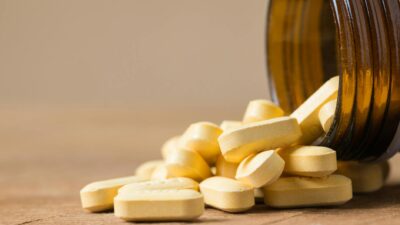
A GLP 1 oral medication is a glucagon-like peptide-1 receptor agonist taken as a pill rather than an injection. Rybelsus (oral semaglutide) is currently the only FDA-approved option in this class, offered in 3 mg, 7 mg, and 14 mg tablets for adults with type 2 diabetes. Additional oral GLP-1 drugs, including orforglipron, are in late-stage clinical trials.
What Is a GLP 1 Oral Medication?
GLP-1 agonists are medications that mimic the natural incretin hormone glucagon-like peptide-1. They stimulate insulin release after meals, suppress glucagon, slow gastric emptying, and reduce appetite. For years these drugs were only available as subcutaneous injections under brand names like Ozempic, Wegovy, Trulicity, and Victoza.
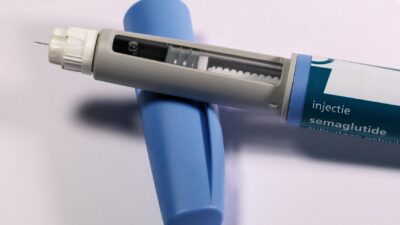
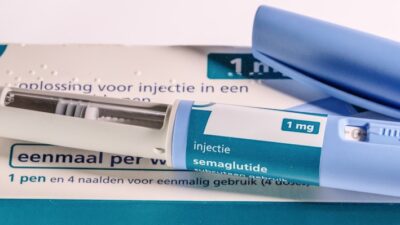
In 2019, the FDA approved Rybelsus, the first GLP 1 oral medication. Rybelsus uses the same active ingredient as Ozempic (semaglutide) but is paired with an absorption enhancer called SNAC (sodium N-(8-(2-hydroxybenzoyl)amino)caprylate) that protects the peptide from stomach acid and helps it cross the gastric lining into the bloodstream.
How Rybelsus Works in the Body
Once absorbed, oral semaglutide acts identically to injectable semaglutide. It binds to GLP-1 receptors on pancreatic beta cells, increasing glucose-dependent insulin secretion. It also slows how quickly food leaves the stomach, which blunts post-meal glucose spikes and promotes satiety. Over several months, these effects can lower A1C and body weight.
Because the drug is a peptide, it would normally be destroyed by stomach acid and digestive enzymes. The SNAC co-formulant creates a localized pH environment in the stomach that shields semaglutide and allows a fraction of the dose to be absorbed. Even with this technology, oral bioavailability remains low, which is why strict fasting instructions matter so much.
Rybelsus Dosing: 3 mg, 7 mg, 14 mg
The FDA-approved titration schedule for Rybelsus starts low and increases gradually to minimize gastrointestinal side effects:
| Phase | Dose | Duration | Purpose |
|---|---|---|---|
| Starting | 3 mg once daily | 30 days | Tolerability only; not effective for glucose lowering |
| Maintenance | 7 mg once daily | At least 30 days | First therapeutic dose for A1C reduction |
| Higher maintenance | 14 mg once daily | Ongoing | Used if additional A1C lowering is needed |
Your clinician may keep you at 7 mg if your blood sugar goals are met, or step up to 14 mg after another four weeks. Doses above 14 mg are not FDA-approved.
The Absorption Rules That Actually Matter
Rybelsus only works when taken correctly. Food, beverages other than water, and even small amounts of extra water dramatically reduce how much semaglutide reaches the bloodstream. Follow these rules every morning:
- Take one tablet at least 30 minutes before your first food, drink, or other oral medicine of the day.
- Swallow the tablet whole with no more than 4 oz (about half a cup) of plain water.
- Do not split, crush, or chew the tablet.
- Wait at least 30 minutes before eating or drinking anything else, including coffee, tea, or other tablets.
If you take it with breakfast or with a full glass of water, you may get a fraction of the expected dose. Missed doses should be skipped rather than doubled.
Benefits of a GLP 1 Oral Medication
For people who dislike needles, pills remove a major adherence barrier. Rybelsus has demonstrated meaningful benefits in the PIONEER clinical trial program, including A1C reductions of roughly 1.0 to 1.4 percentage points at the 14 mg dose and modest weight loss averaging 4 to 5 kg over 6 months. Cardiovascular outcome data from PIONEER 6 suggested non-inferiority versus placebo for major adverse cardiovascular events.
Lifestyle changes remain foundational. Pair medication therapy with the strategies on the diet and nutrition hub and review the broader treatment options with your clinician.
Side Effects and Safety Considerations
The most common side effects of Rybelsus mirror injectable GLP-1 therapy: nausea, vomiting, diarrhea, constipation, abdominal pain, and reduced appetite. These are dose-related and usually improve within a few weeks of starting or increasing the dose. Slower titration can help.
Serious warnings include a boxed warning for medullary thyroid carcinoma based on rodent studies, contraindication in people with a personal or family history of medullary thyroid cancer or MEN 2, and rare reports of pancreatitis, gallbladder disease, diabetic retinopathy complications, and acute kidney injury from dehydration. According to the FDA prescribing information, patients should stop the drug and seek care for persistent severe abdominal pain.
What About Orforglipron and Other Pipeline Drugs?
Orforglipron is a small-molecule, non-peptide oral GLP-1 receptor agonist from Eli Lilly that does not require an absorption enhancer and can be taken without fasting restrictions. Phase 3 trial data reported through 2024 suggested A1C reductions and weight loss competitive with injectable GLP-1 therapy. Orforglipron has not yet been FDA-approved, and regulatory submissions are expected in the near future.
Other candidates in earlier trials include oral tirzepatide formulations and newer dual-agonist pills. None are currently available for prescription in the United States. If you are considering whether prediabetes medication is right for you, start with the foundational information at the prediabetes 101 hub.
Who Might Benefit from a GLP-1 Pill?
Rybelsus is approved for adults with type 2 diabetes as an add-on to diet and exercise. It is not FDA-approved for weight loss as a standalone indication or for prediabetes. People who may find it useful include those with a strong preference for oral therapy, fear of injections, or difficulty storing refrigerated pens while traveling. It is not recommended during pregnancy or breastfeeding.
The Bottom Line
A GLP 1 oral medication offers a needle-free alternative to injectable semaglutide, but only if you take it exactly as directed. Rybelsus remains the sole FDA-approved option today, with orforglipron and others likely to follow. If you are weighing this class of drug, discuss dosing, absorption rules, and side-effect management with your clinician so you can decide whether a pill or an injection fits your life better.
Medical disclaimer: This article is for educational purposes only and is not a substitute for professional medical advice, diagnosis, or treatment. Always consult your physician or qualified healthcare provider with any questions about a medical condition or medication.