How much weight can you lose on semaglutide? In the landmark STEP 1 clinical trial of Wegovy (semaglutide 2.4 mg), adults without diabetes lost an average of about 14.9 percent of their starting body weight over 68 weeks, compared with 2.4 percent on placebo. Results vary widely person to person, with dose, duration, and lifestyle factors all playing a role.
How Much Weight Can You Lose on Semaglutide: The Big Picture
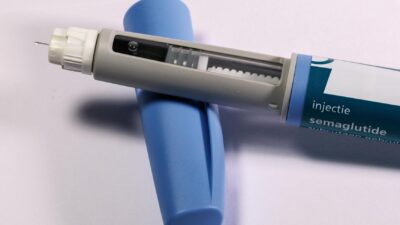
Semaglutide is a GLP-1 receptor agonist sold as Ozempic and Rybelsus for type 2 diabetes and Wegovy for chronic weight management. It slows stomach emptying, reduces appetite, and improves how the pancreas releases insulin. For weight loss, the 2.4 mg weekly dose (Wegovy) is the FDA-approved option.
In the STEP clinical program published in The New England Journal of Medicine, average weight loss on semaglutide 2.4 mg was:
- STEP 1 (adults without diabetes): About 14.9 percent of body weight at 68 weeks.
- STEP 2 (adults with type 2 diabetes): About 9.6 percent of body weight.
- STEP 3 (semaglutide plus intensive lifestyle): About 16 percent of body weight.
- STEP 4 (continuing vs. stopping): Partial regain after discontinuation.
Averages are useful for planning but can mislead. Some participants lost more than 20 percent, while others lost little despite full dosing.
Timeline: What to Expect Month by Month
| Time on Semaglutide | Typical Experience | Common Weight Change Range |
|---|---|---|
| Month 1 | Low starting dose, early appetite changes | 1 to 3 percent |
| Month 3 | Mid-titration, steady appetite effects | 4 to 8 percent |
| Month 6 | Near or at target dose | 7 to 12 percent |
| Month 12 | Often near peak effect | 10 to 16 percent |
| Month 18+ | Plateau and maintenance phase | Maintenance of earlier loss |
These are rough ranges. The actual trajectory depends on starting weight, adherence, dose, and lifestyle.
Why Results Vary So Much
Several factors shape how much weight you actually lose:
- Dose and titration: Reaching the effective target dose is critical. Some people stop at lower doses due to side effects or cost.
- Baseline weight: People with higher starting weights sometimes lose more pounds but not necessarily a larger percentage.
- Type 2 diabetes status: Those with type 2 diabetes often lose somewhat less on average than those without diabetes.
- Diet and activity: Protein intake, total calories, resistance training, and overall activity all influence results.
- Sleep and stress: Poor sleep and high stress can blunt weight loss via hormonal and behavioral pathways.
- Medications: Some drugs promote weight gain or insulin resistance, which can offset semaglutide’s effect.
Pairing semaglutide with evidence-based habits from our diet and nutrition hub gives the medication the best chance to work as intended.
Plateaus and What They Mean
Most people reach a plateau somewhere between 12 and 18 months on semaglutide. Plateaus are not a failure; they reflect a new equilibrium between intake, expenditure, and biology. Strategies to address a plateau include:
- Recommitting to protein, fiber, and whole-food meals.
- Adding or intensifying strength training to preserve muscle.
- Reviewing alcohol intake, which can stall progress.
- Checking in on stress, sleep, and emotional eating patterns.
- Talking with your clinician about dose timing or adjunct therapies.
Plateaus are also a reminder that weight management is chronic. For people with prediabetes or type 2 diabetes, protecting A1C levels may matter even more than scale changes at certain points in treatment.
What Happens After Stopping Semaglutide
One of the clearest findings from STEP 4 was that discontinuing semaglutide usually leads to partial weight regain. Participants who stopped the medication regained a meaningful share of the weight they had lost over the following year, while those who continued maintained their losses. This pattern is similar to what we see with other chronic disease medications.
If you and your clinician decide to stop semaglutide, a structured plan that emphasizes ongoing nutrition, activity, sleep, and possibly follow-on medication can help protect your progress. Our treatment hub discusses how GLP-1 therapy fits with broader long-term strategies.
Uses, Benefits, and Side Effects
Beyond weight loss, semaglutide is FDA-approved for type 2 diabetes (Ozempic, Rybelsus) and to reduce the risk of major cardiovascular events in certain adults with type 2 diabetes and cardiovascular disease. Wegovy is also approved to reduce risk of major adverse cardiovascular events in some adults with obesity and established cardiovascular disease.
Common side effects include nausea, vomiting, diarrhea, constipation, abdominal pain, heartburn, and fatigue. Most are mild to moderate and improve over time. Serious but less common risks include pancreatitis, gallbladder disease, acute kidney injury from dehydration, hypoglycemia (especially with insulin or sulfonylureas), and a boxed warning about thyroid C-cell tumors based on animal studies. People with a personal or family history of medullary thyroid carcinoma or MEN 2 should not use semaglutide.
Setting Realistic Expectations
Going in with realistic expectations helps you stay motivated and avoid disappointment. A few mindset shifts help:
- Focus on 5 to 15 percent loss as genuinely meaningful for health, not just cosmetics.
- Track non-scale wins: energy, mobility, sleep, blood pressure, lipids, A1C.
- Anticipate plateaus and treat them as normal, not as evidence the drug “stopped working.”
- Plan for maintenance from day one, not as an afterthought.
The Bottom Line
How much weight can you lose on semaglutide? On average, about 10 to 15 percent of body weight over a year or so, with significant individual variation. Results reflect dose, duration, baseline factors, and lifestyle. Work with your clinician to align dose, nutrition, and expectations, and think of semaglutide as part of a long-term plan rather than a quick fix.
Medical disclaimer: This article is for educational purposes only and is not medical advice. Individual results vary. Always consult a qualified healthcare professional before starting, stopping, or changing semaglutide or any GLP-1 therapy.