GLP 1 drops are oral or sublingual products sold online, often as weight loss aids. It is important to know that FDA-approved GLP-1 therapy consists of injectable drugs like Ozempic, Wegovy, Mounjaro, and Zepbound, plus one oral tablet (Rybelsus). No sublingual or liquid-drop GLP-1 peptide is FDA-approved, and the marketing claims around GLP 1 drops deserve careful scrutiny.
What “GLP 1 Drops” Usually Means Online
Search for GLP 1 drops and you will find several different types of products:
- Herbal or nutraceutical “supports”: Blends of plant extracts, amino acids, vitamins, or minerals marketed as “GLP-1 supporting” without actually containing GLP-1 peptide.
- Sublingual compounded peptides: Compounded products claiming to contain semaglutide or tirzepatide for sublingual use, sold through telehealth or unregulated channels.
- Homeopathic drops: Highly diluted preparations with no pharmacologic GLP-1 effect.
- Misleading supplements: Products sometimes containing undisclosed prescription ingredients, a known concern in the weight loss market.
None of these are equivalent to FDA-approved GLP-1 therapy, and many raise safety questions.
Why GLP-1 Drugs Are Usually Injected
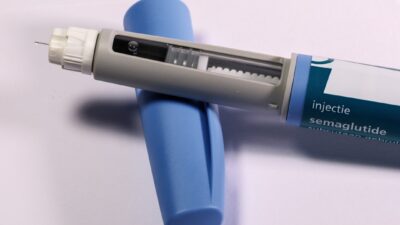
Semaglutide and tirzepatide are peptides, meaning chains of amino acids. The digestive system is designed to break down peptides into their building blocks. That is why most peptide medications, including most GLP-1 drugs, are given by injection rather than by mouth.
The one FDA-approved oral GLP-1 is Rybelsus (oral semaglutide), which uses a specific formulation with a permeation enhancer (SNAC) and strict dosing instructions to allow absorption. Developing a true oral GLP-1 was not simple, and the end product has specific intake requirements to work.
There is no established, validated sublingual or liquid-drop formulation of semaglutide or tirzepatide with FDA approval. Claims that drops deliver “equal” results to injections should be approached with skepticism.
Compounded Sublingual GLP-1: Important Considerations
Some telehealth platforms and compounding pharmacies sell sublingual semaglutide or tirzepatide drops. A few key points:
- Compounded products are not FDA-approved.
- Absorption through the mouth is complex and unpredictable for large peptides without specialized formulation technology.
- The FDA has warned about safety concerns related to some compounded GLP-1 products, including salt-form issues and adverse events.
- Dosing accuracy with drops can vary based on technique and individual anatomy.
The marketing appeal of drops is understandable (no needles, potentially lower cost), but the trade-offs in regulation, evidence, and safety deserve equal weight in your decision.
Snapshot: Products Marketed as GLP 1 Drops
| Product Type | Typical Contents | FDA Status | Key Caution |
|---|---|---|---|
| Supplement “GLP-1 support” | Herbs, amino acids | Dietary supplement, not evaluated | No true GLP-1 effect proven |
| Sublingual compounded semaglutide | Semaglutide in liquid base | Not FDA-approved | Absorption and dosing uncertain |
| Homeopathic drops | Highly diluted ingredients | Regulated as OTC, limited evidence | Little or no pharmacologic action |
| Undisclosed-ingredient products | Unknown | Illegal if hiding actives | Potential serious harm |
Red Flags in GLP 1 Drop Marketing
Common warning signs to watch for:
- Claims of “same results as Ozempic without the needle” with no clinical data.
- Proprietary blends without ingredient amounts disclosed.
- Before-and-after photos that rely on filters, lighting, or unrelated subjects.
- High-pressure countdown timers and “limited supply” marketing.
- No clinician involvement or meaningful medical screening.
- No refund or adverse event process described.
Legitimate medical options for prediabetes or obesity do not usually need to use these tactics.
Evidence-Based Options to Consider Instead
If the underlying goal is weight loss or improved blood sugar, proven strategies include:
- FDA-approved GLP-1 injections (semaglutide, tirzepatide, liraglutide) or oral Rybelsus when appropriate.
- Non-GLP-1 medications for obesity or diabetes that may be better suited to your situation.
- Structured lifestyle programs such as the Diabetes Prevention Program (DPP), which is supported by the CDC for reducing type 2 diabetes risk.
- Nutrition strategies outlined in our diet and nutrition hub, including higher fiber, adequate protein, and minimally processed eating.
- Regular physical activity, including both cardio and strength training.
- Sleep and stress improvement, which influence insulin sensitivity and hunger hormones.
Our treatment hub places medication and lifestyle options side by side so you and your clinician can weigh them together.
Questions to Ask Before Trying GLP 1 Drops
- What is the full ingredient list, and in what amounts?
- Is there published clinical evidence specific to this product?
- Is a licensed clinician involved in screening and follow-up?
- What is the refund policy if it does not work or I experience side effects?
- How does this compare with FDA-approved GLP-1 options for my goals?
The Bottom Line
GLP 1 drops is a marketing label covering a wide range of products, from supplement blends to compounded peptides. No sublingual or liquid GLP-1 peptide has FDA approval, and claims of “same results as GLP-1 injections without a needle” typically lack strong evidence. If GLP-1 therapy is right for you, FDA-approved options offer known dosing, safety, and efficacy data. Review any product you are considering with a qualified clinician before starting.
Medical disclaimer: This article is for informational purposes only and does not endorse any specific product. It is not medical advice. Always consult a qualified healthcare professional before starting or changing any weight-loss or diabetes-related therapy.