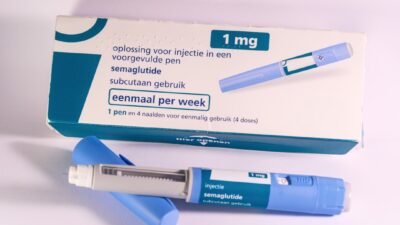
Yes. Compounded tirzepatide is effectively going away. The FDA declared the tirzepatide shortage resolved on October 2, 2024, which ended the legal basis for widespread 503A compounding. After court-ordered reconsideration, 503A pharmacies had to stop dispensing compounded tirzepatide by February 18, 2025, and 503B outsourcing facilities by March 19, 2025. Narrow clinical-need exceptions remain, but the era of low-cost compounded tirzepatide for general patients is over. The practical replacements are branded Mounjaro, branded Zepbound (including the lower-cost Lilly Direct vial program), or a switch to compounded semaglutide, which remains in FDA shortage.
The Timeline, Briefly
| Date | Event |
|---|---|
| December 2022 | FDA adds tirzepatide to shortage list; 503A compounding becomes legal |
| Throughout 2023–2024 | Telehealth boom; compounded tirzepatide available at $200–$400 per month |
| October 2, 2024 | FDA declares shortage resolved; compounding authority ends |
| October 2024 | Outsourcing Facilities Association and others file suit |
| November–December 2024 | Court orders FDA to reconsider; deadline grace periods issued |
| February 18, 2025 | 503A pharmacies must stop |
| March 19, 2025 | 503B outsourcing facilities must stop |
| 2025 onward | General compounded tirzepatide no longer legal; narrow patient-specific exceptions only |
Why the Shortage Ended
Eli Lilly spent roughly $23 billion expanding manufacturing capacity across sites in Indiana, North Carolina, and Ireland, and contract manufacturer Catalent. By mid-2024, Lilly was shipping enough tirzepatide in both Mounjaro (for diabetes) and Zepbound (for weight loss) indications that the FDA’s objective shortage criteria — supply not meeting demand — no longer applied. Under Section 503A, once a drug comes off the shortage list, large-scale compounding of copies is no longer permitted. This is an automatic statutory consequence, not a discretionary policy.
What “Going Away” Actually Means
- Mass dispensing ends: Telehealth platforms can no longer sell compounded tirzepatide at scale.
- Narrow clinical exceptions: 503A pharmacies may still compound patient-specific tirzepatide for documented clinical needs that the commercial product cannot meet (for example, an allergy to an inactive ingredient, or a dose the manufacturer does not produce). These are not marketing-driven; they require a specific clinical justification on the chart.
- Research supply is separate: “Research use only” tirzepatide purchased by non-patients is explicitly not for human use, often not sterile, and may not actually be tirzepatide at all.
- Overseas sourcing is illegal and risky: Any site now shipping tirzepatide from India, China, or Mexico is operating outside US law; products are often counterfeit, contaminated, or underdosed.
Your Options Going Forward
Stay on Tirzepatide via Branded Mounjaro or Zepbound
- Mounjaro (for type 2 diabetes): FDA-approved; covered by many commercial insurance plans at a tiered copay.
- Zepbound (for weight loss or sleep apnea): FDA-approved; commercial insurance coverage varies widely.
- Lilly Direct Zepbound vials: Self-pay vial program at approximately $349 for 2.5 mg, $499 for 5 mg monthly. Requires a prescription and a Lilly Direct account.
- Patient assistance: Lilly Cares Foundation for low-income patients.
Switch to Semaglutide (Still in Shortage at Publication)
- Branded Ozempic or Wegovy via insurance
- Branded Ozempic/Wegovy self-pay at $950–$1,400 monthly
- Compounded semaglutide via 503A — still legal while semaglutide shortage persists; watch for that shortage also resolving eventually
Discontinue and Use Lifestyle Alone
For patients who reached and sustained a healthy weight, stopping GLP-1 therapy can be considered with clinician guidance. Expect some appetite rebound and possible partial weight regain over 6 to 12 months. Reinforcement with nutrition and sustained lifestyle change improves retention of loss.
How to Transition Safely
- Ask your current prescriber to document your current dose, duration, and response.
- Decide: branded tirzepatide, branded or compounded semaglutide, or stop.
- If switching to semaglutide, plan a 2- to 4-week titration — start at 0.25 mg regardless of compounded tirzepatide dose.
- If switching to branded tirzepatide, expect to restart at 2.5 mg for 4 weeks per label before titrating up.
- Refill your prescription pharmacy of choice in advance; avoid gaps.
- Re-weigh and measure A1C or fasting glucose at the 8- and 16-week marks.
Red Flags on “Compounded Tirzepatide” Offers You See Today
- No US state pharmacy license or physical address
- Advertises tirzepatide after February 2025 for the general public (not documented clinical need)
- Ships from overseas
- Labeled “research use only”
- Sold by the “salt” — tirzepatide sodium, acetate — the FDA has stated salt forms of these peptides are not the same drug
- No prescription required
- Cryptocurrency-only payment
- Social-media-only sales
Related Reading
See our companion guides on GLP-1 treatment options and prediabetes fundamentals.
The Bottom Line
Yes, compounded tirzepatide is going away. The FDA shortage resolution on October 2, 2024, triggered the end of broad 503A and 503B compounding, with firm deadlines in February and March 2025. Going forward, tirzepatide patients need to move to branded Mounjaro or Zepbound (including the Lilly Direct vial program for self-pay), switch to compounded semaglutide while that shortage lasts, or discontinue with lifestyle support. Work with a clinician to plan the transition — the worst outcome is gapping off the medication unplanned and watching months of progress reverse.