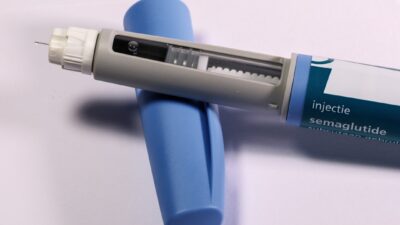
Yes, tirzepatide is the same as Mounjaro — tirzepatide is the generic name (active ingredient) and Mounjaro is Eli Lilly’s brand name for the FDA-approved type 2 diabetes formulation. Zepbound is the same molecule under a different brand for weight loss. The pens, doses, and clinical effects are identical; what differs is the FDA-approved indication and insurance prior-authorization path. Most compounded tirzepatide ended in early 2025 when the FDA resolved the shortage, so branded Mounjaro and Zepbound are now the primary legal paths.
Generic Name vs Brand Name
- Tirzepatide: the generic (nonproprietary) name of the active pharmaceutical ingredient — a dual GLP-1 and GIP receptor agonist peptide
- Mounjaro: Eli Lilly’s brand name for the tirzepatide formulation FDA-approved for type 2 diabetes (and, by extension, chronic weight management in diabetes)
- Zepbound: Eli Lilly’s brand name for the identical tirzepatide formulation FDA-approved for weight loss (BMI criteria) and obstructive sleep apnea
One molecule, two brand names, different FDA-approved labels.
Side-by-Side Comparison
| Feature | Mounjaro | Zepbound | Compounded Tirzepatide |
|---|---|---|---|
| Active molecule | Tirzepatide | Tirzepatide | Tirzepatide (usually) |
| Manufacturer | Eli Lilly | Eli Lilly | 503A compounding pharmacies |
| FDA indication | Type 2 diabetes | Weight loss (BMI ≥ 30 or BMI ≥ 27 with comorbidity); OSA with BMI ≥ 30 | None (was under 503A shortage exception) |
| Doses | 2.5, 5, 7.5, 10, 12.5, 15 mg | Same 6 doses | Varies by compound |
| Delivery | Weekly single-use pen | Weekly single-use pen; Lilly Direct vial program | Vial + syringe usually |
| Insurance coverage (commercial) | Usually covered for T2D with PA | Often covered for weight loss with PA | Not covered |
| Self-pay (cash) | ~$1,100/mo | ~$1,100/mo pen, $349-499/mo Lilly Direct vials | $200-400/mo typical (pre-shortage-end) |
| Regulatory status 2026 | Fully FDA-approved | Fully FDA-approved | Most compounding ended Feb–Mar 2025 |
| Savings programs | Lilly Savings Card | Lilly Savings Card; Lilly Direct | Clinic discounts if available |
Why Two Brand Names for the Same Molecule?
- Eli Lilly developed tirzepatide for type 2 diabetes first; Mounjaro was approved in May 2022
- When weight-loss indication was approved (November 2023), Lilly chose to launch under a separate brand (Zepbound) for commercial and insurance reasons
- This lets insurance plans and formularies distinguish coverage decisions for diabetes vs weight loss
- It also allows Lilly separate pricing, patient savings card, and direct-to-consumer programs for each indication
- Similar pattern: semaglutide is sold as Ozempic (T2D) and Wegovy (weight loss) by Novo Nordisk
How the FDA Labels Differ
Mounjaro Label (simplified)
- Indicated: as an adjunct to diet and exercise for type 2 diabetes in adults
- Not FDA-approved as a primary weight-loss drug (though weight loss is expected)
- Black-box warning: thyroid C-cell tumors (based on rodent studies)
- Dose ladder: 2.5 → 5 → 7.5 → 10 → 12.5 → 15 mg weekly
Zepbound Label (simplified)
- Indicated: chronic weight management for adults with obesity (BMI ≥ 30) or overweight (BMI ≥ 27) plus at least one weight-related condition; also moderate-to-severe obstructive sleep apnea with obesity
- Same black-box warning: thyroid C-cell tumors
- Same dose ladder as Mounjaro
- Labeled maintenance doses: 5, 10, or 15 mg (Mounjaro has no “maintenance” designation since it targets A1C, not weight)
Practical Situations
Type 2 Diabetes Patient Who Also Wants to Lose Weight
Usually prescribed Mounjaro — insurance coverage for T2D is typically easier to secure, and the weight-loss benefit comes along as an expected effect. No need to switch to Zepbound unless Mounjaro is not covered.
Weight Loss Without Diabetes
Zepbound is the labeled choice. Prior authorization will often require BMI documentation, prior weight-loss attempts, and sometimes a 3 to 6 month supervised lifestyle program. If insurance denies Zepbound, the Lilly Direct vial program at $349 to $499 per month is a self-pay alternative.
Sleep Apnea
Zepbound is FDA-approved for moderate-to-severe obstructive sleep apnea with obesity as of 2024. This is a valid insurance indication independent of weight loss. Some plans cover Zepbound for OSA but not for weight loss alone.
Compounded Tirzepatide User
Most compounded tirzepatide ended when the FDA declared the shortage resolved in October 2024, with 503A pharmacies required to stop by February 18, 2025, and 503B outsourcing facilities by March 19, 2025. Current compounded users should plan a transition to branded Mounjaro or Zepbound. Limited clinical-need exceptions exist but are not broadly accessible.
Switching Between Brands
- Your clinician writes a new prescription under the new brand name
- Insurance typically requires a new prior authorization for the new indication
- If switching at the same dose (e.g., 10 mg Mounjaro to 10 mg Zepbound), no re-titration is needed
- The pen injection technique is identical
- Savings cards may differ — verify which program applies to the new brand
Common Misconceptions
| Misconception | Reality |
|---|---|
| Mounjaro works better than Zepbound | Same molecule, same efficacy |
| Zepbound is a newer, stronger version | Same doses, approved after Mounjaro for weight loss indication |
| You can take both together | No — they are the same drug; taking both doubles the dose |
| Compounded tirzepatide is unregulated | 503A compounding pharmacies are state-licensed, just not FDA-inspected |
| Zepbound vials are cheaper than pens | Correct — Lilly Direct vials $349–$499/mo vs pen retail $1,100/mo |
Pricing and Savings
- Mounjaro savings card (commercial insurance): $25 for up to 3-month supply
- Zepbound savings card (commercial insurance): $25 for a 1-month supply, $550 for a 3-month supply
- Lilly Direct Zepbound vials: $349 (2.5 mg), $499 (5 mg) per month, no insurance required
- Lilly Cares Foundation: patient assistance for uninsured or underinsured
- Medicare: covers Mounjaro for diabetes (not Zepbound for weight loss, though some plans cover for OSA)
Related Reading
See our guides on treatment options and our broader prediabetes reversibility article.
The Bottom Line
Yes, tirzepatide is the same drug as Mounjaro — tirzepatide is the generic name and Mounjaro is Eli Lilly’s brand for the type 2 diabetes indication. Zepbound is the identical molecule under a different brand for weight loss. The pens, doses, and clinical effects are the same; what differs is the FDA-approved label, insurance prior-authorization path, and some pricing programs. Choose Mounjaro for type 2 diabetes, Zepbound for weight loss or sleep apnea, and plan to switch from compounded tirzepatide to branded if you have not already — most 503A compounding ended in early 2025.