Levels is a consumer metabolic health program that pairs a continuous glucose monitor (CGM) with a smartphone app and coaching content for people who do not have diabetes. It costs roughly $199 per month, includes prescription-grade sensors, and is designed to help users see in real time how food, exercise, sleep, and stress affect their blood glucose. Levels is a behavior-change tool, not a diagnostic or medical treatment.
What Levels Actually Is
Levels Health launched in 2019 and grew out of the broader wellness interest in tracking glucose as a marker of metabolic flexibility. The company does not manufacture sensors; instead, it integrates with FDA-cleared CGMs from Dexcom and, more recently, the Dexcom Stelo and FreeStyle Libre platforms.
What you pay for is the software layer: a proprietary glucose scoring system, food and meal logging, educational content, and dashboard analytics. The underlying sensor is the same hardware sold to people with diabetes, though Levels obtains it through a telehealth prescription.
How a Continuous Glucose Monitor Works
A CGM is a small sensor worn on the upper arm or abdomen. A tiny filament sits just under the skin and measures glucose in interstitial fluid every one to five minutes. Readings stream to a paired smartphone app.
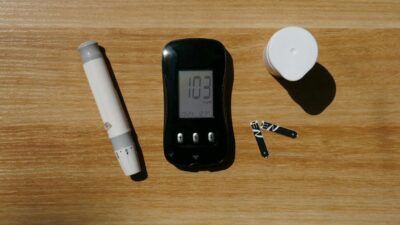
Compared to a fingerstick glucose meter, a CGM shows trends and patterns rather than single point-in-time readings. For someone with diabetes, this continuous data is valuable for dosing insulin and avoiding highs and lows. For someone without diabetes, the value is more about behavioral insight.
The U.S. Food and Drug Administration has cleared multiple CGM systems. In 2024, Dexcom’s Stelo became the first CGM cleared for over-the-counter sale for non-insulin users, reducing prescription friction.
What Levels Shows You
The Levels app displays several data points:
- Real-time glucose curve updated every few minutes
- Metabolic Score, a proprietary 1-10 rating of each meal based on glucose response
- Daily Metabolic Score, averaging meal scores plus time in range
- Food and exercise logging to correlate behaviors with responses
- Sleep and stress annotations if integrated with wearables
- Zone time, showing minutes per day in user-defined glucose ranges
The scoring system encourages keeping post-meal spikes small. Users learn, for example, that oatmeal with berries alone produces a sharper rise than the same oatmeal with almond butter and eggs.
Who Levels Is Designed For
Levels targets health-conscious adults who do not have a diabetes diagnosis but want to understand their metabolic patterns. Typical customers include:
- People with a family history of type 2 diabetes who want to prevent it
- Athletes optimizing performance and recovery
- Adults with borderline A1C readings or abdominal obesity
- Biohackers interested in personalized nutrition
- People with PCOS, non-alcoholic fatty liver disease, or fatigue who suspect glucose issues
If you already have a confirmed diabetes diagnosis, your endocrinologist can prescribe a CGM that is usually covered by insurance, making Levels unnecessary. If you suspect prediabetes, formal lab testing remains the diagnostic gold standard.
What It Costs
| Plan | Price | Included |
|---|---|---|
| Annual | ~$2,388/year ($199/mo) | CGM sensors, full app, content library |
| Monthly | ~$249/month | Same features, no annual commitment |
| Add-on sensors | $70-90 per sensor | Beyond monthly allotment |
Insurance typically does not cover Levels because the use case (non-diabetic metabolic optimization) is not a recognized medical indication. Some users pay with HSA or FSA funds, though eligibility depends on the documentation provided.
What the Evidence Says
Research on CGM use in non-diabetic adults is relatively thin. Most published CGM trials involve people with type 1 diabetes, type 2 diabetes, or prediabetes. A few small studies suggest non-diabetic users change eating behaviors after seeing their data, though whether those changes produce lasting A1C reductions is unclear.
A 2023 consensus report published in Diabetes Care noted that while CGM is transformative for people on insulin, evidence for non-insulin users is more modest, and for non-diabetic users it is mostly behavioral rather than outcome-based.
This does not mean Levels is useless. For highly motivated users, seeing real-time glucose responses can cement dietary changes that improve metabolic health. But the program is best understood as an educational tool rather than a medical treatment.
Limitations and Drawbacks
- Cost. $2,400 per year is significant; the same money could fund a registered dietitian or gym membership.
- Interstitial lag. CGMs measure interstitial fluid glucose, which trails blood glucose by 5 to 15 minutes.
- Accuracy limits. CGMs can be 10 to 15 percent off fingerstick values, especially during rapid changes.
- Anxiety risk. Some users become obsessive or anxious about normal glucose fluctuations.
- No long-term outcome data. It is not yet proven that Levels use lowers future diabetes risk.
- Sensor wear issues. Skin irritation and early sensor failures do happen.
Levels vs. Other CGM Platforms
Several competitors offer similar services.
- Nutrisense — comparable price, includes dietitian coaching
- Signos — positioned around weight loss with AI recommendations
- January AI — uses CGM data for limited time then switches to algorithmic predictions
- Stelo app (Dexcom) — direct OTC alternative, generally cheaper
- Lingo (Abbott) — built on FreeStyle Libre hardware, similar positioning
If you primarily want raw data without coaching, the OTC Dexcom Stelo or Abbott Lingo apps may deliver most of the benefit at a lower price.
How to Get the Most Out of Levels
Users who stick with Levels long-term tend to share a few habits.
- Log everything for the first two weeks. Detailed food and activity logging builds the dataset that powers insights.
- Test one variable at a time. Eat the same breakfast daily while changing only sleep, stress, or exercise to see isolated effects.
- Focus on patterns, not single readings. One post-meal spike is not a diagnosis; recurring patterns are.
- Pair meals strategically. Notice how adding protein or fiber to carbs flattens the curve.
- Use the data, then step away. Most users learn the lessons in one to three months and can then apply them without continuous monitoring.
When to See a Doctor Instead
If your Levels data reveals fasting glucose regularly above 100 mg/dL or post-meal readings over 180 mg/dL, book an appointment with your primary care provider. Request standard labs: fasting glucose, A1C, and possibly an oral glucose tolerance test. Formal diagnosis enables treatment options and insurance coverage that Levels cannot provide.
For guidance on what A1C numbers mean, see our A1C levels hub and diet and nutrition hub.
The Bottom Line
Levels CGM is a well-designed consumer product that turns continuous glucose data into actionable insights for non-diabetic adults. At $199 per month, it suits motivated users who want to learn how their personal biology responds to food and lifestyle. It is not a diagnostic tool, not a substitute for medical care, and not backed by long-term outcome trials. If you have diabetes or suspect you do, work with your doctor on standard diagnostic testing and an insurance-covered CGM. If you are a curious, healthy adult looking to optimize, Levels can be a useful short-term learning experience.