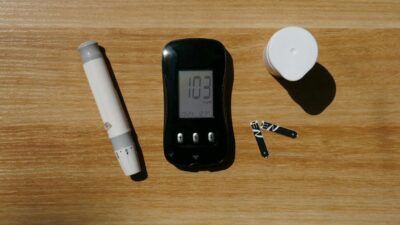
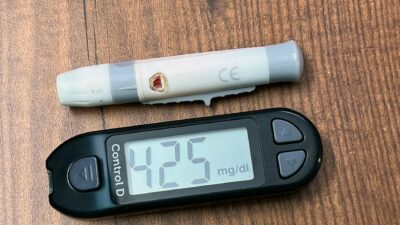
Medication for diabetes includes oral pills, injectable non-insulin drugs, and insulin itself, spread across roughly a dozen drug classes. Metformin is still the usual first step for type 2 diabetes, but GLP-1 receptor agonists and SGLT2 inhibitors have become preferred additions when cardiovascular or kidney protection is a priority. Choice of medication depends on A1C, weight, organ health, cost, and personal goals.
How Doctors Approach Diabetes Medication in 2025
Modern diabetes care has shifted from a purely glucose-lowering model to one that also considers heart, kidney, and weight outcomes. The 2024 American Diabetes Association Standards of Care emphasize individualized therapy based on comorbidities rather than a fixed drug ladder.
For type 1 diabetes, insulin is the only effective treatment. For type 2 diabetes, the sequence typically starts with lifestyle changes and metformin, then adds agents based on the dominant clinical concern.
Metformin: The First-Line Standard
Metformin, a biguanide, lowers blood glucose mainly by reducing glucose production in the liver and modestly increasing insulin sensitivity. It has been in clinical use since the late 1950s outside the U.S. and since 1995 in the United States.
- Typical A1C drop: 1.0 to 1.5 percent
- Cost: very low (often $4 to $10 per month generic)
- Common side effects: nausea, diarrhea, metallic taste (usually improve after 2 to 4 weeks)
- Cautions: reduced dose needed in kidney disease; avoided if eGFR below 30
Metformin does not cause hypoglycemia on its own and is roughly weight-neutral. Extended-release versions (Glucophage XR, Fortamet) tend to cause fewer gastrointestinal side effects.
GLP-1 Receptor Agonists
GLP-1 receptor agonists mimic the gut hormone glucagon-like peptide-1. They stimulate insulin release in response to meals, slow gastric emptying, and reduce appetite in the brain.
Common drugs include semaglutide (Ozempic, Rybelsus, Wegovy), liraglutide (Victoza, Saxenda), dulaglutide (Trulicity), and tirzepatide (Mounjaro, Zepbound), which is a dual GIP/GLP-1 agonist.
- Typical A1C drop: 1.0 to 2.0 percent
- Weight effect: loss of 5 to 20 percent of body weight
- Cost: high, often $900 to $1,300 per month without insurance
- Common side effects: nausea, vomiting, constipation
- Cautions: avoided in personal or family history of medullary thyroid cancer; use carefully with pancreatitis history
These drugs also reduce major cardiovascular events, including heart attack and stroke, in people with established heart disease.
SGLT2 Inhibitors
SGLT2 inhibitors block glucose reabsorption in the kidneys, causing excess glucose to be excreted in urine. Drugs include empagliflozin (Jardiance), dapagliflozin (Farxiga), canagliflozin (Invokana), and ertugliflozin (Steglatro).
- Typical A1C drop: 0.5 to 1.0 percent
- Weight effect: loss of 4 to 7 pounds
- Cost: $500 to $700 per month without insurance
- Common side effects: genital yeast infections, urinary tract infections, dehydration
- Unique benefit: reduce heart failure hospitalizations and slow kidney disease progression
SGLT2 inhibitors are now recommended for people with type 2 diabetes and heart failure, chronic kidney disease, or atherosclerotic cardiovascular disease, regardless of A1C.
DPP-4 Inhibitors
DPP-4 inhibitors prevent the breakdown of natural GLP-1, producing modest glucose-lowering effects. Drugs include sitagliptin (Januvia), linagliptin (Tradjenta), saxagliptin (Onglyza), and alogliptin (Nesina).
- Typical A1C drop: 0.5 to 0.8 percent
- Weight effect: neutral
- Common side effects: joint pain, upper respiratory infections
They are generally well tolerated but produce smaller glucose and no weight benefits compared to GLP-1 drugs.
Sulfonylureas and Glinides
Sulfonylureas (glipizide, glimepiride, glyburide) and glinides (repaglinide, nateglinide) force the pancreas to release more insulin.
- Typical A1C drop: 1.0 to 1.5 percent
- Weight effect: gain of 2 to 5 pounds
- Cost: low
- Common side effects: hypoglycemia, weight gain
These older drugs have largely been supplanted by newer classes but still have a role when cost is a constraint.
Thiazolidinediones (TZDs)
Pioglitazone (Actos) is the main TZD still in use. It improves insulin sensitivity in muscle and fat tissue.
- Typical A1C drop: 0.5 to 1.4 percent
- Weight effect: gain of 5 to 10 pounds
- Cautions: fluid retention, heart failure risk, bone fractures
Insulin Therapy
Insulin remains essential for type 1 diabetes and is often added in advanced type 2 when other drugs no longer achieve targets. Insulins are categorized by onset and duration.
| Category | Examples | Onset | Duration |
|---|---|---|---|
| Rapid-acting | lispro (Humalog), aspart (NovoLog), glulisine (Apidra) | 10-15 min | 3-5 hr |
| Short-acting | regular (Humulin R, Novolin R) | 30 min | 5-8 hr |
| Intermediate | NPH | 1-3 hr | 12-16 hr |
| Long-acting | glargine (Lantus, Basaglar), detemir (Levemir) | 1-2 hr | up to 24 hr |
| Ultra-long | degludec (Tresiba), glargine U-300 (Toujeo) | 1-6 hr | 36-42 hr |
Insulin is extremely effective but requires careful dose management, regular glucose checks, and patient education to avoid hypoglycemia.
Amylin Analogs and Alpha-Glucosidase Inhibitors
Pramlintide (Symlin) is an injectable amylin analog used alongside insulin in some patients. Acarbose (Precose) and miglitol (Glyset) slow carbohydrate absorption in the gut and lower post-meal spikes modestly. Both are used infrequently today.
Choosing the Right Medication
Your prescriber weighs several factors when choosing a regimen.
- Current A1C: higher starting levels may need combination therapy from the start
- Weight: GLP-1 or SGLT2 drugs help with weight; sulfonylureas and insulin promote gain
- Heart or kidney disease: favors SGLT2 inhibitors and select GLP-1 agonists
- Risk of hypoglycemia: avoid sulfonylureas in older adults or those with variable meals
- Cost and insurance coverage: metformin and sulfonylureas are far cheaper than newer drugs
- Patient preference: pill versus injection, once-weekly versus daily
Medications and Lifestyle Work Together
No medication replaces the impact of consistent eating patterns, physical activity, and adequate sleep. Weight loss of 5 to 10 percent can reduce A1C as much as adding a second medication. Explore our diet and nutrition hub and treatment overview for evidence-based lifestyle guidance.
Side Effect Management
Start low and titrate slowly. Many gastrointestinal side effects from metformin or GLP-1 drugs fade within weeks. If nausea persists, talk to your clinician about dose reduction, timing changes, or switching agents.
Never stop diabetes medication abruptly without medical guidance. Rebound hyperglycemia can be dangerous, particularly if you are on insulin.
The Bottom Line
Medication for diabetes is no longer a one-size-fits-all prescription. Metformin usually remains the foundation, but GLP-1 receptor agonists and SGLT2 inhibitors have reshaped treatment by offering weight loss, heart protection, and kidney benefits in addition to glucose control. Insulin remains irreplaceable for type 1 diabetes and advanced type 2. Work with your healthcare team to choose the combination that matches your A1C, organ health, weight goals, and budget, and remember that medication works best alongside sustained lifestyle change.