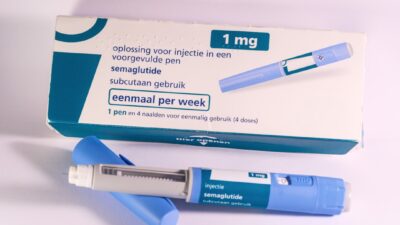
Over the counter GLP-1 is not a real category in the United States. There is no FDA-approved over-the-counter version of semaglutide, tirzepatide, liraglutide, or any other GLP-1 receptor agonist. Every legitimate GLP-1 medication requires a prescription from a licensed clinician and dispensing by a licensed pharmacy. This article explains why that is, what products you might see marketed as OTC GLP-1, and what an evidence-based path to these therapies actually looks like.
Why No OTC GLP-1 Drug Exists
FDA approval is the process by which a new drug is evaluated for safety, effectiveness, and manufacturing quality before it reaches US patients. Once approved, a drug is assigned a status, either prescription or over-the-counter, based largely on how safely people can use it without direct clinician supervision. Over-the-counter status generally requires that a typical consumer can self-diagnose the condition, self-select the product, and use it correctly from the label alone, with a low risk of serious harm.
GLP-1 receptor agonists do not fit that profile. They have important contraindications, a required dose escalation, and side effects that range from common and mild to rare and serious. The FDA has therefore approved these products only as prescription medications. A useful starting point for understanding the broader landscape is our treatment overview.
What Gets Marketed As Over the Counter GLP-1
When you search for OTC GLP-1, several categories of products appear in results. Understanding what they actually are is important for avoiding harm.
Dietary Supplements
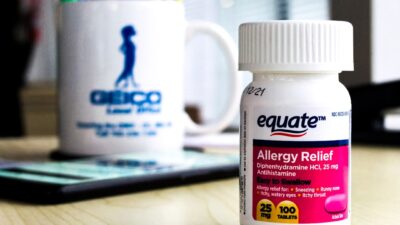
Most OTC GLP-1 products sold in US retail are dietary supplements. Common ingredients include berberine, apple cider vinegar, chromium, green tea extract, and various fiber blends. Labels often use phrases such as GLP-1 support, GLP-1 boost, or natural GLP-1. Supplements do not require FDA approval before marketing. Manufacturers are legally responsible for safety and accurate labeling, but the FDA generally only intervenes after problems are reported.
Unapproved or Counterfeit Drugs
Some online sellers advertise semaglutide or tirzepatide as research chemicals or not-for-human-use products. Others ship from overseas without a valid US prescription. These are not over-the-counter products in any legitimate sense; they are unapproved drugs sold illegally. The FDA has documented counterfeits mislabeled as approved brand names.
Compounded Preparations
Compounded semaglutide or tirzepatide is not over-the-counter. Compounded drugs still require a prescription and can only be dispensed by a licensed compounding pharmacy under specific legal conditions. We discuss this in more detail in related articles in our treatment section.
How the Categories Compare
| Category | Legal Status | Typical Contents | Evidence |
|---|---|---|---|
| FDA-approved GLP-1 drug | Prescription | Semaglutide, tirzepatide, liraglutide | Randomized trials |
| Compounded GLP-1 | Prescription only | Compounded semaglutide or tirzepatide | Varies by pharmacy |
| OTC dietary supplements | Supplement | Berberine, fiber, vinegar, herbs | Limited, mostly small studies |
| Online research chemicals | Unapproved or illegal | Unknown | None reliable |
Do Any OTC Supplements Work Like GLP-1 Drugs?
The short answer is no. Some ingredients have modest effects on glucose or appetite, but none replicates the biology of a GLP-1 receptor agonist. For example, berberine has shown small reductions in fasting glucose in meta-analyses, and certain fibers slow carbohydrate absorption. Neither produces the durable weight loss seen in clinical trials of semaglutide or tirzepatide. Marketing claims that equate these ingredients with prescription GLP-1 medications are not supported by the evidence.
What a Legitimate Access Path Looks Like
If you think a GLP-1 medication might be right for you, the path forward is a clinical evaluation, not a retail shelf. A typical evaluation includes a discussion of weight and metabolic history, relevant labs such as A1C levels, screening for contraindications, and a conversation about goals, side effects, and cost. Your clinician can then prescribe an approved product, order covered prior authorizations, and plan follow-up monitoring.
Safer Steps You Can Take Today
While a GLP-1 decision is being considered, evidence-based lifestyle steps are always available and carry no prescription barrier. These include building meals around protein, fiber, and non-starchy vegetables; reducing ultra-processed foods; moving more throughout the day; improving sleep quality; and managing stress. These habits, covered in our diet and nutrition resources, support glucose control whether or not medication is part of the plan.
Red Flags When Shopping Online
- Any site that claims to sell semaglutide or tirzepatide without a prescription.
- Prices far below typical pharmacy pricing, especially for injectable products.
- No US clinician evaluation and no US-licensed pharmacy.
- Claims of natural GLP-1 that match the effect of prescription medication.
- Pressure tactics, countdown timers, or lifetime membership fees.
Side Effect Considerations
Because OTC GLP-1 is not a real approved category, this section applies to the products commonly marketed under that label. Dietary supplements can cause gastrointestinal upset, interact with medications, and in some cases cause hepatotoxicity or cardiovascular side effects. Unapproved drugs sold online are a bigger concern because the contents and dose are unknown. Adverse effects can mirror the known GLP-1 side effect profile, including severe nausea and vomiting, but with no clinical support and no way to verify what was actually taken.
The Bottom Line
Over the counter GLP-1 is a marketing phrase, not a regulatory reality. No FDA-approved GLP-1 medication is available without a prescription, and products sold under that label are either dietary supplements with limited evidence or unapproved drugs that may be unsafe. If you are interested in the benefits of GLP-1 therapy, the right step is a conversation with a licensed clinician about an approved prescription product and the lifestyle context that makes any therapy work better.
Medical disclaimer: This article is educational only. Always consult a licensed healthcare professional before starting any medication or supplement.