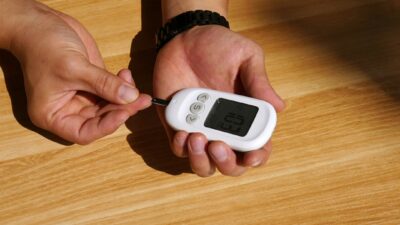
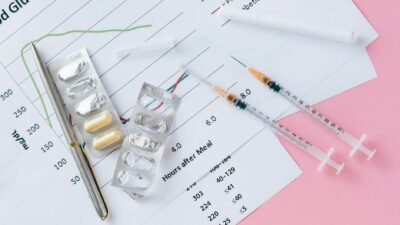
School management for pediatric diabetes requires a coordinated plan among the medical team, family, and school staff. The foundational document is a Diabetes Medical Management Plan (DMMP) signed by the child’s diabetes provider; this feeds into a Section 504 Plan or IEP that legally obligates the school to follow it. Daily care includes glucose checks, insulin dosing, snack timing, PE adjustments, and emergency protocols. Glucagon (intranasal or injectable) must be on site with trained staff. Self-management responsibilities expand by age. Federal law — ADA, Section 504, IDEA — protects children with diabetes from exclusion from any school activity.
Legal Framework
| Law | Coverage | What It Provides |
|---|---|---|
| Americans with Disabilities Act (ADA) | Public schools, private schools, daycare | Prohibits discrimination, requires reasonable accommodations |
| Section 504, Rehabilitation Act | Schools receiving federal funding | 504 Plan with specific accommodations |
| Individuals with Disabilities Education Act (IDEA) | Public schools | IEP for students needing specialized instruction |
| State Safe at School laws | Varies by state | Specific protections — self-administer, trained personnel |
| Federal Right to Stock Glucagon | Most states | Allows schools to stock glucagon under standing order |
The Diabetes Medical Management Plan (DMMP)
The DMMP is written and signed by the diabetes care provider and should include:
- Patient identification and emergency contacts
- Type of diabetes and date of diagnosis
- Glucose monitoring schedule and method (CGM vs finger stick)
- Target glucose ranges
- Hypoglycemia treatment (mild, severe) including glucagon
- Hyperglycemia and ketone treatment
- Insulin regimen — basal, correction factor, insulin-to-carb ratio, pump settings
- Meal plan and carb counts for school meals/snacks
- Exercise/PE adjustments
- Field trip and special event protocols
- Self-management permissions appropriate to age
- Sick-day rules
- Authorization for treatment
- Annual update and signature
The 504 Plan
The 504 Plan operationalizes the DMMP within the school. Typical content:
- Statement of disability (diabetes) and impact on learning environment
- Designated staff trained to administer insulin and glucagon
- Permission to carry diabetes supplies on person
- Permission to self-manage (if age-appropriate and competent)
- Free access to restroom, water
- Permission to eat or drink in class as needed
- Accommodations for missed instructional time due to diabetes care
- Excused absences for medical appointments
- Testing accommodations — extra time, glucose check breaks, food/drink allowed
- Participation in all extracurriculars and field trips with accommodations
- Communication protocols between school and parents
- Annual review
Roles and Responsibilities
| Role | Typical Responsibilities |
|---|---|
| Family | Provide DMMP, supplies, training info; communicate changes; backup support |
| Student | Age-appropriate self-care; communicate symptoms; carry supplies |
| School nurse | Primary coordinator; trains staff; daily oversight; medical records |
| Trained school staff (where no daily nurse) | Glucose monitoring, insulin administration, glucagon |
| Teachers | Recognize symptoms; allow restroom/food access; communicate with nurse |
| Administrators | 504 implementation; staff training; non-discrimination |
| PE/coaches | Pre-activity glucose check; access to fast-acting carbs; modifications for hypoglycemia |
| Cafeteria | Provide carb counts; consistent meals; allow flexible timing |
| Bus drivers | Recognize hypoglycemia; access to fast-acting carbs; emergency contact |
| Medical team | DMMP creation and updates; school consultation; emergency support |
Daily Care at School
- Pre-lunch glucose check and insulin dosing
- Pre-PE check; carbs available if <100 mg/dL or trending down
- Snack timing aligned with insulin action
- Mid-morning or mid-afternoon check if patterns require
- CGM data shared with parent and nurse via apps (Dexcom Follow, LibreLinkUp)
- Bathroom access without time limits
- Water access (especially important with high glucose)
- Permission to test or treat in class — not just nurse’s office
Hypoglycemia Plan
The 15-15 rule with school-appropriate adjustments:
- Glucose <70 (or per DMMP) — treat with 15g fast carbs (glucose tabs, juice, glucose gel)
- Wait 15 minutes, recheck
- If still low, repeat 15g
- If low and unable to swallow, unconscious, seizing — call 911 AND administer glucagon
- After recovery, snack with protein/carb if next meal >1 hour away
Glucagon Administration
| Product | Form | Pros | Cons |
|---|---|---|---|
| Baqsimi | Intranasal powder | Easy — no reconstitution; train in minutes | Cost; nasal congestion does not affect absorption |
| Gvoke HypoPen | Prefilled injection | Pre-mixed; injection familiar to many staff | Injection anxiety |
| Gvoke Kit | Prefilled syringe | Pre-mixed | Syringe handling |
| Zegalogue | Auto-injector | Pre-mixed; auto-injector | Cost |
| Generic glucagon kit | Vial + syringe | Cheapest | Reconstitution step — challenging in emergency |
Most schools now stock intranasal Baqsimi or a prefilled product to avoid the reconstitution step. Annual training and refresher drills help staff confidence.
Hyperglycemia and Ketone Plan
- Glucose >240 (or per DMMP) — correction insulin per DMMP
- Check ketones if persistent high or symptoms
- Push water
- Moderate-large ketones with symptoms — call parent and consider going home
- Vomiting, abdominal pain, rapid breathing — call EMS
- Pump users may need backup injection if site failure suspected
Self-Management by Age
| Age/Grade | Typical Self-Management | Adult Supervision |
|---|---|---|
| Pre-K to K (3–5 y) | Recognize “I feel low” | Full supervision |
| Early elementary (6–8 y) | Finger stick, simple food recognition | Full supervision for insulin |
| Late elementary (9–11 y) | Test, treat low, simple bolus with help | Insulin supervision; CGM monitoring |
| Middle school (12–14 y) | Bolus with carb count check; respond to CGM alerts | Backup for accuracy; complex situations |
| High school (15–18 y) | Mostly independent; safety check-ins | Background availability; transition planning |
These are typical ranges; individual children vary. Cognitive maturity matters more than chronological age. Self-management ability does not equal adherence — many adolescents can manage but choose not to without family support.
PE and Athletics
- Pre-activity glucose check (target ~120–180 to start activity for T1D)
- If <100, eat carbs before activity
- If >240 with ketones, do not exercise — correct first
- Fast-acting carbs available courtside or in pocket
- CGM visible to coach
- Hydration
- Pump suspension or basal reduction for prolonged activity (per DMMP)
- Post-activity check — late hypoglycemia can occur 4–12 hours after intense exercise
Field Trips and Special Events
- Trained staff member on every trip — not optional
- Full supply pack (extra insulin, meter, ketone strips, glucagon, snacks, hypoglycemia treatment)
- Communication plan with parents
- Adjusted timing for meals/snacks
- Walking, theme parks, water parks — pre-plan for activity-related lows
- Overnight trips — sleep plan, parent CGM access, parental presence sometimes appropriate
Common Discrimination Issues
- Refusal to allow self-management — challenge with state Safe at School law
- Exclusion from field trips — illegal under ADA
- Refusal to provide trained staff outside nurse hours — federal violation
- Pressure to homeschool or change schools — illegal
- Lower standardized test accommodations than DMMP specifies — challenge
- Sports team exclusion — illegal
- Daycare or after-school program refusal — illegal under ADA
The ADA Safe at School program and pediatric endocrinology team can advise on advocacy.
Sample 504 Accommodations
- “Student may carry and self-administer all diabetes supplies including insulin, glucose meter or CGM, glucose tablets, and emergency glucagon.”
- “Student will be permitted to check blood glucose, treat hypoglycemia, and administer insulin in the classroom or any school location.”
- “Student will have unrestricted bathroom and water access.”
- “Trained staff members [named] will administer insulin and glucagon in absence of school nurse.”
- “Snacks will be permitted in class as needed.”
- “Standardized tests will include glucose check breaks, food/drink, and additional time as needed.”
- “Student will participate in all field trips and extracurricular activities with appropriate diabetes care.”
- “Communication: school nurse will notify parent via [method] for any glucose <70 or >300 not responding to correction, or any ketones.”
Side Effects and Considerations
- Plans can become rigid — annual updates and flexibility are key
- Stigma — peers may notice frequent breaks, supplies
- Privacy — balance accommodation with not singling out the child
- Staff turnover — annual training refresh is essential
- Bullying around medical condition — address via 504 and conduct policy
- Test anxiety made worse by glucose extremes — accommodation matters
- School nurse staffing inadequate in many districts — push for stocking glucagon and trained staff
Related Reading
For broader management context, see pediatric diabetes management. For T1D specifics see type 1 diabetes in children; for T2D specifics see type 2 diabetes in children. Acute lows are covered in low blood sugar in kids.
The Bottom Line
School management for pediatric diabetes is a structured collaboration anchored by the DMMP (from the medical team) and the 504 Plan or IEP (the school’s legal accommodation document). Daily care includes glucose monitoring, insulin dosing, snack timing, PE adjustments, and emergency planning. Glucagon must be on site with trained staff. Self-management responsibilities grow by age — from full supervision in early elementary to nearly independent management in high school. Federal law protects children with diabetes from exclusion from any school activity. Annual review and staff training keep the plan current. Talk to your child’s diabetes team and school nurse before the school year begins — early coordination prevents most problems.