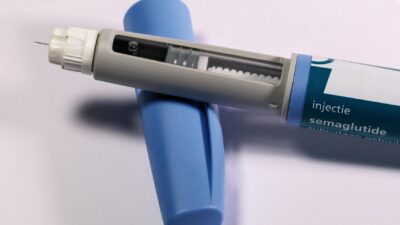
Semaglutide hair loss is real but usually temporary. The pattern most often observed — telogen effluvium — is a diffuse shedding triggered by rapid weight loss and nutritional shifts rather than a direct toxic effect of the drug. In the STEP 1 trial of Wegovy, 3 percent of participants reported hair loss compared with 1 percent on placebo. Most regrow within six to nine months once metabolism stabilizes.
What Semaglutide Is and Why Hair Comes Up
Semaglutide is a GLP-1 receptor agonist sold as Ozempic and Rybelsus for type 2 diabetes and as Wegovy for chronic weight management. Because Wegovy produces substantial average weight loss — around 15 percent of body weight in pivotal trials — patients often experience the downstream effects of rapid weight change, including temporary shifts in the hair growth cycle.
For a clinical overview of semaglutide’s labeled uses, its parent family of drugs, and where it fits in broader glucose management, our treatment hub and prediabetes 101 pages provide useful context.
The Mechanism: Telogen Effluvium
Each hair follicle cycles through anagen (growth), catagen (transition), and telogen (rest). Normally, about 10 to 15 percent of follicles sit in telogen at any time. Major physiological stressors — sudden weight loss, surgery, severe illness, hormonal shifts — push more follicles into telogen simultaneously. Two to four months later, those hairs shed at once, producing the alarming clumps in the shower drain.
According to the American Academy of Dermatology, telogen effluvium is reversible in the majority of cases. Hair regrowth begins automatically; visible density typically returns within six to nine months.
What the Clinical Data Show
| Trial or Source | Population | Hair Loss Rate |
|---|---|---|
| STEP 1 (Wegovy 2.4 mg) | Adults with BMI ≥30 | 3.0% vs 1.0% placebo |
| STEP 4 (continued Wegovy) | Adults with BMI ≥30 | 4.4% vs 2.8% placebo |
| SUSTAIN 6 (Ozempic) | Adults with type 2 diabetes | Not systematically reported |
| Real-world post-marketing | Mixed populations | Variable, often linked to weight-loss pace |
The STEP data suggest a modest but real increase in self-reported hair loss. Post-marketing case reports are harder to interpret because they lack placebo controls and depend on patient attribution.
Factors That Influence Individual Risk
- Pace of weight loss — faster decline correlates with more pronounced shedding.
- Protein intake — inadequate protein during caloric deficit amplifies hair fragility.
- Iron and ferritin levels — low stores are common in menstruating adults and worsen shedding.
- Thyroid status — untreated hypothyroidism can coexist and compound the picture.
- Genetic background — people with underlying androgenetic alopecia may unmask it during this period.
Evidence-Informed Responses
Most clinicians start by evaluating nutritional adequacy. The NIH Office of Dietary Supplements notes that iron deficiency is one of the most modifiable causes of telogen effluvium. A basic workup often includes complete blood count, ferritin, TSH, vitamin D, and sometimes zinc. Targeted supplementation is preferred over blanket multivitamins, and biotin should typically be avoided around lab draws because it can interfere with thyroid and troponin assays.
Nutrition support during GLP-1 therapy tends to include adequate daily protein (often 1.2 to 1.6 grams per kilogram of body weight, individualized by clinician), consistent meals despite reduced appetite, and a balanced pattern such as the one described on our diet and nutrition hub.
When to See a Dermatologist
Shedding that persists beyond nine to twelve months, comes with visible scalp changes, or produces patches rather than diffuse thinning warrants dermatologic evaluation. Scarring alopecias, androgenetic alopecia, and autoimmune conditions like alopecia areata require different treatments. Your dermatologist can also assess whether topical minoxidil or other interventions are appropriate.
Should You Stop Semaglutide?
Discontinuing therapy is a clinical decision that weighs the benefits — for glycemic control, weight, or cardiovascular risk — against the bother of temporary shedding. For many patients, addressing nutrition and waiting out the cycle is sufficient. Any change to your regimen should be made with your prescriber, not independently.
The Bottom Line
Semaglutide hair loss is most often a telogen effluvium tied to rapid weight loss and is usually reversible. Attention to protein, iron, thyroid, and the pace of weight change addresses the main modifiable factors. Use this overview as a framework for a focused conversation with your prescriber and, if needed, a dermatologist — they will tailor evaluation and treatment to your specific history.