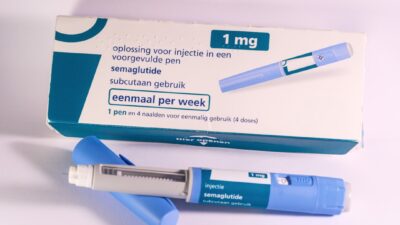
Semaglutide tablets, sold as Rybelsus, are the first and only oral GLP-1 receptor agonist approved by the U.S. Food and Drug Administration for adults with type 2 diabetes. Taken once daily on an empty stomach, the tablets offer a needle-free option but require careful timing to work. They share semaglutide’s mechanism with injectable Ozempic and Wegovy.
How Semaglutide Tablets Are Designed
Peptide molecules like semaglutide are typically destroyed by stomach acid, which is why GLP-1 drugs were injection-only until 2019. Rybelsus pairs semaglutide with an absorption enhancer called SNAC (sodium N-[8-(2-hydroxybenzoyl)amino]caprylate). SNAC raises local pH around the tablet and helps semaglutide pass through the stomach lining. Even with this enhancement, only about 1 percent of each dose reaches the bloodstream, so the tablet strengths are much larger than injectable doses.
For context on where GLP-1 pills fit in the broader management picture, our treatment overview compares options by mechanism and goal.
FDA-Approved Dose Strengths and Timing
Rybelsus comes in three tablet strengths. Prescribers titrate gradually to limit nausea and improve tolerability.
| Strength | When Used | Purpose |
|---|---|---|
| 3 mg | First 30 days | Starting dose only, not for glucose control |
| 7 mg | After initial month | First maintenance dose |
| 14 mg | After at least 30 days at 7 mg | Higher maintenance if A1C goal is not met |
Instructions from the label are non-negotiable: take the tablet first thing after waking with no more than 4 ounces of plain water, and wait at least 30 minutes before any food, drink, or other medication. Breaking these rules can cut the drug’s effect dramatically.
Benefits Seen in Trials
The PIONEER trial program, published in the New England Journal of Medicine, evaluated semaglutide tablets across more than 9,500 adults with type 2 diabetes. The 14 mg dose reduced A1C by 1.0 to 1.4 percentage points and produced 3 to 5 kilograms of weight loss over 26 to 52 weeks. PIONEER 6 also suggested cardiovascular safety in adults with high baseline risk. For readers tracking A1C levels, that kind of drop can shift many people out of diabetic-range glucose.
Side Effects and Safety
Side effects are similar to other semaglutide products because the active ingredient is the same.
- Common: nausea, abdominal pain, diarrhea, vomiting, constipation, decreased appetite
- Less common: fatigue, dyspepsia, gastritis, gallbladder disease
- Serious: pancreatitis, acute kidney injury from dehydration, diabetic retinopathy complications, severe allergic reactions
- Boxed warning: thyroid C-cell tumors in rodents; contraindicated with personal or family history of medullary thyroid carcinoma or multiple endocrine neoplasia type 2
According to the FDA approval announcement, Rybelsus is not a first-line therapy and does not replace insulin in people who require it.
Who Should Not Take Semaglutide Tablets
Rybelsus is not approved for type 1 diabetes, diabetic ketoacidosis, pregnancy, or children. It should be avoided in people with a personal or family history of medullary thyroid cancer or MEN 2. Because absorption is affected by food and other medications, people who cannot reliably fast in the morning are poor candidates. If you are weighing lifestyle options first, our diet and nutrition guide is a good starting point.
Practical Tips for Daily Use
Set the tablet on your nightstand so it is the first thing you reach for in the morning. Use a small cup marked at 4 ounces to avoid over-drinking. Plan breakfast at least 30 minutes later. Keep a simple log of timing and side effects during the first month to discuss at your follow-up.
Interactions with Other Medications
Because Rybelsus slows gastric emptying and must be taken in a fasted state, it can alter the absorption of other oral drugs. Levothyroxine levels often rise in people taking semaglutide, so thyroid labs should be rechecked. Warfarin, oral contraceptives, and diabetes medications like insulin or sulfonylureas may need dose adjustments. Share a full list of prescriptions, over-the-counter products, and supplements with every clinician involved in your care.
Managing Nausea Without Stopping
- Eat smaller, more frequent meals with lean protein
- Limit greasy, fried, or ultra-processed foods during titration
- Avoid lying flat immediately after breakfast
- Sip water slowly rather than gulping large volumes
- Try bland carbs like crackers or toast on the worst days
- Report severe or persistent vomiting to your clinician promptly
Storage and Travel
Store Rybelsus tablets at room temperature, away from moisture and heat, and keep them in their original blister until just before use. When traveling, pack extra tablets in a carry-on rather than checked luggage so temperature extremes and potential loss do not interrupt therapy. Confirm with your pharmacist if you will cross time zones; shifting the dosing time gradually is usually recommended.
The Bottom Line
Semaglutide tablets give people with type 2 diabetes a needle-free way to access GLP-1 therapy, but they demand strict empty-stomach timing to work. Benefits include A1C reductions and modest weight loss; side effects mirror injectable semaglutide. The tablets are not approved for weight loss alone, and they require a prescription and clinician supervision. This article is educational and is not a substitute for professional medical advice, diagnosis, or treatment.