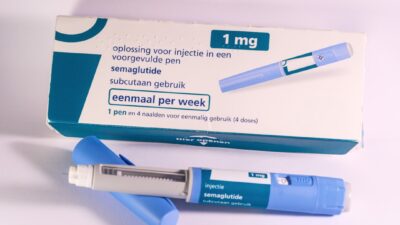
What is Wegovy? Wegovy is a once-weekly injection of semaglutide, a GLP-1 receptor agonist, approved by the U.S. Food and Drug Administration for chronic weight management in adults and adolescents who meet BMI criteria. In 2024, the FDA expanded its label to include reducing the risk of major cardiovascular events in adults with established heart disease plus obesity or overweight.
How Wegovy Works
Wegovy contains semaglutide, a synthetic analog of the natural gut hormone GLP-1. When injected under the skin, it activates GLP-1 receptors on pancreatic islet cells, in the brain, and throughout the digestive tract. That activation boosts insulin release when glucose is high, suppresses glucagon, slows gastric emptying, and dampens appetite signals in the hypothalamus. The cumulative effect is reduced hunger, earlier satiety, and improved glucose control.
For background on how the underlying molecule acts across conditions, our prediabetes treatment hub gives a broader view.
FDA-Approved Indications
- Chronic weight management in adults with BMI 30 or higher, or BMI 27 or higher with a weight-related condition
- Chronic weight management in adolescents 12 years and older with BMI at or above the 95th percentile
- Reducing risk of cardiovascular death, nonfatal heart attack, and nonfatal stroke in adults with cardiovascular disease plus obesity or overweight
Dose Titration and Schedule
Wegovy is titrated over 16 weeks to reach the 2.4 mg maintenance dose. Slower titration is permitted if side effects are intolerable.
| Weeks | Dose | Purpose |
|---|---|---|
| 1 to 4 | 0.25 mg weekly | Starting dose, not for maintenance |
| 5 to 8 | 0.5 mg weekly | Second titration step |
| 9 to 12 | 1 mg weekly | Third titration step |
| 13 to 16 | 1.7 mg weekly | Fourth titration step |
| 17+ | 2.4 mg weekly | Maintenance dose |
Benefits from the STEP and SELECT Trials
The STEP 1 trial (published in the New England Journal of Medicine) reported average weight loss of 14.9 percent at 2.4 mg versus 2.4 percent with placebo over 68 weeks. The SELECT trial, enrolling adults with cardiovascular disease and overweight, found a 20 percent relative reduction in major adverse cardiovascular events over a median of 40 months. Waist circumference, blood pressure, lipids, and fasting glucose also improved in most participants. Many with baseline prediabetes moved their A1C back into the normal range.
Side Effects and Warnings
- Common: nausea, diarrhea, constipation, vomiting, abdominal pain, headache, fatigue
- Less common: gallbladder disease, injection-site reactions, hair thinning
- Serious: pancreatitis, acute kidney injury from dehydration, gallstones, severe allergic reactions, increased heart rate
- Boxed warning: thyroid C-cell tumors observed in rodents; contraindicated with personal or family history of medullary thyroid carcinoma or multiple endocrine neoplasia type 2
According to the FDA Wegovy approval, Wegovy should not be used with other semaglutide products or other GLP-1 receptor agonists.
Who Should Not Use Wegovy
Wegovy is not approved for type 1 diabetes alone, pregnancy, or people with a personal or family history of medullary thyroid carcinoma or MEN 2. People with severe gastroparesis, a history of pancreatitis, or significant gallbladder disease need careful evaluation. Before starting any weight-management medication, review your overall approach, including elements in our diet and nutrition guide.
Lifestyle Pairing for Better Results
The STEP trials required participants to follow a reduced-calorie diet and increase physical activity alongside Wegovy. Participants who adhered to these behaviors lost more weight than those who relied on the injection alone. Practical pillars include a Mediterranean-style eating pattern rich in vegetables, legumes, nuts, and fish; resistance training two to three days weekly; seven to nine hours of sleep; and stress management. These habits also help preserve weight loss if treatment is paused.
Injection Technique Tips
- Rotate sites between the abdomen, thigh, and upper arm
- Let the pen warm to room temperature for several minutes before injecting
- Inject on the same day each week for steady levels
- Dispose of used pens in an FDA-cleared sharps container
- Do not reuse pens or needles
- Contact a clinician for significant redness, swelling, or infection at the site
Cost and Insurance Considerations
Without insurance, Wegovy list price runs approximately $1,300 per month. Many commercial plans cover it for approved indications, often with prior authorization. Medicare historically did not cover weight-management drugs but may cover Wegovy for cardiovascular risk reduction in eligible adults. Manufacturer savings programs and patient assistance foundations can help reduce costs. Ask your pharmacy and prescriber to coordinate on coverage.
The Bottom Line
Wegovy is an FDA-approved, once-weekly semaglutide injection for chronic weight management and, in eligible adults, cardiovascular risk reduction. It delivers average weight loss around 15 percent and meaningful cardiovascular benefits, balanced against real gastrointestinal side effects and rare safety risks. It works best alongside a reduced-calorie diet and increased activity. Only your clinician can decide whether Wegovy is right for you. This article is educational and is not a substitute for professional medical advice.