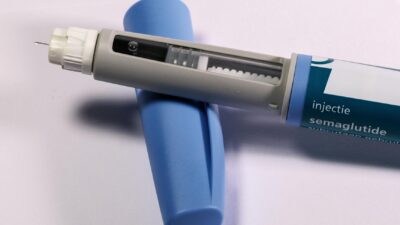
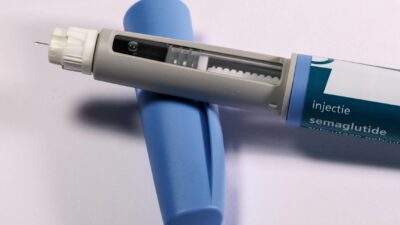
Semaglutide with glycine is a compounded formulation in which the amino acid glycine has been added to the preparation, typically as a stabilizer or buffer. It is not FDA-approved, has not been studied in clinical trials, and the claimed benefits come from compounding-pharmacy marketing rather than peer-reviewed research. The FDA has issued multiple warnings about compounded GLP-1 products with non-approved additives. This article explains what the combination is, what claims are made about it, and what the safety and regulatory picture looks like.
What Glycine Is
Glycine is the simplest amino acid, found naturally in the body and in dietary protein. It plays roles in collagen formation, neurotransmission, and detoxification. As a dietary supplement, glycine is generally regarded as safe at gram-level oral doses. It has also been used as an excipient (inactive ingredient) in some FDA-approved injectable medications for pH buffering or stabilization purposes.
Why Compounding Pharmacies Add Glycine to Semaglutide
Compounding pharmacies cite several reasons:
- pH buffering: glycine can stabilize the pH of an injection solution, theoretically improving peptide stability over the storage period
- Reduced injection site irritation: some compounders claim glycine reduces local irritation, though this has not been demonstrated specifically with semaglutide
- Cost-driven differentiation: “semaglutide with glycine” is a marketing differentiator among many compounding pharmacies offering similar products
- Replacing brand-name excipients: Wegovy and Ozempic use specific buffers and stabilizers; compounding pharmacies use their own excipient blends, sometimes including glycine
None of these claims are validated in published clinical trials for semaglutide specifically.
What the FDA Says
The FDA has issued repeated warnings about compounded GLP-1 medications. Key concerns:
- Compounded versions are not reviewed for safety, efficacy, or quality by FDA
- Many contain non-approved additives (glycine, vitamin B12 / cyanocobalamin, and others)
- Some use semaglutide salt forms (semaglutide sodium, semaglutide acetate) that are not the same as the active ingredient in FDA-approved products
- Reports of dosing errors, contamination, and unsterile preparation
- FDA action against telehealth platforms for misleading claims about compounded GLP-1 drugs
The legal pathway for routine compounding of semaglutide narrowed in 2025-2026 as the FDA-declared shortage of brand-name product ended. Compounding may still occur in specific situations (patient-specific allergies to brand-name ingredients, for example), but mass compounding for routine use is no longer permitted in the same way.
Comparison: Brand-Name vs Compounded with Glycine
| Feature | Brand-name semaglutide | Compounded with glycine |
|---|---|---|
| FDA-approved | Yes | No |
| Quality oversight | FDA inspection | State board of pharmacy |
| Clinical trial evidence | Yes (STEP, SUSTAIN programs) | No |
| Dosing | Fixed-dose pen | Vial + insulin syringe |
| Excipients | Disclosed on label | Varies by pharmacy |
| Cost (monthly) | ~$968-$1,349 | ~$150-$400 |
| Insurance coverage | Common (diabetes) / limited (weight loss) | Rarely covered |
Reported Side Effects
The side-effect profile of compounded semaglutide with glycine appears similar to brand-name semaglutide — gastrointestinal symptoms (nausea, constipation, diarrhea), occasional injection-site irritation, and the same theoretical risks (pancreatitis, gallbladder disease, thyroid C-cell tumor warning). However, because compounded products are not standardized, reported side effects vary by pharmacy and batch.
Injection-site reactions are sometimes reported more frequently with compounded products than with brand-name pens, possibly due to differences in excipient formulation, sterility procedures, or syringe technique.
Practical Considerations If You Use Compounded Semaglutide with Glycine
- Verify pharmacy licensing. Confirm your compounding pharmacy holds an active state license and, where applicable, 503A or 503B FDA designation.
- Read the label carefully. Check the concentration, ingredients (active and inactive), expiration date, and storage instructions.
- Confirm dose with prescriber. Get your dose in BOTH mg and units (based on the specific vial concentration).
- Use the right syringe. U-100 insulin syringes are standard, but small-volume doses may need 0.3 or 0.5 mL syringes.
- Track adverse events. Report unusual symptoms to your prescriber and to FDA MedWatch.
- Refill carefully. Concentrations and excipients can vary between refills — always re-verify before injecting.
When Brand-Name Makes More Sense
If you can access brand-name semaglutide (Ozempic or Wegovy) with insurance coverage or manufacturer savings programs, the brand-name product offers:
- FDA-reviewed safety, efficacy, and manufacturing
- Fixed-dose pen (no math required)
- Consistent formulation between refills
- Manufacturer support line for adverse events
- Quality oversight at every step of production
The cost differential is real but the safety and quality differential is also real. Discuss the trade-offs with your prescriber and consider whether the cost savings of compounded versions justify the regulatory and quality differences for your situation.
The Bottom Line
Semaglutide with glycine is a compounded formulation, not an FDA-approved product. Glycine is added as a stabilizer or buffer for theoretical (not clinically validated) benefits. The FDA has warned about compounded GLP-1 products with non-approved additives. If you use this formulation, verify your pharmacy’s licensing, check the label carefully, confirm doses with your prescriber, and report any adverse events. Brand-name semaglutide offers FDA-reviewed quality and fixed-dose convenience at substantially higher cost. Consult your prescriber to determine which option fits your situation. For more on GLP-1 treatment options, see our hub.