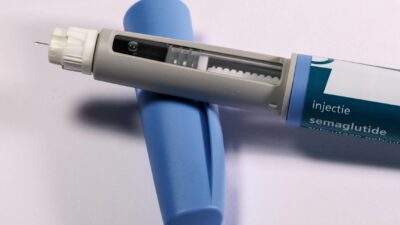
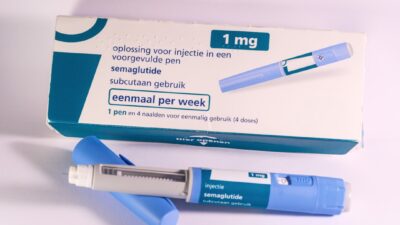
Switching from tirzepatide to semaglutide is straightforward in mechanics but typically means restarting semaglutide at the lowest dose (0.25 mg weekly) and titrating up over 16 weeks. The most common reasons to switch are insurance coverage changes, supply issues, side-effect intolerance to tirzepatide, or cost considerations. Most patients can expect some weight regain or slowed weight loss during the transition, followed by stable progress at the new maintenance dose. Below is a practical guide to the process.
Common Reasons to Switch
- Insurance changes: employer or plan changes coverage; one drug is now covered and the other is not
- Supply shortages: historical Mounjaro/Zepbound shortages drove some patients to semaglutide
- Side-effect intolerance: tirzepatide’s GI side effects too severe; hope semaglutide tolerates differently
- Cost considerations: savings card eligibility, different out-of-pocket math under each plan
- Prescriber preference: some prescribers favor semaglutide’s longer track record for certain patients
- Comorbidity considerations: Wegovy’s cardiovascular risk reduction approval may be relevant for some patients
Standard Switching Protocol
The most common protocol:
- Take the last dose of tirzepatide on its scheduled day
- Wait one week (your normal dosing interval)
- On the day of your next scheduled injection, start semaglutide at 0.25 mg (the standard Wegovy starting dose)
- Continue the standard Wegovy titration: 0.25 mg for 4 weeks, then 0.5, 1.0, 1.7, and finally 2.4 mg maintenance
Some prescribers use a different approach — for example, starting at a higher semaglutide dose if you were tolerating high-dose tirzepatide well. Always follow your specific prescriber’s instructions.
What to Expect During Transition
Weight loss may slow or partially reverse. The lower starting dose of semaglutide has less appetite-suppression effect than the higher tirzepatide dose you were on. Many patients see 2-5 lbs of regain over the first 4-8 weeks of the switch before weight loss resumes at higher doses.
Side effects may return. Each semaglutide dose escalation may cause renewed nausea, similar to when you first started tirzepatide. The first 1-2 days after each injection tends to be the worst.
Appetite may return. Reduced GLP-1 activity at the lower starting dose means hunger and food cravings may return more strongly. Eating discipline becomes more important during the transition phase.
Equivalent Dose Comparison
The drugs are not directly dose-equivalent, but rough approximate efficacy comparisons:
| Tirzepatide dose | Approximate semaglutide equivalent (efficacy) |
|---|---|
| 2.5 mg | ~0.25-0.5 mg |
| 5 mg | ~0.5-1.0 mg |
| 7.5 mg | ~1.0-1.7 mg |
| 10 mg | ~1.7-2.4 mg |
| 15 mg | ~2.4 mg (max semaglutide; tirzepatide still stronger) |
Note: these are approximate. The drugs have different mechanisms (tirzepatide is dual GIP/GLP-1; semaglutide is GLP-1 only) and the “equivalent” dose concept is imprecise. Even at maximum semaglutide dose, tirzepatide produces more average weight loss.
Expected Weight Loss After Switch
Average weight loss differs between the drugs at maximum doses (per SURMOUNT-5):
- Tirzepatide 15 mg over 72 weeks: ~20% body weight loss
- Semaglutide 2.4 mg over 72 weeks: ~14% body weight loss
Switching from maximum tirzepatide to maximum semaglutide may shift your total trajectory from a 20% goal to a 14% goal — a meaningful difference for many patients. Discuss your expectations with your prescriber.
Managing the Transition
- Plan timing carefully. Schedule the switch during a low-stress period when you can manage side effects.
- Maintain hydration. Especially during dose escalation; reduces risk of acute kidney injury.
- Continue eating discipline. The lower starting dose means weaker appetite suppression — discipline matters more.
- Track weight weekly. Expect some regain in weeks 1-8; reassess at week 16 when at maintenance dose.
- Report side effects. If GI symptoms are severe or persistent, your prescriber may slow titration.
- Don’t compare your week-1 semaglutide to week-72 tirzepatide. You’re starting over from the beginning of the titration curve.
What If the Switch Goes Badly?
If semaglutide produces worse side effects, less weight loss, or other issues:
- Discuss with your prescriber after 12-16 weeks at maintenance dose (need adequate trial time)
- Consider switching back to tirzepatide if insurance allows
- Discuss alternative options (Saxenda/liraglutide, oral agents, surgery referral)
Cost Comparison After Switch
If you switch for cost reasons, verify your math. List prices are similar (~$1,000-$1,400/month). Insurance and savings card eligibility differ between drugs. For commercially insured patients, both manufacturers offer copay assistance — but eligibility rules differ. Run the math with your specific plan and your specific eligibility before assuming one is cheaper.
The Bottom Line
Switching from tirzepatide to semaglutide means restarting at the lowest semaglutide dose and titrating up over 16 weeks. Expect some weight regain during transition and somewhat smaller maximum weight loss at the new drug’s maintenance dose. Most patients tolerate the switch well, but plan for 20-24 weeks to fully stabilize. Discuss timing, expectations, and any concerns with your prescriber before switching. For more on GLP-1 treatment options, see our hub.