Cinnamon for diabetes is one of the most popular supplements people try for blood sugar — but the evidence is more nuanced than the headlines suggest. Modest A1C and fasting glucose reductions have been shown in some trials, while others find no effect, and the Cochrane review found the evidence insufficient. Ceylon and cassia cinnamon are very different — cassia contains coumarin, which can damage the liver at high chronic doses. This guide walks through what cinnamon is, the proposed mechanism, the trial evidence, coumarin safety, drug interactions, and the ADA position.
What Cinnamon Is
Cinnamon is the inner bark of trees in the genus Cinnamomum. The two most relevant species:
- Cinnamomum verum (Ceylon cinnamon, “true cinnamon”): from Sri Lanka. Lighter color, more delicate flavor, thin layered bark, very low coumarin content (about 0.004 percent).
- Cinnamomum cassia (cassia cinnamon, Chinese cinnamon): from China, Indonesia, Vietnam. Darker color, stronger flavor, thicker bark, much higher coumarin content (1 to 4 percent depending on variety).
Most cinnamon sold in U.S. grocery stores is cassia. The label usually just says “cinnamon” — to get Ceylon you typically need to look for it specifically. Cassia is cheaper and more pungent, which is why it dominates the market.
Hypothesized Mechanism
Several mechanisms have been proposed for cinnamon’s effect on glucose:
- Methylhydroxychalcone polymer (MHCP): a compound in cinnamon that mimics insulin in cell culture, improving glucose uptake
- Inhibition of intestinal alpha-glucosidases: slowing carbohydrate absorption, similar in concept to acarbose
- Slowing of gastric emptying: reducing post-meal glucose peaks
- Antioxidant effects: reducing oxidative stress in beta cells
These are plausible mechanisms that have been demonstrated in cell culture or animals; translation to clinical glucose improvement in humans is variable.
Evidence Summary
| Study | Population | Dose / Type | Duration | Finding |
|---|---|---|---|---|
| Khan 2003 (Diabetes Care) | T2D Pakistani adults (n=60) | 1, 3, or 6 g/day cassia | 40 days | Fasting glucose reduced 18 to 29 percent; A1C reduction inferred |
| Mang 2006 | T2D adults (n=79) | 3 g/day cassia extract | 4 months | Modest fasting glucose reduction; A1C non-significant |
| Vanschoonbeek 2006 | Postmenopausal T2D women | 1.5 g/day cassia | 6 weeks | No significant glucose effect |
| Akilen 2010 (Diabet Med) | T2D adults (n=58) | 2 g/day cassia | 12 weeks | A1C reduced by 0.83 percent |
| Allen 2013 (meta-analysis) | Pooled T2D trials | 120 mg to 6 g/day | Pooled | Modest fasting glucose and triglyceride reduction; A1C not significant |
| Leach 2012 (Cochrane) | Pooled trials | Various | Various | Insufficient evidence; methodological concerns |
The pattern is consistent: short, small, often unblinded trials in non-Western populations tend to show benefit; better-designed trials show smaller or no effect. Meta-analyses lie somewhere in between but consistently note high heterogeneity.
Coumarin and Liver Safety
Cassia cinnamon contains coumarin, a natural compound that can cause liver toxicity at high chronic doses. The European Food Safety Authority set a tolerable daily intake (TDI) of 0.1 mg coumarin per kg body weight.
| Cinnamon type | Coumarin content | To exceed TDI (70 kg adult) |
|---|---|---|
| Ceylon cinnamon | ~0.004 percent (40 mg/kg) | Would require ~175 g/day — implausible |
| Cassia cinnamon (Indonesian) | ~2.1 percent (21,000 mg/kg) | ~330 mg cinnamon — less than 1/4 teaspoon |
| Cassia cinnamon (Vietnamese, Saigon) | ~6 to 8 percent (highest) | ~90 to 120 mg — a small pinch |
| Cassia cinnamon (Chinese) | ~1 to 2 percent (10,000 to 20,000 mg/kg) | ~350 to 700 mg — a heavy pinch |
This is one of the strongest arguments for preferring Ceylon when using cinnamon daily. The diabetes trials used cassia at 1 to 6 g/day — well above the TDI on a chronic basis for most adults. Most people consuming a sprinkle on oatmeal will not hit harmful levels, but daily 2 to 6 g cassia for months should be approached cautiously.
Typical Dosing in Trials
- 1 to 3 g/day: most common; often shown as modest fasting glucose effect
- 6 g/day: Khan 2003 high arm; larger effect
- Aqueous cinnamon extract (120 to 360 mg): standardized extracts used in some trials; lower coumarin exposure
This describes trial doses, not a recommendation. If you are considering cinnamon, talk to your healthcare provider before starting any supplement.
Side Effects and Drug Interactions
| Concern | Detail |
|---|---|
| Liver injury | Cassia coumarin — rare but reported; avoid high chronic doses with liver disease |
| Warfarin / anticoagulants | Coumarin in cassia may increase bleeding risk; monitor INR |
| Insulin / sulfonylureas | Potential additive hypoglycemia — monitor |
| CYP3A4 / CYP2D6 substrates | Cinnamon may modestly inhibit some CYPs; clinical significance uncertain |
| Allergy / mouth irritation | Cassia oil can cause contact dermatitis and oral irritation |
| Pregnancy | Culinary amounts safe; high supplement doses not well studied — avoid |
ADA Position
The American Diabetes Association Standards of Care does not endorse cinnamon for diabetes management. The ADA cites insufficient and inconsistent evidence and notes that herbal supplements should not replace proven diabetes therapies. The National Center for Complementary and Integrative Health takes a similar view — cinnamon has not been shown to reliably improve glucose outcomes in well-designed trials.
Cost and Forms
- Cassia cinnamon powder: 3 to 8 dollars per jar — cheapest and most common
- Ceylon cinnamon powder: 10 to 20 dollars per jar — about 2 to 4 times the price of cassia
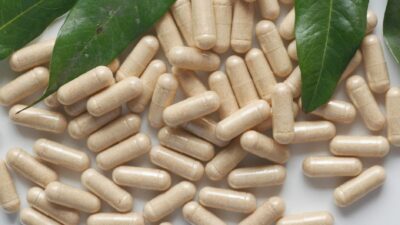
- Cinnamon capsules (often cassia): 5 to 15 dollars per month; usually 500 to 1000 mg per capsule
- Aqueous cinnamon extract (Cinnulin PF and similar): 15 to 30 dollars per month; standardized, low coumarin
- Cinnamon sticks: useful for tea; coumarin extraction into water is partial
Practical Use
- For daily culinary use, prefer Ceylon — sprinkle on oatmeal, yogurt, coffee, sweet potatoes
- If trying cinnamon as a supplement, consider an aqueous extract to minimize coumarin exposure
- Keep cassia intake modest if used daily — under about 1/2 teaspoon for most adults
- Track your glucose response — some people see a meaningful effect, others see nothing
- Avoid combining high-dose cassia with warfarin, anticoagulants, or hepatotoxic medications
Who Might Benefit, Who Should Avoid
- Reasonable to try: adults with mild T2D or prediabetes who have already optimized diet and exercise and want a low-risk culinary adjunct (Ceylon, modest doses)
- Use caution: people on warfarin, those with liver disease, those on sulfonylureas or insulin (monitor for hypoglycemia)
- Avoid high-dose supplements: pregnancy, children, anyone with elevated liver enzymes
Related Reading
See our broader guides on diet and nutrition for diabetes, our companion supplement coverage on chromium for diabetes and berberine for diabetes, and our overview of whether prediabetes is reversible.
The Bottom Line
Cinnamon for diabetes shows modest, inconsistent benefit in trials — roughly 0.4 to 0.6 percent A1C reduction at best, with many trials showing no meaningful effect. The American Diabetes Association does not recommend cinnamon for routine glucose management. If you choose to use it, prefer Ceylon over cassia for daily chronic use to avoid coumarin-related liver risk, keep doses moderate, and discuss with your healthcare provider — especially if you take warfarin, insulin, sulfonylureas, or have liver disease. A 1/2 teaspoon on oatmeal is a reasonable, low-risk culinary addition; multi-gram daily cassia supplementation deserves more caution. Cinnamon is not a substitute for proven diabetes therapies.