A strong diabetes food plan is built on non-starchy vegetables, quality protein, legumes, whole grains, nuts, seeds, and healthy fats. Use the diabetes plate method – half the plate non-starchy vegetables, a quarter lean protein, a quarter whole-grain carbs – and choose mostly whole foods. Below is a complete shopping guide, top-50 food list, meal-planning template, and portion chart.
The Plate Method in One Picture
Draw a 9-inch plate. Half is for non-starchy vegetables. One quarter is lean protein. One quarter is a high-fiber carbohydrate. Add a thumb of healthy fat (olive oil, avocado, nuts) and a glass of water or unsweetened beverage. This framework controls portions automatically, without carb counting.
Top 50 Foods for Diabetes
Non-Starchy Vegetables (eat freely)
- Spinach
- Kale
- Arugula
- Broccoli
- Cauliflower
- Brussels sprouts
- Asparagus
- Green beans
- Zucchini
- Bell peppers
- Tomatoes
- Mushrooms
- Cabbage
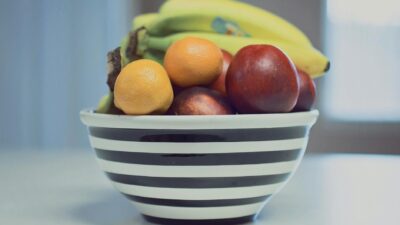
Fruits (moderate portions)
- Blueberries
- Raspberries
- Strawberries
- Apples
- Pears
- Oranges
- Kiwi
Proteins
- Salmon
- Sardines
- Tuna (light, canned)
- Chicken breast
- Turkey breast
- Eggs
- Greek yogurt (plain)
- Cottage cheese
- Tofu
- Tempeh
Legumes and Whole Grains
- Lentils
- Black beans
- Chickpeas
- Edamame
- Steel-cut oats
- Quinoa
- Barley
- Farro
- Wild rice
- 100% whole-grain bread
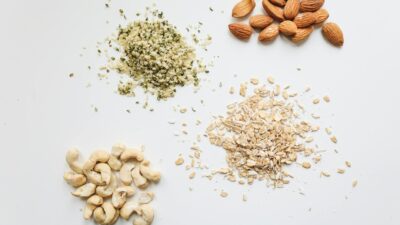
Healthy Fats, Nuts, Seeds
- Olive oil
- Avocado
- Almonds
- Walnuts
- Pumpkin seeds
- Chia seeds
- Flaxseed
- Natural peanut butter
Dairy and Alternatives
- Unsweetened almond milk
- Low-fat milk or unsweetened soy milk
Grocery List by Aisle
| Aisle | Pick These | Limit or Skip |
|---|---|---|
| Produce | Leafy greens, berries, cruciferous vegetables, citrus, avocado, tomatoes, peppers | Fruit juice, large servings of tropical fruit |
| Meat & Seafood | Skinless chicken/turkey, fatty fish 2x/week, lean beef or pork, unflavored seafood | Bacon, sausage, hot dogs, breaded or fried items |
| Dairy | Plain Greek yogurt, cottage cheese, low-fat milk, unsweetened plant milks | Flavored/sweetened yogurt, heavy cream, sweetened plant milks |
| Bakery | 100% whole-grain sprouted bread, whole-grain tortillas | White bread, bagels, pastries, muffins |
| Grains/Pasta | Steel-cut oats, quinoa, brown or wild rice, chickpea or lentil pasta | White rice (limit), instant oats, regular pasta in large portions |
| Canned/Dry Goods | Beans, lentils, low-sodium broth, canned fish, tomatoes, unsweetened nut butter | Canned fruit in syrup, cream soups, flavored instant noodles |
| Frozen | Plain vegetables, wild-caught fish, frozen berries | Frozen desserts, breaded items, frozen meals over 600 mg sodium |
| Oils/Condiments | Olive oil, vinegar, mustard, hot sauce, herbs, spices | Sweet salad dressings, BBQ sauce, teriyaki, ketchup in excess |
| Beverages | Water, sparkling water, unsweetened tea, black coffee | Soda, sweetened iced tea, energy drinks, juice, sweetened coffee drinks |
| Snacks | Nuts, seeds, roasted chickpeas, jerky, cheese | Chips, crackers, candy, most granola bars |
Portion Guide
| Food | Portion | Visual Cue |
|---|---|---|
| Non-starchy vegetables | 2 cups | Two cupped hands |
| Lean protein | 3-5 oz | Palm of your hand |
| Starches/grains | 1/2 to 1 cup cooked | Cupped handful |
| Fruit | 1 small piece or 1/2 cup | Tennis ball |
| Healthy fat | 1 Tbsp oil or 1/4 avocado | Thumb |
| Nuts/seeds | 1 oz (small handful) | Cupped palm |
| Cheese | 1 oz | Two dice |
A 7-Day Meal Planning Template
Rotate through these options:
Breakfast (pick one)
- Greek yogurt + berries + walnuts + chia
- Two-egg vegetable scramble + 1 slice whole-grain toast + avocado
- Overnight steel-cut oats + almond butter + cinnamon
- Cottage cheese + tomato + cucumber + flaxseed
- Tofu scramble + sauteed greens + salsa
Lunch (pick one)
- Big salad + grilled chicken + chickpeas + olive oil vinaigrette
- Tuna in lettuce wraps + apple + almonds
- Lentil soup + mixed greens + 1/2 slice whole-grain bread
- Turkey + hummus + vegetable wrap in whole-grain tortilla
- Tofu grain bowl: quinoa + roasted vegetables + tahini
Dinner (pick one)
- Baked salmon + roasted broccoli + 1/2 cup wild rice
- Chicken stir-fry + mixed vegetables + 1/2 cup brown rice
- Turkey chili with beans + side salad
- Grilled shrimp + cauliflower rice + sauteed spinach
- Sheet-pan tofu + Brussels sprouts + sweet potato (small)
Snacks (optional)
- Apple + 2 Tbsp peanut butter
- Hard-boiled egg + baby carrots
- Handful of nuts + small orange
- Plain Greek yogurt + berries
- Celery + hummus
Foods to Limit
No food is strictly forbidden, but these raise glucose and cardiovascular risk most when eaten often:
- Sugar-sweetened beverages (soda, sweet tea, energy drinks, juice)
- Refined grains (white bread, white rice, regular pasta) in large portions
- Processed meats (bacon, sausage, hot dogs, deli meats)
- Fried foods (French fries, fried chicken, doughnuts)
- Most desserts, candy, and baked goods
- Ultra-processed snack foods (chips, crackers, flavored popcorn)
- High-sodium frozen meals and canned soups
The full list lives in our worst foods for prediabetes guide.
Eating Out
- Order the protein + vegetable combo; ask for the starch on the side or a double vegetable instead
- Ask for dressing, sauces, and cheese on the side
- Choose grilled, roasted, broiled, or steamed over fried or crispy
- Skip the bread basket or take one small piece with olive oil
- Split dessert, or order fresh berries
- Drink water with a slice of lemon or unsweetened iced tea
Reading Labels Efficiently
- Serving size first. Every number below multiplies if you eat more.
- Total carbohydrate. This matters more than sugar alone.
- Fiber. 3+ g per serving is good; 5+ is excellent.
- Added sugar. Keep under 25-36 g daily (6-9 tsp).
- Sodium. Under 2,300 mg/day; prefer items under 400 mg/serving.
- Ingredients. Whole-food ingredients at the top; short lists are better.
Hydration and Beverages
Aim for 8-10 cups of unsweetened fluids daily. Best picks: water, sparkling water, plain tea and coffee, unsweetened herbal tea, and diluted low-sodium broth. Limit fruit juice (even 100%) to 4 oz if at all; it raises glucose almost as fast as soda.
Supplements Are Secondary
Food first. Evidence is strongest for omega-3 (from fish), magnesium in those deficient, and vitamin D in those deficient. Cinnamon, berberine, and chromium show mixed results. Discuss any supplement with your clinician, especially if you take glucose-lowering medications.
The Bottom Line
A diabetes-friendly diet is not a short-term program; it is a long-term shift toward minimally processed plants, quality protein, and healthy fats, arranged on a simple plate. Pair this eating pattern with the physical activity framework in our exercise guide, and you will see better A1C, weight, and cardiovascular numbers within three to six months. Start with one meal at a time.