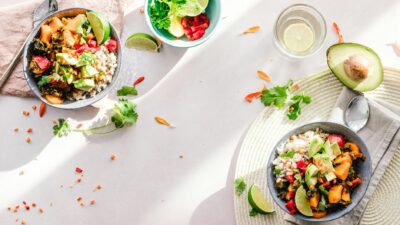
Good carbs are whole or minimally processed foods that are high in fiber, rich in nutrients, and digest slowly enough to keep blood sugar steady. The best examples are legumes, non-starchy vegetables, berries, intact whole grains like oats and barley, and nuts and seeds. If you have prediabetes, these should be the foundation of your carb intake.
What Makes a Carb “Good”?
A “good carb” checks most or all of these boxes:
- High in fiber (3+ g per 100 calories)
- Low glycemic load (GL ≤ 10 per serving)
- Nutrient-dense — provides vitamins, minerals, or phytonutrients
- Minimally processed — closer to how it grows
- Little or no added sugar
Most good carbs come from plants eaten whole. Refining (stripping bran and germ from grains, extracting juice from fruit) converts a good carb into a mediocre or poor one.
Top Good Carbs to Eat, Ranked
The list below ranks good carbs by nutrient density and blood sugar friendliness. All are suitable for a prediabetes-friendly diet in reasonable portions.
1. Legumes (Beans, Lentils, Chickpeas, Split Peas)
Unrivaled for fiber, protein, and slow digestion. One cup of cooked lentils delivers 16 g of fiber and 18 g of protein. Regular bean eaters have lower A1C, cholesterol, and body weight on average. Eat 3-5 cups per week.
2. Non-Starchy Vegetables
Broccoli, spinach, kale, peppers, zucchini, cauliflower, mushrooms, and tomatoes are almost “free” carbs — mostly water and fiber. Fill half your plate with them at lunch and dinner.
3. Berries
Blueberries, strawberries, raspberries, and blackberries have the lowest glycemic load of any fruit and the highest antioxidant content. A cup contains 60-85 calories and 4-8 g of fiber.
4. Intact Whole Grains
Oats (steel-cut or rolled), barley, quinoa, farro, buckwheat, and wheat berries. The whole kernel resists digestion, so blood sugar rises gradually. Skip instant or heavily processed versions.
5. Nuts and Seeds
Almonds, walnuts, chia, flax, and pumpkin seeds are mostly fat and fiber with a small carb footprint. A 1-oz serving of almonds has 6 g of carbs and 4 g of fiber.
6. Whole Fruits (Citrus, Apples, Pears, Stone Fruit)
Whole, skin-on fruit has fiber, water, and natural sugar. Apples, pears, oranges, peaches, and plums have lower glycemic loads than tropical fruits.
7. Starchy Vegetables in Moderation
Sweet potatoes, winter squash, corn, and peas are more carb-dense but still fiber-rich and packed with vitamins. Keep portions to about ½ cup.
8. Cultured Dairy (Plain Yogurt, Kefir)
Lactose is a carb, but the fermentation in yogurt and kefir lowers the net sugar and adds probiotics. Choose unsweetened.
9. Whole-Grain Breads and Pastas
A step down from intact grains, but better than refined. Look for “100% whole grain” as the first ingredient and at least 3 g of fiber per slice.
10. Dark Chocolate (85%+ Cocoa)
An occasional treat that is mostly fat and cocoa solids, with a modest carb load. Counts as a “good-ish” carb in small amounts.
Comparison Table: Good Carbs by the Numbers
All values are for a typical serving.
| Food | Serving | Carbs (g) | Fiber (g) | GI (approx.) | GL (approx.) |
|---|---|---|---|---|---|
| Green lentils, cooked | 1 cup | 40 | 16 | 30 | 9 |
| Black beans, cooked | 1 cup | 41 | 15 | 30 | 8 |
| Chickpeas, cooked | 1 cup | 45 | 13 | 28 | 10 |
| Steel-cut oats, cooked | 1 cup | 29 | 5 | 55 | 11 |
| Barley, cooked | 1 cup | 44 | 6 | 28 | 11 |
| Quinoa, cooked | 1 cup | 39 | 5 | 53 | 13 |
| Sweet potato, baked | ½ medium | 13 | 2 | 63 | 8 |
| Blueberries | 1 cup | 21 | 4 | 53 | 7 |
| Apple with skin | 1 medium | 25 | 4 | 36 | 6 |
| Plain Greek yogurt | 1 cup | 9 | 0 | 14 | 2 |
| Broccoli, cooked | 1 cup | 11 | 5 | 15 | 2 |
Good Carbs vs. Refined Carbs Side by Side
| Instead of… | Try… |
|---|---|
| White rice | Lentils or barley |
| White bread | 100% whole-grain sourdough |
| Instant oatmeal packet | Steel-cut oats with berries |
| Fruit juice | Whole orange or apple |
| Pretzels | Almonds + carrot sticks |
| Sugary breakfast cereal | Plain Greek yogurt + nuts + berries |
| French fries | Roasted sweet potato |
How Much of Each to Eat
A simple plate-method target for most meals if you have prediabetes:
- ½ plate: non-starchy vegetables
- ¼ plate: lean protein
- ¼ plate: good carbs — legumes, whole grains, or starchy vegetables (about ½ to 1 cup cooked)
- Plus: a serving of fruit, preferably berries, at one meal per day
For personalized targets, see our prediabetes diet guide.
Tricks to Make Good Carbs Even Better
- Pair with protein or fat: slows glucose absorption (e.g., apple + peanut butter).
- Cook, cool, and reheat starchy foods like rice, potatoes, and pasta to form resistant starch.
- Eat veggies first: starting a meal with salad lowers the glucose response to the rest of the meal.
- Add vinegar: 1-2 tablespoons of vinegar in a dressing can blunt post-meal glucose.
- Walk 10-15 minutes after eating to flatten the spike.
Good Carbs in a Day: Sample Meals
- Breakfast: Steel-cut oats with blueberries, chia seeds, and a tablespoon of almond butter.
- Lunch: Big salad with mixed greens, chickpeas, grilled chicken, avocado, olive oil + vinegar.
- Snack: Plain Greek yogurt with raspberries.
- Dinner: Baked salmon, roasted broccoli, ½ cup barley pilaf with lemon.
For more ideas, browse our best foods for prediabetes list.
Carbs to Limit (Not “Bad,” Just Less Helpful)
- Sugar-sweetened beverages (soda, sweet tea, energy drinks)
- White bread, white rice, and most crackers
- Pastries, cookies, cakes, candy
- Fruit juice (even 100%) beyond a small glass
- Sweetened flavored yogurts and cereals
The Bottom Line
Good carbs are foods your great-grandmother would recognize: beans, oats, berries, broccoli, apples, sweet potatoes. They deliver steady energy, fiber, and a long list of micronutrients that support metabolic health. You do not need to count every gram — focus on filling your plate with these foods most of the time, pair them with protein and vegetables, and your blood sugar will take care of itself.