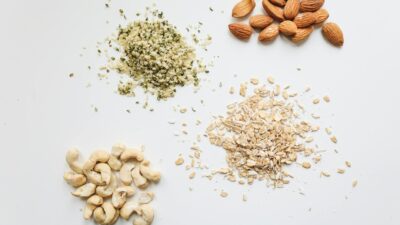
Carbohydrates (carbs) are one of three main macronutrients in food, alongside protein and fat. They include sugars, starches, and fiber, and they are your body’s primary source of energy. Carbs are found mostly in plant foods such as grains, fruits, vegetables, and legumes, plus dairy products.
What Exactly Is a Carbohydrate?
Chemically, a carbohydrate is a molecule made of carbon, hydrogen, and oxygen. Carbs range from single sugar units (glucose, fructose) to long chains of hundreds of sugar units (starch, fiber). Your digestive system breaks most carbs down into glucose, which enters your bloodstream and gets delivered to cells with help from the hormone insulin.
One gram of carbohydrate provides about 4 calories, the same as protein but less than fat (9 calories per gram). Carbs are not “essential” the way certain amino acids and fats are, but your brain and red blood cells strongly prefer glucose as fuel.
The Three Types of Carbs
Not all carbs behave the same way in your body. Nutritionists group them into three categories based on structure and how they affect blood sugar.
1. Sugars (Simple Carbs)
Sugars are the smallest carbohydrate units. They include glucose, fructose (fruit sugar), sucrose (table sugar), and lactose (milk sugar). Because they are already small, your body absorbs them quickly, which can cause a fast rise in blood glucose.
Naturally occurring sugars in whole fruit and plain dairy come packaged with fiber, water, vitamins, and minerals. Added sugars — sweeteners mixed into sodas, candy, baked goods, and sauces — deliver calories without nutrients and are the main sugars to limit.
2. Starches (Complex Carbs)
Starches are long chains of glucose molecules linked together. Common sources include rice, potatoes, bread, pasta, corn, and beans. Enzymes in your mouth and small intestine snip these chains apart into glucose.
Starches from whole foods like oats, quinoa, lentils, and sweet potatoes digest more slowly because fiber and intact cell walls slow enzyme access. Refined starches (white bread, white rice, crackers) digest faster and behave more like sugar on a blood glucose meter.
3. Fiber
Fiber is a carbohydrate your body cannot digest. It passes through your stomach and small intestine largely intact and gets fermented by bacteria in your colon. Because it is not absorbed as glucose, fiber does not directly raise blood sugar.
There are two types: soluble fiber (oats, beans, apples, psyllium) forms a gel that slows digestion and lowers cholesterol, while insoluble fiber (wheat bran, nuts, vegetable skins) adds bulk and promotes regularity. Most adults need 25-38 grams of fiber per day and fall well short.
Carbs vs. Sugars vs. Starches vs. Fiber at a Glance
| Type | Structure | Examples | Blood Sugar Impact |
|---|---|---|---|
| Sugar (simple) | 1-2 sugar units | Table sugar, honey, soda, fruit | Fast rise |
| Starch (complex) | Many sugar units | Rice, bread, pasta, potatoes | Moderate to fast rise |
| Fiber | Indigestible chains | Oats, beans, vegetables | No direct rise |
Where Carbs Show Up in Food
Most people know bread and pasta contain carbs, but carbs appear in many foods you might not expect:
- Grains: rice, oats, wheat, quinoa, corn, barley
- Starchy vegetables: potatoes, sweet potatoes, peas, winter squash
- Non-starchy vegetables: broccoli, spinach, peppers, tomatoes (small amounts)
- Fruits: all whole fruit, plus 100% juice and dried fruit (more concentrated)
- Legumes: beans, lentils, chickpeas, soybeans
- Dairy: milk, yogurt, kefir (lactose)
- Sweets and snacks: cookies, candy, ice cream, chips
- Condiments: ketchup, barbecue sauce, teriyaki, many dressings
Meat, fish, poultry, eggs, most cheeses, oils, and plain nuts and seeds contain little or no carbohydrate.
How Your Body Uses Carbs
When you eat a carbohydrate-containing food, the following happens:
- Digestion: Enzymes break starches and sugars into glucose, fructose, or galactose.
- Absorption: These single sugars cross the small-intestine wall into your bloodstream.
- Insulin release: Rising blood glucose signals your pancreas to release insulin.
- Cell uptake: Insulin unlocks muscle, liver, and fat cells so glucose can enter and fuel activity.
- Storage: Extra glucose is stored as glycogen in muscle and liver. Once those stores are full, surplus is converted to body fat.
Your brain alone uses about 120 grams of glucose a day. If carbs are in short supply, your liver can make glucose from protein and produce ketones from fat to fill the gap.
Carbs and Blood Sugar
The amount and type of carbs you eat are the biggest dietary drivers of blood glucose. In a healthy pancreas, insulin output matches carb intake, and blood sugar returns to baseline within 2-3 hours. In insulin resistance and prediabetes, cells respond sluggishly to insulin, so blood sugar stays elevated longer after meals.
Two tools help predict how a food will affect your blood sugar:
- Glycemic index (GI): ranks how fast 50 g of a food raises blood sugar compared to pure glucose. White bread has a GI around 75; lentils around 30.
- Glycemic load (GL): multiplies GI by the grams of carbs per serving, giving a more practical measure.
You can flatten post-meal glucose spikes by pairing carbs with protein, healthy fat, or fiber; eating carbs later in the meal; and walking after eating.
Good Carbs vs. Refined Carbs
Within the carbohydrate family, some choices support health and others undermine it.
| Higher-Quality Carbs | Refined / Added-Sugar Carbs |
|---|---|
| Oats, barley, quinoa, brown rice | White bread, white rice, instant oatmeal |
| Beans, lentils, chickpeas | Candy, cookies, pastries |
| Whole fruit, berries | Fruit juice, fruit-flavored drinks |
| Non-starchy vegetables | Chips, crackers, pretzels |
| Plain yogurt, milk | Soda, sweetened iced tea, energy drinks |
For more on selecting fiber-rich options, see our guide to complex carbohydrates.
How Many Carbs Do You Need?
The Dietary Guidelines for Americans recommend 45-65% of daily calories from carbohydrates. On a 2,000-calorie diet, that translates to 225-325 grams per day. Minimum intake to avoid ketosis and meet brain glucose needs is about 130 grams.
People with prediabetes or type 2 diabetes often benefit from a lower-carb approach (typically 100-150 g/day) with an emphasis on high-fiber sources. The CDC’s carb-counting guide is a helpful starting point.
Carbs and Prediabetes
You do not have to avoid carbs to manage prediabetes, but the quality and amount of carbs matter more than most other food choices. A practical starting point is the prediabetes diet plate method: fill half your plate with non-starchy vegetables, a quarter with lean protein, and a quarter with fiber-rich carbs.
Cutting carbs too aggressively can backfire by causing cravings, low energy, and nutrient gaps. Instead, aim to upgrade your carbs — swap white rice for lentils, fruit juice for whole fruit, sweetened cereal for oats — before worrying about strict counting.
The Bottom Line
Carbs are not a single food group to fear. They are a macronutrient that comes in three forms — sugars, starches, and fiber — and each behaves differently in your body. Fiber-rich, minimally processed carbs from vegetables, fruits, legumes, and whole grains fuel your brain and muscles, feed gut bacteria, and help keep blood sugar steady. Refined carbs and added sugars are the ones worth limiting. Focus on quality first, portion second, and you have the most important rule of carb eating.